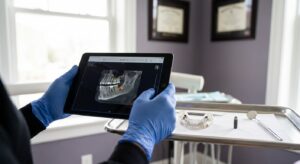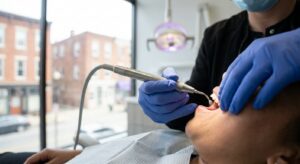

In the hours or days following your follow up emergency dental visit, you deserve clear guidance on comfort, hygiene, and pain relief. Proper follow-up care after an emergency dental procedure is essential to ensure the affected area heals properly and to prevent infections or other complications, thereby aiding the recovery process. [1]
Why your follow-up appointment matters
Your follow-up visit is more than a quick check-in. It lets your dentist assess how well the injury or procedure site is healing, adjust your treatment plan if needed, and catch any emerging complications early. You may feel better day to day, but without professional oversight you risk hidden issues such as infection or a failing restoration.
Every visit after an emergency intervention reinforces your long-term oral health. Whether you had a tooth knocked out, a severe abscess drained, or a cracked tooth temporarily stabilized, the dentist will confirm that tissues are regenerating correctly and that any stitches or dressings are ready to come out.
Paying attention to this stage prevents setbacks and supports a smooth recovery.
What happens during your follow-up
When you arrive for your follow-up emergency dental visit, the office team will first review any new symptoms you’ve experienced. Expect questions about pain levels, swelling, bleeding, or sensitivity to hot and cold. They’ll also inspect the site, looking for signs of infection such as redness, pus, or unusual tenderness.
If you have sutures in place, the dentist will decide whether to leave them in longer or remove them. Suture removal typically happens around 7 to 10 days after surgery, depending on the procedure and your healing rate; your dentist may refer you to a specialist or dental hygienist for this step. For detailed guidance on stitch care and removal, see suture removal dental follow up.
Your provider may also polish, clean, or adjust any temporary crowns or restorations placed during the emergency. In some cases, a final crown, bridge, or implant abutment will be scheduled, so be ready to set those appointments before you leave.
Managing pain and discomfort
Medication strategies
Pain management often starts with over-the-counter options such as ibuprofen or acetaminophen. Follow the dosage instructions carefully, and never combine two products that contain the same active ingredient. If your dentist prescribes stronger analgesics or antibiotics, take them exactly as directed to control pain and prevent infection. You can learn more about selecting and timing your doses in post procedure dental pain meds.
Cold compress and elevation
Applying a cold compress to the cheek over the treated area can significantly reduce swelling and numb discomfort. Use the pack for 15 to 20 minutes on, then give your face a break for the same interval. Keeping your head elevated—especially while sleeping—also slows fluid buildup. This simple method complements your medication plan and helps you rest easier.
Other soothing methods
Beyond pills and packs, you can explore gentle massage around the jawline (avoiding the procedural site), relaxation techniques, or a lukewarm saltwater rinse after the first 24 hours to keep irritation in check. If your emergency involved tooth extraction, look at pain management after extraction and healing care dental extraction for specialized tips.
Maintaining oral hygiene
Gentle brushing
Keeping your mouth clean promotes healing but requires a soft touch. Use a soft-bristled toothbrush and avoid direct scrubbing of the surgical or injured site. Gently sweep the bristles along your teeth and gums, moving in small, circular motions. This minimizes plaque buildup without disrupting delicate tissues.
Safe oral rinses
Starting 24 hours after your procedure, rinse with warm saltwater up to four times a day to flush away debris and bacteria. You can mix half a teaspoon of salt in eight ounces of water. If your dentist suggests a medicated mouthwash, follow their instructions exactly. These rinses support healing and reduce the risk of dry socket or persistent infection. For more on rinses and supportive techniques, see oral rinse & healing advice.
What to eat and avoid
Soft food options
In the days after your follow-up visit, favor soft, nourishing foods that require minimal chewing. Items like mashed potatoes, yogurt, scrambled eggs, applesauce, and well-cooked pasta provide calories and nutrients without stressing the treatment site. Cold or room-temperature options can also help soothe raw tissues.
Foods to skip
Avoid hard, crunchy, sticky, or spicy foods until your dentist gives the all-clear. Nuts, chips, popcorn, and chewy candies can damage sutures or temporary restorations. Acidic drinks and citrus fruits may irritate exposed nerves or soft tissues. Following a diet after emergency dental procedure helps you maintain comfort and protect your investment in recovery.
Rest and daily activities
Rest and sleep
Your body does most of its healing while you sleep. Aim for at least seven to eight hours of rest each night, and consider brief naps if you feel fatigued. Keep your head elevated to reduce swelling, and use extra pillows if needed.
Gradual activity
You don’t need to stay in bed, but avoid strenuous exercise, heavy lifting, or activities that jostle your head for at least 48 to 72 hours. Light walking is fine, but pay attention to any increase in bleeding or discomfort. Once you get the go-ahead at your follow-up, you can incrementally resume your normal routine.
Recognizing warning signs
Even with perfect care, complications can arise. Contact your dentist immediately if you notice any of the following:
- Severe or worsening pain that does not respond to prescribed medication
- Increased swelling after the first three days
- Persistent bleeding beyond 24 hours
- Signs of infection such as fever, pus discharge, or bad taste
- Loose or fallen temporary restorations
Prompt attention to these symptoms reduces the chance of more serious issues and ensures timely intervention.
Creating your recovery plan
Timeline overview
To keep track of your upcoming visits and care milestones, review this typical schedule:
| Procedure type | First follow-up | Subsequent visits |
|---|---|---|
| Simple extraction | 3–7 days | As directed for stitch removal |
| Root canal | 24–48 hours | 1 week, then 2 weeks |
| Temporary crown placement | 7–10 days | Final crown appointment |
| Chipped or cracked tooth repair | 5–7 days | Restoration check-in if needed |
| Abscess drainage or periodontal | 3–5 days | Deep cleaning or implant review |
Building a clear emergency dental recovery plan helps you manage each step confidently. Your dentist will personalize this timeline based on factors like your overall health, the complexity of the emergency, and any underlying conditions.
After specialized emergencies
If you required treatment beyond a routine fix, your aftercare might include tailored protocols:
- After root canal follow up for sensitivity checks and temporary filling replacement
- Follow up on chipped tooth repair with permanent bonding or veneer placement
- After emergency crown care to confirm fit, bite alignment, and final polishing
- Dental care after abscess treatment to ensure complete resolution of infection
- Aftercare for dental trauma, such as splint removal or orthodontic evaluations
For each path, your provider will recommend the ideal timing and procedures. You can also explore resources on emergency dental recovery clinic options if you face extended care needs.
Staying comfortable and protected after your follow up emergency dental visit is a team effort. By combining professional oversight with thoughtful self-care—managing pain, maintaining hygiene, choosing the right foods, and resting—you’ll give yourself the best chance at a smooth, complication-free recovery. Keep this guide handy, follow your dentist’s advice, and don’t hesitate to reach out with any concerns.