Understanding proper care after emergency crown care at home is essential for protecting your restoration and promoting healing. Whether you received a temporary crown after a fracture or a permanent crown in an emergency procedure, following the right steps can reduce discomfort, prevent complications, and help your crown last longer. In this guide, you’ll find clear, evidence-based advice on everything from immediate post-care actions to long-term maintenance.
Taking care of your dental crown at home involves more than avoiding hard foods—you’ll learn when to call your dentist, how to manage pain safely, and what signs suggest you need professional follow-up. Let’s dive into each stage of after emergency crown care so you can feel confident in your recovery process.
Understanding emergency crown care
Emergency crown care often involves placing a temporary restoration to protect a damaged tooth until a definitive crown can be fitted. In some cases, a permanent crown is placed immediately if the damage and surrounding tissue allow. Either way, the goal is to shield the tooth from bacteria, stabilize its structure, and restore chewing function.
After an emergency crown placement, the surrounding gums and tooth might be sensitive or inflamed. You may notice mild bleeding or soreness as the anesthetic wears off. These responses are normal, but they underscore the need for gentle handling and diligent hygiene to avoid infection and ensure proper bonding of the crown.
Immediate post-care steps
Right after your procedure, small precautions can make a big difference in preventing complications. Start by giving the cement time to set and your tissues time to recover.
Avoid heat and sticky foods
For the first few hours, steer clear of hot foods and drinks. Numbness can impair your ability to sense temperature, increasing the risk of burns [1]. Similarly, avoid sticky or chewy items that could tug on a newly seated temporary crown, and stick to soft, room-temperature foods.
Chew on the opposite side
If you received a temporary crown before your permanent one, chew on the other side of your mouth to protect the delicate restoration. Once your permanent crown is placed, continue favoring that opposite side for about 24 hours to allow the cement to fully harden [1]. For more detailed post-op guidance, review our emergency dental post op instructions.
Managing discomfort at home
Mild to moderate pain and swelling are common after emergency crown care. You can manage these symptoms effectively with safe, over-the-counter strategies before resorting to stronger medications.
Over-the-counter pain relief
Nonsteroidal anti-inflammatory drugs such as ibuprofen help reduce both pain and inflammation. Take the recommended dose every six to eight hours, unless otherwise directed by your dentist. You may also use topical dental gels to numb the gum line around the crown [1]. If you have any concerns about pain management, see our guide on dental pain relief after emergency.
Cold compresses
Applying a cold pack to your cheek for ten to fifteen minutes can further control swelling and soothe discomfort. Alternate 15-minute on/off intervals during the first 24 hours after your procedure and avoid direct ice-to-skin contact to prevent frostbite [2].
Promoting healing and hygiene
Keeping the crown and surrounding tissue clean is just as important as managing pain. Gentle, consistent practices will support gum health and crown longevity.
Gentle brushing
Use a soft-bristled toothbrush to clean all surfaces of your teeth, including the crowned tooth. Take extra care around the gum line to avoid dislodging the crown or irritating the healing tissue. Switch to a sensitive-formula toothpaste if your crowned tooth feels tender to avoid jolting pain.
Warm saltwater rinses
Rinsing with a mild saltwater solution (one teaspoon of salt in eight ounces of warm water) several times daily helps soothe inflamed gums and flush away debris without vigorous spitting or rinsing [2]. For more on oral washes and rinses, see our oral rinse & healing advice.
Diet and nutrition guidelines
What you eat in the days following emergency crown placement can accelerate or hinder your recovery. Focus on soft, nutritious options that place minimal stress on the crown and support tissue repair.
| Food category | Examples | Duration |
|---|---|---|
| Smooth and creamy | Yogurt, smoothies, pudding | First 1–2 days |
| Mashed and pureed | Mashed potatoes, applesauce | Days 2–4 |
| Soft proteins | Scrambled eggs, well-cooked fish | Days 3–5 |
| Soft grains | Oatmeal, well-cooked rice | Days 3–5 |
According to post-op instructions from AZ Family Dental, you can start with smoothies, yogurt, and scrambled eggs within one to four hours once the anesthetic subsides, then gradually reintroduce firmer foods over the next 24 to 36 hours [3]. For a comprehensive meal plan, visit our diet after emergency dental procedure.
Recognizing complications
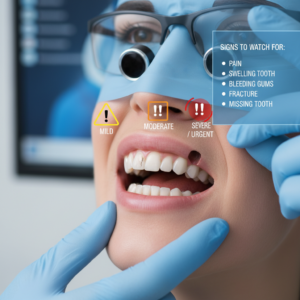
Even with the best home care, a few warning signs indicate you need prompt attention. Watch closely for:
- Excessive or prolonged bleeding around the crown
- Increasing swelling that does not improve after cold compresses
- Severe or throbbing pain that over-the-counter medications cannot control
- A loose or fallen-off crown
- Signs of infection, such as fever or bad taste near the crown
If you notice any of these symptoms, contact your dentist immediately to avoid worsening conditions [4].
When to seek help
Minor soreness and sensitivity often resolve on their own, but certain scenarios require professional follow-up. Schedule an emergency dental follow up appointment if you experience persistent discomfort beyond a week, intense pain when biting, or if the crown feels misaligned. Your dentist can re-cement a loose crown, adjust its height to correct your bite, or replace damaged restorations.
Even if you’re uncertain whether a symptom is serious, it’s better to err on the side of caution. Timely dental evaluation prevents small issues from becoming complex problems.
Maintaining long-term crown health
After the initial recovery phase, your goal shifts to preserving the crown and preventing future emergencies. Adopt these habits for lasting protection:
• Brush twice daily with a soft brush and fluoride toothpaste
• Floss gently around the crown, sliding the floss out rather than snapping upward
• Avoid hard, sticky, or chewy foods that can crack or dislodge the crown
• Attend regular check-ups and cleanings every six months—supplement with suture removal dental follow up if needed
• Address any bite discomfort or sensitivity promptly, as early adjustments extend crown life
Investing in consistent oral hygiene and routine dental visits not only protects your crown but also supports overall oral health. Explore our post procedure dental care and after root canal follow up pages for additional tips on preserving dental work.
By following these clear, step-by-step guidelines for after emergency crown care at home, you’ll reduce pain, guard against complications, and ensure your crown remains secure and functional. Remember that attentive at-home care and timely professional check-ins form the cornerstone of a successful recovery.