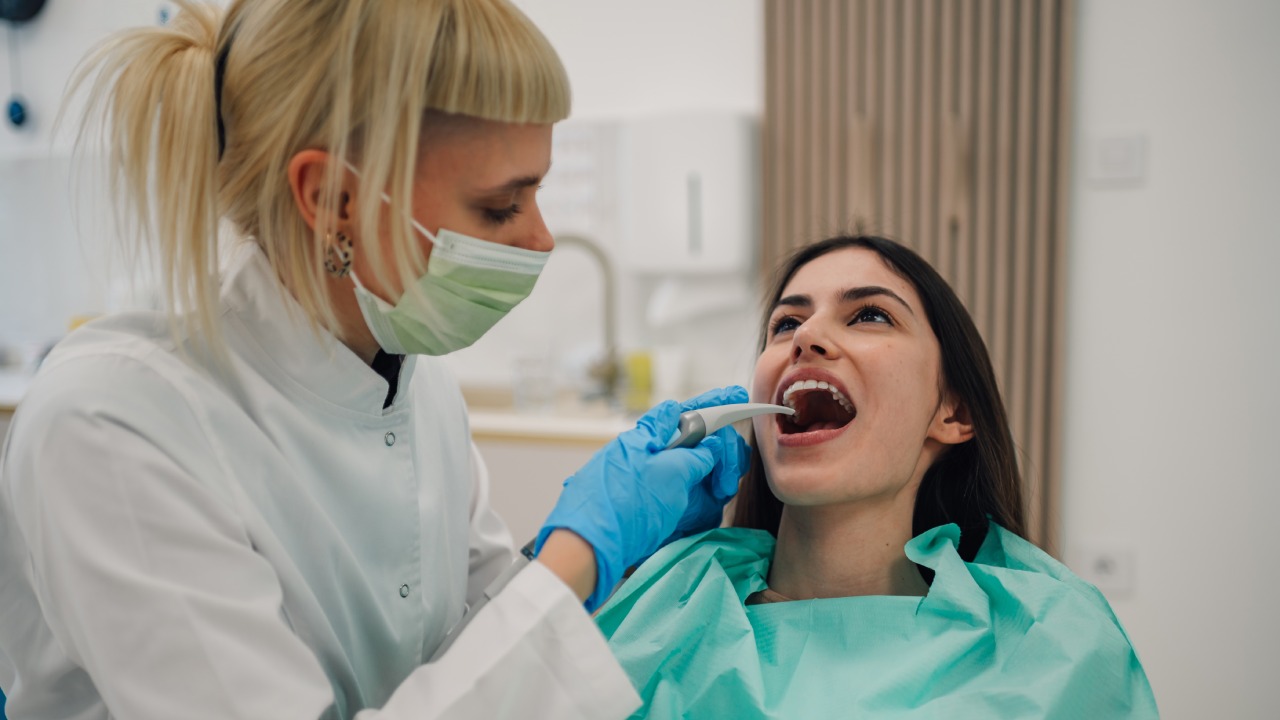
Once your root canal is complete, you naturally want to know what comes next. Your after root canal follow up plan centers on timely check-ins, effective pain relief, and careful at-home care. Following these guidelines will help you navigate each step, so you can return to normal eating, speaking, and smiling.
Every person heals differently, but there’s a typical pattern you can expect in the days and weeks after treatment. Mild tenderness around the treated tooth and jaw soreness from keeping your mouth open during the procedure are common [1]. You may feel numb for several hours, then notice sensitivity as the anesthesia wears off. Most of these symptoms peak early and settle quickly when you follow your dentist’s instructions.
Let’s walk through what you can expect, how to manage discomfort, and when to reach out for additional care.
Dental recovery timeline
Understanding your recovery timeline helps you set realistic expectations and avoid unnecessary worry. Early on, your main focus is comfort and preventing infection. As days pass, you’ll shift toward restoring normal function and protecting the treated tooth until it’s fully restored.
| Timeframe | What to expect | Recommended care |
|---|---|---|
| Day 1 | Lingering numbness, mild to moderate soreness | Apply ice packs intermittently, rest, take pain relievers as directed |
| Days 2–7 | Decreasing discomfort, slight swelling, tenderness | Rinse gently with warm salt water, stick to soft foods, continue meds |
| Weeks 2–4 | Minimal sensitivity, chewing comfort returns | Resume normal brushing and flossing, avoid hard or sticky foods until crown is placed |
This timeline reflects average healing stages but may vary based on infection severity, tooth location, and your overall health [2]. Keep a journal of your pain and swelling in case you need to discuss it during your follow-up.
Pain management strategies
Controlling pain effectively is key to a smooth recovery. Over-the-counter medications often handle mild to moderate soreness, and your dentist may prescribe stronger medications if needed. Always follow dosage instructions and never mix medications without professional guidance.
Here are practical tips to stay comfortable in the first week:
- Take ibuprofen or acetaminophen exactly as recommended, spacing doses to maintain steady relief.
- Use an ice pack on your cheek for 10–15 minutes at a time, with 10-minute breaks in between.
- Keep your head elevated when sleeping to reduce swelling.
- Avoid aspirin, which can increase bleeding.
- Stick to soft, cool foods to prevent pressure on the treated tooth [3].
If prescription pain meds are part of your post-procedure plan, remember they can cause drowsiness. Arrange for help getting home and avoid driving or operating machinery while under their effects [1]. For additional comfort guidance, explore our resource on pain management after extraction.
Caring for your treated tooth
Protecting the tooth you just had treated ensures long-term success. In the first hour, avoid chewing and do not smoke, as heat and suction can disrupt healing [1]. After that, practice gentle oral hygiene and steer clear of hard or sticky foods.
Start with these care steps:
Begin brushing your teeth the evening of your root canal, using a soft-bristled brush and light strokes around the treated area. Floss gently, sliding the floss out rather than snapping it between teeth. Rinse your mouth two to three times a day with a warm salt-water solution or a dentist-approved rinse [4]. This helps flush out debris without irritating the area.
Until your final crown is placed, avoid biting directly on the treated tooth. A temporary filling protects the internal seal, but it’s not as strong as a permanent restoration. You’ll return for two more visits—one to prepare the crown and another to place it—so plan ahead to protect that temporary seal [5].
Monitor warning signs
Most post-root canal symptoms are mild and short-lived, but being aware of red flags empowers you to act quickly if something goes off track.
Common post-treatment symptoms
It’s normal to feel:
• Mild soreness when you bite down
• Slight swelling around the gum line
• Tenderness that eases with pain relievers
These symptoms usually improve each day, with most people noticing a significant reduction by the end of the first week [2].
Symptoms requiring attention
If you experience any of the following, contact your dentist or schedule an emergency dental follow up appointment immediately:
- Throbbing pain or swelling that worsens after 48 hours [6]
- Pus or abscess formation near the treated area [7]
- Fever or a general feeling of illness [7]
- Numbness persisting beyond a day [8]
- Persistent pain lasting more than one week [5]
In about 5% of cases, a flare-up may occur due to lingering infection or inflammation [6]. Early intervention often prevents more extensive treatment later on.
Schedule follow-up visits
Your dentist will outline a follow-up schedule to confirm proper healing and complete your restoration. The typical plan includes:
- An initial visit within one to two weeks to check the seal, assess healing, and address any discomfort.
- A crown preparation appointment, if not done at the first follow-up.
- A final crown placement to fully restore strength and function [1].
Sticking to this timetable is crucial. Skipping or delaying follow-ups can increase the risk of reinfection, crown fracture, or tooth loss. If you need to reschedule, call your dental office promptly and reference your follow up emergency dental visit.
Maintain long-term oral health
Once the crown is in place and your post-root canal discomfort has subsided, shift your focus to long-term maintenance. A properly treated and restored tooth can last as long as a natural one, but it still needs routine care.
Continue these habits forever:
- Brush twice daily with a fluoride toothpaste.
- Floss daily, including around the crown margins.
- Visit your dentist for cleanings and exams every six months.
- Get annual X-rays to spot hidden issues early [9].
By combining thoughtful follow-ups, careful at-home care, and regular dental visits, you’ll turn your after root canal follow up into a confidence-boosting step toward lasting oral health.