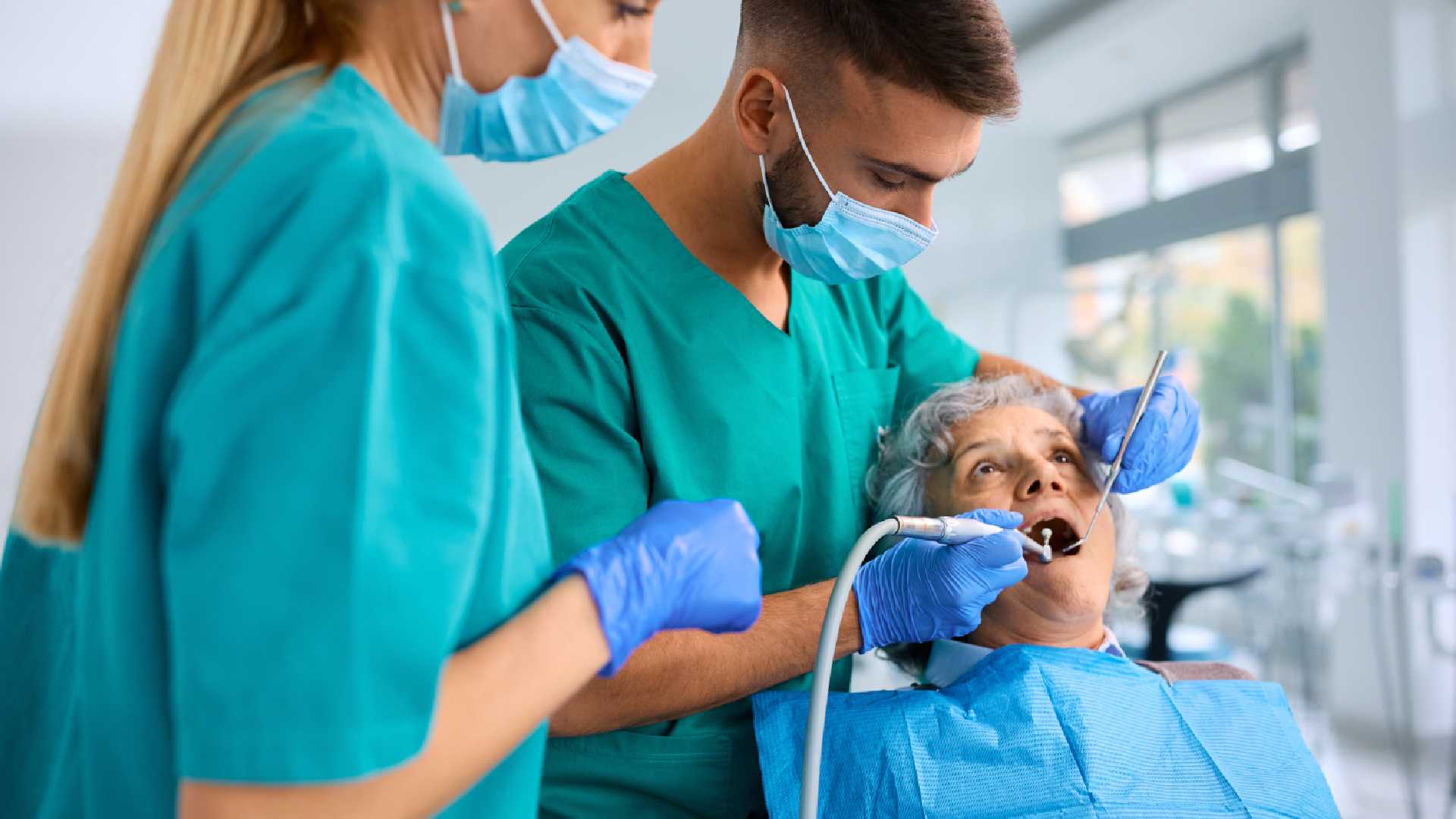
Facing sudden dental pain or trauma can feel overwhelming. When your tooth aches unexpectedly or you experience a broken tooth, knowing where to turn is crucial. An emergency dentist in Baltimore provides urgent dental care, walk-in services, and after-hours options so you can get immediate relief and protect your oral health. In this guide, you’ll learn how to recognize dental emergencies, explore your clinic choices, prepare for a visit, and prevent future crises.
Identify dental emergencies
Recognizing a dental emergency helps you act quickly and avoid further damage. Not every toothache requires immediate treatment, but certain symptoms demand prompt attention.
Symptoms requiring immediate care
- Uncontrollable bleeding from the mouth
- Severe, persistent toothache lasting more than 24 hours
- Swelling around the tooth, jaw, or face
- Knocked-out tooth or one that’s been pushed out of position
- Broken, chipped, or cracked tooth with sharp edges
- Signs of infection, such as fever or a foul taste
- Dental abscess (pus-filled bump on the gums)
- Difficulty breathing or swallowing due to oral swelling
Serious versus non-urgent issues
While discomfort from sensitivity or mild pain can often wait for a regular appointment, reach out immediately if you notice:
- Intense pain that wakes you at night
- Visible bone fragments in a broken tooth
- A tooth completely dislodged from its socket
For moderate pain or cosmetic chips, you might schedule an urgent dental appointment Baltimore rather than seek same-day care.
Explore urgent care clinics
When you need fast relief, Baltimore offers several specialized clinics equipped for dental emergencies. Below are three options that treat adults on a walk-in or appointment basis.
University of Maryland urgent care
The Urgent Care Dental Clinic at the University of Maryland School of Dentistry welcomes adults Monday through Friday on a first-come, first-served basis. Only your most urgent need will be addressed during each visit. Services are provided by predoctoral dental students under faculty supervision [1].
Key details:
- Fee: $198 (exam, X-ray, one simple extraction), effective July 1, 2025
- Insurance: PPO plans and Maryland Medical Assistance accepted, no HMO
- Location: 650 West Baltimore Street, Baltimore, MD 21201
- Hours: 8:00 am–4:30 pm, Monday–Friday
Wellwood Family Dentistry
Wellwood Family Dentistry in Pikesville emphasizes prompt appointments for emergencies like chipped teeth, wisdom tooth problems, and dental trauma. Their team uses advanced diagnostics and offers restorative solutions such as fillings, crowns, root canals, and extractions [2].
Highlights:
- Same-day appointments to reduce anxiety and discomfort
- Gentle care with state-of-the-art technology
- Services: bonding, implants, dentures, bridges
Baltimore Emergency Dental
Baltimore Emergency Dental focuses on no-wait, trauma-ready care. Dr. Jeff Rajaski and his team handle complex cases, providing same-day extractions, 3D X-rays, pain relief, and dental implants. They serve low-income and Medicaid patients with compassionate, judgment-free service [3].
Features:
- Immediate reception for walk-in emergencies
- Medicaid coverage varies, adult emergency services available
- Emphasis on quick pain management
Comparison of urgent care clinics
| Clinic | Walk-in policy | Fee structure | Insurance | Key services |
|---|---|---|---|---|
| University of Maryland School of Dentistry | First-come, first-served weekdays | $198 (exam, X-ray, 1 extraction) | PPO plans, Maryland Medical Assistance | Simple extractions, exams, X-rays |
| Wellwood Family Dentistry | Same-day appointments by call | Varies by treatment | Most PPO plans, Medicaid for kids up to 15 | Fillings, crowns, root canals, implants |
| Baltimore Emergency Dental | Immediate walk-in reception | Competitive private fees | Medicaid & PPO, sliding scale | Extractions, pain relief, 3D imaging, implants |
Use after-hours dentists
Dental emergencies don’t always happen during office hours. After-hours dentists ensure that you’re not left in pain overnight.
When to seek after-hours care
Consider after-hours services if you experience:
- Severe pain that over-the-counter medicines won’t relieve
- Uncontrolled bleeding from dental trauma
- Signs of spreading infection (fever, swelling)
Find after-hours options
Many practices list dedicated hotlines for urgent calls. Check out after hours dentist Baltimore for clinics that operate evenings and weekends. Having these numbers saved in your phone helps you react swiftly when minutes matter.
Visit walk-in emergency dentists
If you require immediate relief, a walk in emergency dentist can address your urgent need without a prior appointment.
First-come, first-served policies
Most walk-in clinics open early and fill slots quickly. Arrive 15–30 minutes before opening to secure your place in line. Some offer a limited number of same-day slots alongside scheduled visits.
What to bring to the clinic
- Photo ID and insurance card
- List of current medications, dosages, and allergies
- Payment method for fees not covered by insurance
- Any recent dental X-rays or treatment records
Bringing these items ensures faster check-in and treatment.
Understand costs and insurance
Managing unexpected dental bills can add stress to an already painful situation. Knowing fee structures and accepted plans helps you prepare financially.
Fee structures and payments
Clinic fees vary widely:
- Urgent Care Dental Clinic at UMSOD: $198 for exam, X-ray, one simple extraction, plus additional costs as needed
- Private practices: fees depend on procedures (root canal vs extraction vs implant)
- Emergency dental extraction often carries a higher fee than basic care—ask for an estimate before treatment
Many clinics require payment at the time of service. If cost is a concern, shortlist providers offering sliding scales or payment plans.
Insurance plans accepted
- PPO insurance plans are commonly accepted at both academic clinics and private offices
- Medicaid coverage for adults varies by state; most cover emergency extractions and pain relief, while some states expand benefits to fillings and root canals [3]
- HMO plans are less frequently accepted for same-day emergency visits
- Always confirm with the front desk: emergency dentist accepting insurance
Manage pain before treatment
Easing discomfort while you await professional care can help you stay calm and avoid complications.
Immediate pain relief steps
- Rinse gently with warm salt water to cleanse the area
- Apply a cold compress to the cheek to reduce swelling
- Use over-the-counter pain relievers like ibuprofen or acetaminophen
- Avoid placing aspirin directly on gums or teeth
When to avoid self-treatment
Never attempt to remove broken fragments yourself. Avoid applying heat to a swollen area, as it can worsen inflammation. If swelling accompanies fever, seek urgent care—an infection may be spreading.
Handle specific emergencies
Different dental issues call for tailored first-aid steps and professional interventions.
Broken or chipped tooth
- Rinse your mouth with warm water
- Collect tooth fragments and keep them moist in milk or saliva
- Cover sharp edges with dental wax or sugar-free gum
- Seek a broken tooth emergency dental provider for repair or bonding
For minor cracks without pain, you may schedule a chipped tooth repair urgent appointment.
Knocked-out tooth
- Handle the tooth by the crown, not the root
- Rinse gently with water, do not scrub
- Reinsert into the socket if possible, or store in milk/saline
- Seek treatment within 60 minutes for best chance of reattachment
Dental abscess
A dental abscess is an emergency if you notice:
- Persistent throbbing pain
- Swelling causing facial distortion
- Fever or difficulty swallowing
Call for dental abscess treatment urgent and visit an emergency clinic immediately.
Emergency root canal
When the pulp of your tooth becomes infected, a root canal may be the only way to save it. Symptoms include:
- Severe pain that intensifies when you lie down
- Prolonged sensitivity to hot or cold
- Tenderness and swelling
Look for providers offering emergency root canal Baltimore services to preserve your tooth.
Wisdom tooth removal
Impacted or infected wisdom teeth can trigger sharp pain and swelling. Signs include:
- Pain at the back of the jaw
- Red or bleeding gums
- Difficulty opening your mouth
An emergency wisdom tooth removal appointment can relieve pressure and prevent infection.
Prepare for your appointment
Arriving ready speeds up your visit and lets the dental team focus on treatment.
Gather essential documents
- Government-issued photo ID
- Insurance card and policy details
- List of current medications and dosages
- Contact information for your primary care physician
Communicate medical history
Inform the team about:
- Allergies to medications or latex
- Chronic conditions like diabetes or heart issues
- Any recent surgeries or blood thinners
This information guides safe and effective dental care.
Prevent future emergencies
Reducing your risk of dental crises preserves both health and wallet.
Oral hygiene best practices
- Brush twice daily with fluoride toothpaste
- Floss at least once a day
- Use an antiseptic mouthwash to reduce bacteria
- Replace your toothbrush every 3–4 months
Protective gear and habits
- Wear a mouthguard when playing sports
- Avoid using teeth to open packages or bottles
- Limit hard or sticky foods that can fracture teeth
Regular dental check-ups
Visiting your dentist every six months helps catch small issues before they become emergencies. Routine cleanings and X-rays detect decay, cracks, and gum disease early, preventing pain and costly urgent care.
By understanding how to identify dental emergencies, exploring your clinic options, managing pain, and preparing for visits, you’re taking control of your oral health. Keep key numbers saved—whether it’s a dental emergency clinic hotline or your preferred walk-in office—and don’t hesitate to seek care when minutes count. Your teeth and comfort depend on swift, knowledgeable action.