
When severe pain strikes, finding immediate help for an emergency root canal Baltimore residents trust is critical to preserving your smile and preventing further complications. Whether you’re grappling with a persistent throbbing in one tooth or sudden swelling around the gum line, recognizing the need for urgent care can save you discomfort, time, and the health of your natural teeth. This guide walks you through the symptoms, treatment options, urgent care locations, procedure details, and recovery strategies so you can act quickly and confidently when you need relief most.
Recognize emergency symptoms
Dental emergencies can escalate rapidly if left unattended. Start by identifying the warning signs that point to the need for an immediate root canal rather than routine dental care.
- Persistent throbbing tooth pain that keeps you awake at night
- Heightened sensitivity to hot or cold foods and drinks
- Visible darkening or discoloration of a tooth
- Swelling or a tender bump on the gum near the affected tooth
- Cracks, chips, or fractures that expose the inner tooth
- Difficulty biting or chewing without sharp pain
Severe tooth pain
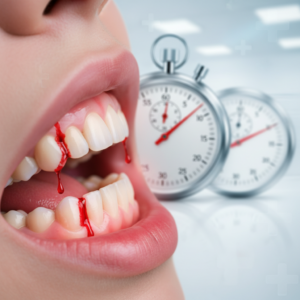
When you experience intense, unrelenting pain concentrated in one area, it often signals that the tooth’s pulp—its living tissue—has become infected or inflamed. Extreme tooth pain that persists for more than a few hours, even after over-the-counter pain relievers, often qualifies as an emergency root canal situation [1]. If a throbbing ache interrupts your daily life, contact a toothache emergency dentist or head to your nearest urgent care clinic.
Tooth discoloration and sensitivity
A sudden change in color—from yellow to gray or brown—can indicate damage to the inner structure of the tooth. You may also notice sharp discomfort when consuming hot or cold items. These symptoms suggest that nerve tissue is exposed or dying, and prompt action is essential to prevent further decay.
Abscess and swelling
An abscess appears as a pocket of pus caused by a bacterial infection. You might see a pimple-like bump on your gum or feel swelling in your face and jaw. Untreated abscesses can spread infection to surrounding tissues or even into the bloodstream, increasing the risk of serious systemic issues [2].
Trauma and tooth damage
If your tooth has been chipped, cracked, or completely knocked out due to an accident, immediate dental attention can make the difference between saving and losing the tooth. Rinse a knocked-out tooth gently with water, avoid touching the root, and seek treatment from a broken tooth emergency dental provider right away to improve the chances of reattachment.
Assess your treatment options
Once you’ve confirmed the need for urgent care, it helps to understand why a root canal may be the best approach and what other options exist.
Emergency root canal basics
A root canal, also known as endodontic therapy, removes diseased pulp from inside the tooth, cleans and disinfects the canals, then fills and seals the space to prevent reinfection. This procedure preserves your natural tooth, alleviates pain, and restores full chewing function. Key steps include:
- Consultation and imaging to assess the extent of infection
- Application of local anesthesia to ensure comfort
- Removal of infected or inflamed pulp
- Cleaning and shaping of the root canal system
- Filling canals with a biocompatible material
- Sealing the tooth and planning for a permanent crown
Thanks to modern techniques and local anesthesia, you should feel no pain during the procedure [3]. Many patients compare the comfort level to that of a routine filling.
Risks of delaying care
Postponing a recommended root canal can lead to:
- Abscess formation and severe swelling
- Spread of infection to adjacent teeth and bone
- Tooth loss requiring extraction
- Increased treatment complexity and cost
- Potential systemic health complications, such as fever or sepsis [4]
Prompt treatment not only spares you avoidable pain but also safeguards your overall health.
Find urgent care locations
When every minute counts, you need a reliable list of local options that deliver fast, expert care. Use the following directory to locate a dental emergency clinic or specialized endodontist near you.
| Clinic | Services | Hours | Details |
|---|---|---|---|
| University of Maryland urgent care clinic | Exam, X-ray, simple extraction, urgent care | Mon–Fri, walk-in, limited slots | Fee of $198 covers exam, X-ray, one extraction; participates in PPO plans [5] |
| Sterling Endodontics (Glen Burnie, Rosedale, Timonium) | Emergency root canal, trauma care | Varies by location, call ahead | Expert endodontists, call for availability [6] |
| Canton Dental Associates (Baltimore, MD) | Root canal therapy, sedation, aftercare | Mon–Fri | Cutting-edge imaging, patient comfort focus [7] |
After-hours and walk-in services
- 24/7 walk-in care at select clinics
- Evening and weekend slots with an after hours dentist Baltimore
- Same-day appointments for same day dental emergency
- Immediate support through emergency dental services open now
- On-call teams for urgent dental care Baltimore
Insurance and payment plans
You can expect to pay between $700 and $1,800 per tooth for an emergency root canal without insurance coverage [1]. Here’s how to navigate costs:
- Confirm whether your plan is accepted—many urgent care services participate in PPO but not HMO networks
- Ask about fees for imaging and specialist consultations
- Inquire about out-of-pocket estimates for crowns and follow-up visits
- Search for an emergency dentist accepting insurance if cost is a concern
- Explore financing options or payment plans for unexpected bills
Prepare for the procedure
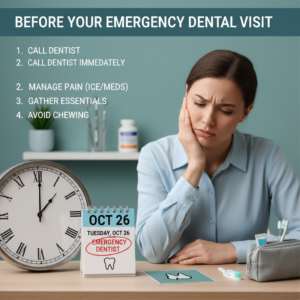
Arriving informed and relaxed helps the entire process go smoothly. Follow these tips to get ready for your root canal.
What to expect during treatment
- Brief consultation to review your medical history and confirm diagnosis
- Digital X-rays or 3D imaging to map the canal structure
- Application of topical anesthetic followed by local anesthesia
- Isolation of the tooth with a rubber dam to maintain a sterile field
- Removal of the infected pulp and thorough cleaning of the canals
- Placement of a temporary filling or sealant
- Discussion of your permanent restoration plan, typically a dental crown
Technology and anesthesia
Advancements in endodontic tools—such as rotary instruments and cone-beam CT scans—enhance precision and reduce procedure time. Local anesthesia ensures you remain comfortable, and sedation options may be available if you experience dental anxiety.
Manage your recovery phase
Your diligence in following post-procedure instructions plays a crucial role in a smooth recovery and long-term success.
Post-procedure care tips
- Take prescribed or over-the-counter pain medication as directed; discomfort usually peaks 17–24 hours after treatment and subsides thereafter [8]
- Apply a cold compress to the cheek in 15-minute intervals to reduce swelling
- Avoid vigorous rinsing or spitting for the first 24 hours
- Attend all follow-up visits to monitor healing and complete your permanent restoration
Diet and oral hygiene
- Stick to soft, nutritious foods such as smoothies, mashed potatoes, oatmeal, and steamed vegetables
- Avoid hard, crunchy, or sticky items that could dislodge a temporary filling
- Brush gently around the treated tooth, using soft strokes
- Rinse your mouth with warm salt water (½ teaspoon of salt in 8 ounces of water) several times a day to keep the area clean
When to call your dentist
Reach out if you notice any of the following:
- Persistent or worsening pain after 48 hours
- Increasing swelling or redness around the site
- Fever or general malaise
- Signs of reinfection, such as drainage or a return of severe discomfort
If you need to adjust your care plan or schedule an urgent dental appointment Baltimore, do so without delay.
You don’t have to face dental emergencies alone. With a clear understanding of symptoms, treatment pathways, urgent care options, and recovery protocols, you can secure prompt, professional relief. For compassionate, expert help with an emergency root canal in Baltimore, contact your nearest provider or visit an emergency dentist Baltimore today. Your smile and well-being are worth the swift action.