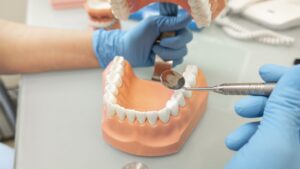

Understanding emergency root canals
Emergency root canal treatment can be the key to halting severe tooth pain and preserving your natural smile. When infection or trauma invades the inner pulp of your tooth, prompt endodontic care is essential to stop the spread of bacteria and relieve your discomfort. By seeking urgent endodontic care, you safeguard surrounding tissues and reduce the risk of extraction.
In this article, you’ll learn how to recognize the warning signs that qualify as a dental emergency, what to expect during the procedure, how to manage pain effectively, and how to choose the right provider for your needs. We’ll also cover costs, insurance considerations, and preventive strategies to keep your teeth healthy long term.
Recognizing urgent symptoms
Severe toothaches
Persistent, throbbing pain that intensifies when you chew or apply pressure is one of the clearest indicators that you may need emergency root canal treatment. You might notice:
- Sharp, unrelenting pain that disrupts sleep or daily tasks
- Sensitivity to hot or cold foods even after removing the stimulus [1]
- Discomfort when biting down, suggesting inflamed pulp under pressure
Signs of infection
An abscessed tooth or spreading infection demands immediate attention to prevent systemic complications:
- Swollen gums or jaw area, possibly with pus discharge
- Facial swelling that makes it difficult to open your mouth
- Fever or general malaise, indicating bacteria may be entering your bloodstream [2]
If you experience these symptoms, visit an infected tooth emergency dental provider or seek emergency pulp infection treatment right away.
Traumatic injuries
Any accident—such as a fall, sports impact, or car collision—that leaves your tooth cracked, chipped, or knocked out can expose the pulp chamber to bacteria:
- Visible fractures or chips in the enamel
- Loose or dislodged teeth requiring stabilization
- Bleeding around the tooth base
Traumatic injuries often call for same-day intervention. Explore options like same day root canal service or visit a root canal emergency clinic.
Preparing for your procedure
Initial consultation and diagnosis
When you arrive for emergency treatment, your dentist or endodontist will:
- Take a detailed history of your symptoms.
- Perform a clinical exam, checking for swelling, discoloration, and signs of infection.
- Order a digital X-ray to pinpoint decay, abscesses, or hidden fractures [3].
This assessment guides your treatment plan, ensuring all affected areas are addressed.
Steps during root canal therapy
A standard emergency root canal procedure involves four main stages:
Anesthesia and pulp removal
- Your dentist administers local anesthesia to numb the area completely.
- A rubber dam isolates the tooth, keeping it dry and free of saliva.
- The inflamed or infected pulp is removed using specialized instruments.
Cleaning and disinfecting canals
- The empty canal space is irrigated with an antibacterial solution.
- Files of increasing diameter shape the canal to remove debris thoroughly.
- Digital X-rays verify that all canals have been located and cleaned.
Filling and sealing
- Once sanitized, the canal is filled with gutta-percha, a biocompatible material, to prevent reinfection.
- A temporary filling seals the access cavity.
Restoration with a crown
- In most cases, you’ll return for a permanent crown placement to protect the treated tooth from fractures and restore chewing function.
- Crowns can be made from porcelain, metal, or zirconia, chosen based on aesthetics and durability.
Most root canal sessions last 60–90 minutes. In complex cases involving multiple canals or severe infection, you may need two visits.
Navigating pain relief options
During treatment
Contrary to common belief, an emergency root canal is not more painful than a deep filling. Thanks to modern anesthetics, you should feel minimal discomfort. If anxiety is a concern, ask about:
- Nitrous oxide (laughing gas)
- Oral sedation
- Intravenous (IV) sedation for deeper relaxation
After treatment
It’s normal to experience mild soreness or tenderness for 48–72 hours. To manage post-procedure pain:
- Take over-the-counter ibuprofen or acetaminophen as directed.
- Apply a cold compress to the cheek for 15-minute intervals.
- Stick to a soft diet and avoid chewing on the treated tooth [4].
If discomfort persists beyond three days, contact your dentist for follow-up evaluation.
Evaluating treatment costs
Typical cost ranges
Without insurance, you can expect to pay between $700 and $1,800 per tooth for emergency root canal treatment in the United States. Costs vary based on:
- Tooth location (front teeth are less expensive than molars)
- Severity and complexity of the infection
- Geographic region and provider expertise
| Tooth type | Cost range (no insurance) |
|---|---|
| Incisors | $700 – $1,000 |
| Premolars | $800 – $1,200 |
| Molars | $1,000 – $1,800 |
(Source: Tidelands Dental)
Insurance coverage and financial aid
Many dental plans cover 30–50% of endodontic procedures, leaving you responsible for 10–20% of the total cost after co-pays. Check your benefits for:
- Annual maximums
- Waiting periods for major procedures
- Coverage limits on crowns and restorations
If you’re uninsured, consider:
- In-office payment plans
- Community clinics offering sliding-scale fees
- State or national charities and Medicaid programs [5]
For a detailed breakdown, visit our guide on emergency root canal cost.
Preventing future complications
Common complications
While root canals have a high success rate, you should be aware of potential issues:
- Reinfection, due to missed canals or compromised seals
- Tooth fractures, if a crown isn’t placed promptly
- Post-operative pain, from inflammation or residual infection
Strategies to avoid issues
To maximize longevity and reduce risks:
- Attend all follow-up appointments for restoration and monitoring.
- Maintain excellent oral hygiene with twice-daily brushing and daily flossing.
- Avoid chewing ice, hard candies, or non-food items on treated teeth.
- Wear a mouthguard during sports to prevent trauma.
Advanced tools like digital X-rays and operating microscopes help your dentist locate hidden canals and ensure complete cleaning [3].
Choosing your care provider
What to look for
When you need emergency care, time is of the essence. Select a provider who offers:
- 24/7 availability or after-hours support
- In-house imaging and lab services
- Endodontists certified by the American Association of Endodontists
- Clear communication about treatment steps and costs
Emergency dental services
Depending on your needs, you may consider:
- Root canal emergency clinic for specialized endodontic care
- Emergency endodontic services that handle severe infections
- Urgent extraction with sedation if a tooth cannot be saved
- Emergency oral surgery Baltimore if you’re in the area
Confirm that your provider accepts your insurance and offers flexible payment options.
Answering common questions
Is a root canal painful?
Modern techniques and anesthesia make emergency root canal treatment comparable to getting a filling. You may feel pressure but little-to-no pain during the procedure [4].
How soon should I act?
Don’t delay. Severe infections can spread to adjacent teeth and even enter your bloodstream, leading to systemic issues. Seek care as soon as you notice persistent pain, swelling, or signs of pus.
Will insurance cover it?
Most dental plans include endodontic procedures under major services. Coverage typically ranges from 30–50%. Review your policy’s annual maximums and co-pay requirements before booking.
Can I wait to see my regular dentist?
If your dentist can’t see you within 24 hours, visit an urgent endodontic care provider or an emergency clinic. Delaying treatment can turn a salvageable tooth into one that requires extraction.
By understanding the signs of dental emergencies, knowing what to expect during treatment, and planning for costs and aftercare, you can take control of your oral health and return to comfort quickly. If you suspect you need emergency root canal treatment, don’t wait—reach out to a qualified provider today.