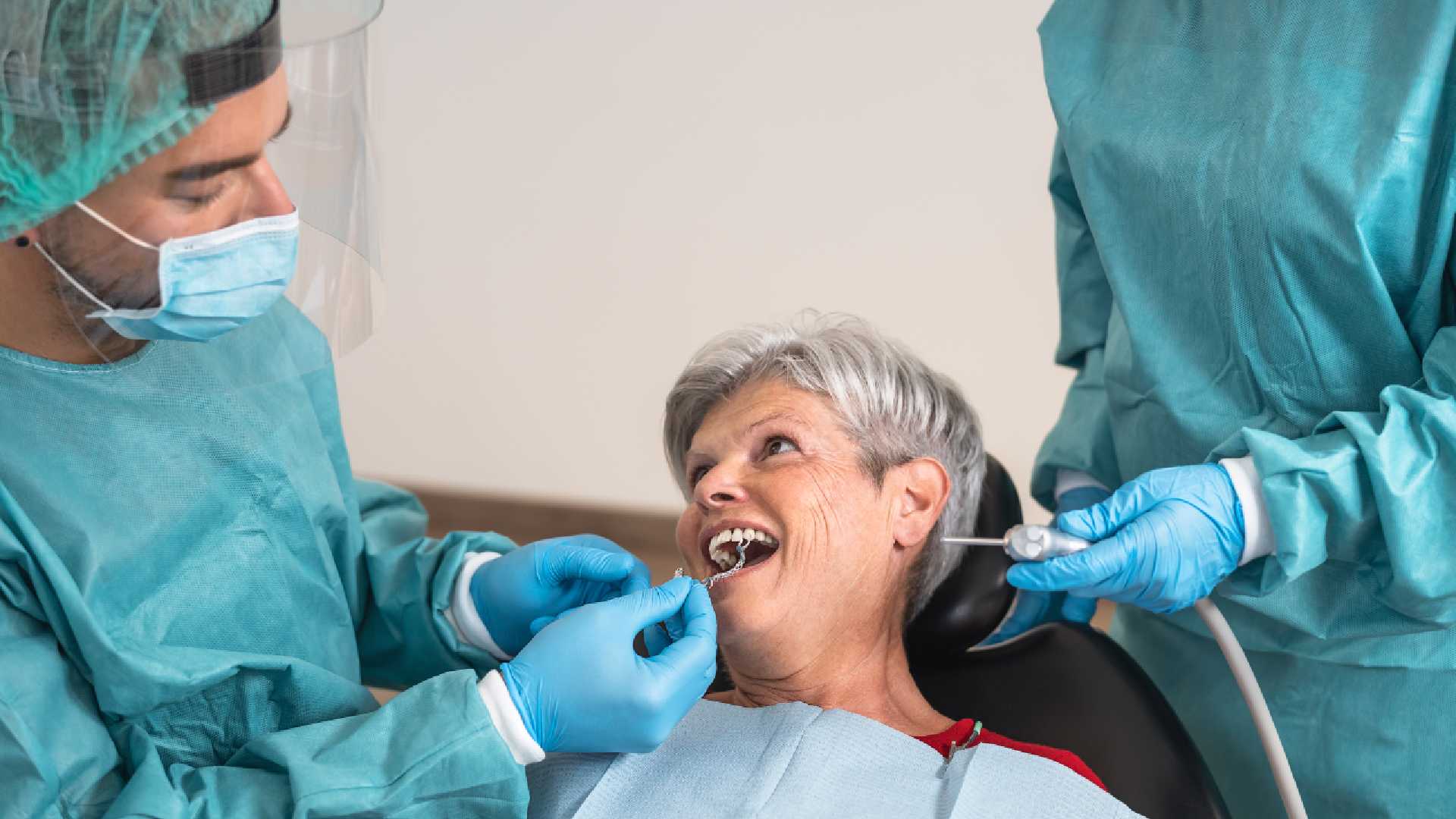
Understand Medicaid implant coverage
If you have been thinking about replacing a missing or severely damaged tooth, you may have wondered whether “medicaid coverage dental implants” could help reduce your costs. Having reliable health coverage can be essential when you need urgent dental care. Dental implants often restore function and appearance, but they can also be expensive to place and maintain. As you embark on your search for the best treatment options, it is helpful to know exactly how Medicaid might assist you with relevant coverage, especially when cost is a primary consideration.
Medicaid is designed to provide healthcare assistance to individuals and families who fall within qualifying income brackets or meet specific eligibility criteria. Dental services for adults through Medicaid can vary considerably from state to state, and the same is true for dental procedures like implants. One state might offer more comprehensive support, particularly if the procedure is deemed medically necessary, while another offers only limited or emergency-related coverage. Understanding these differences can help you evaluate whether Medicaid coverage for dental implants is right for you or a loved one.
In many regions, Medicaid focuses on providing essential and emergency dental care, such as tooth extractions for severe infections or injuries. Some states, however, are expanding their Medicaid programs to offer more comprehensive adult dental benefits. Because each state’s Medicaid program has a distinct set of guidelines, you should research which benefits apply in your area. Confirming the specific coverage details is an important step before committing to a dental implant course of action, so you can ensure your out-of-pocket costs remain reasonable.
Why coverage for implants varies
Dental implants are often more expensive than simpler procedures like fillings and routine extractions. Costs for a single implant can range from $3,000 to $7,000, including the implant post, abutment, and crown, though the final price may increase if you need additional treatments (such as bone grafting) or multiple implants (GoodRx). When Medicaid allocates dental funds, it frequently prioritizes urgent and medically necessary treatments, rather than elective or cosmetic procedures.
That said, there are certain scenarios in which Medicaid may cover part of your implant expenses. If the procedure is inextricably linked to another treatment—such as preventing severe oral infections or preparing for a critical medical procedure—Medicaid coverage may be broader. Nonetheless, states have broad discretion in deciding which specific dental services qualify as medically necessary.
Balancing affordability and urgent care
If you need immediate attention for a dental emergency or you are managing persistent tooth pain, you might also consider exploring clinics that handle urgent procedures, like extractions or pain-relief restorations, while you figure out your long-term implant plan. Places such as Baltimore Emergency Dental are designed to address urgent issues promptly so you do not have to wait for relief. If you are interested in beneficial options for restoring lost or damaged teeth with minimal delay, you can also look into medicaid same day dental care, where suitable treatments can be administered immediately.
Explore adult coverage guidelines
Medicaid coverage for adult dental treatment is optional at the federal level, which means each state has the authority to decide how extensive those benefits are. While children and young adults under age 21 receive mandatory, comprehensive dental coverage under Medicaid, adult coverage can fall into the following categories:
- Extensive/comprehensive coverage: Some states cover a broad array of dental services, including diagnostic, preventive, and restorative care, with an annual benefit cap that can be fairly high (up to $1,000 or more). This can sometimes include implants.
- Limited coverage: A smaller number of procedures are available, such as routine exams, cleanings, simple restorations, and possibly extractions. This does not always extend to costly restorative treatments like implants.
- Emergency-only coverage: These states may cover dental interventions only in urgent or life-threatening situations—such as severe infections, trauma, or extreme pain. Elective procedures like implants are rarely included.
Since coverage is not uniform across the United States, clarifying your state’s Medicaid adult dental policy is crucial. By speaking with a Medicaid representative or checking official local resources, you can verify whether implants are considered a covered treatment in your area. Keep in mind that if your state does not normally fund implants, you may still be able to receive partial reimbursement if a dentist provides documentation that the procedure is medically necessary to alleviate more severe health concerns or to facilitate another essential therapy (CMS.gov).
Alternately, you might discover that your state’s plan covers specific aspects of an implant procedure rather than the entire treatment. Some states might pay for extractions or sedation but leave the implant itself out of the coverage. Understanding exactly what you are entitled to is the first step in formulating a plan for getting the care you need without incurring surprise expenses.
Factor in total costs
Before committing to implant surgery, it is valuable to understand the projected costs, bearing in mind that a single implant alone can run from $3,000 to $7,000. Despite these seemingly high numbers, implants often last for many years, with a 10-year success rate estimated around 97%, and, with consistent oral hygiene, they may last even longer (GoodRx).
Out-of-pocket scenarios
If your Medicaid plan covers 50% of the implant cost, you might still be responsible for paying $1,000 to $2,000, depending on the nature of your procedure. This range typically incorporates the cost of the implant post, abutment, and crown, but you might also face additional fees for specialized scans (like 3D X-rays), sedation, or follow-up care.
The implant procedure generally includes:
- Consultation and medical imaging.
- Implant placement (placing the titanium post into the jawbone).
- Abutment placement (the connector between implant and crown).
- Crown fitting (the final, visible tooth replacement).
These steps often involve multiple office visits, especially if you experience complications such as infections or bone graft needs. Each part of the implant treatment plan could affect your total expense—sometimes even pushing it beyond the initial estimate. If you or your dentist determines that the standard approach is too expensive, you can consult no out of pocket medicaid dental options or other alternative payment methods.
Balancing urgency and costs
It is helpful to weigh how quickly you need your implant. If you are dealing with persistent pain or an infection, you might need an immediate extraction or a short-term fix, even if the implant is ultimately your goal. Clinics that focus on urgent pain relief and same-day procedures, like Baltimore Emergency Dental, can help you manage acute problems. As you stabilize your oral health, you can craft a long-term plan that fits your financial and medical realities, potentially utilizing transparent medicaid dental pricing to anticipate costs ahead of time.
Check pre-authorization procedures
In many cases, Medicaid requires a pre-authorization process for implants or other complex dental treatments. This means your dental office must submit a treatment plan alongside supportive documentation (X-rays, or notes indicating a medical need) to the Medicaid program before performing the procedure (Investopedia). Pre-authorization serves the following purposes:
- Clarifies your specific coverage and out-of-pocket responsibilities.
- Ensures that any potential complications or special requirements are identified in advance.
- Confirms that your provider meets all required Medicaid enrollment criteria.
Once the pre-authorization request is approved, you will have a clearer idea of how much you will pay. You can also prepare to cover any uncovered expenses. This transparency not only helps you plan financially but also streamlines the process in case your dentist recommends urgent measures for severe dental pain or infection.
Medical necessity considerations
The key to securing Medicaid coverage often hinges on establishing medical necessity. If you only want an implant for cosmetic reasons, it might be difficult to get coverage. However, if an implant is recommended because a tooth extraction would otherwise cause significant health or structural issues—or if a severe infection requires removal of a damaged root—Medicaid may be more likely to provide coverage. Coordinating closely with your dental professional, especially one who practices within a medicaid judgment free clinic setting, can help you navigate the paperwork and document the medical necessity effectively.
Select the right provider
Choosing the right dentist or clinic is critical, especially if you plan to rely on Medicaid to help fund your dental implant. Work with providers who are recognized as Medicaid-approved, ensuring they meet the necessary guidelines to bill for covered dental services. They should also demonstrate empathy and understanding when it comes to serving people who have unique challenges or urgent needs.
Credentials to look for
Confirm your prospective provider is sustained by a team of board-certified dentists. For instance, a medicaid board certified dentist has gone through intensive peer evaluations to guarantee professional expertise. In an emergency scenario where you need a quick extraction or sedation, you can then trust the clinic’s staff to address your concerns professionally and safely. Consider asking about:
- Official Medicaid enrollment
- Experience with implant procedures and related surgeries
- Access to sedation options, such as a medicaid sedation dental emergency plan
- Follow-up care availability to manage healing and final adjustments
Baltimore Emergency Dental’s approach
At Baltimore Emergency Dental, clinicians understand that you want a straightforward, compassionate approach to dental care, even in urgent scenarios. The clinic has experience working with individuals who rely on Medicaid, striving to make the coverage process as transparent as possible. In addition to immediate pain-relief treatments, the team can help coordinate more long-term procedures, such as implants. By focusing on individualized plans and a supportive environment, they aim to provide the care necessary for your lasting recovery and oral health. They recognize the mightiest obstacles patients face—from fear of judgment to concerns about cost—and create tailored solutions so you can focus on healing.
Use additional cost-saving options
Even if Medicaid does not cover the entire implant procedure, or covers only certain segments, you may have other resources to help manage costs:
- Payment plans or financing: Some clinics will allow you to divide the total cost into manageable monthly installments. This may be especially helpful if your portion of coverage is still significant.
- Dental savings plans: Instead of traditional insurance, these membership-style plans offer discounted rates for dental services through a network of providers. According to Investopedia, this option might be a good fit if you know you will need multiple procedures and have minimal coverage.
- Charitable organizations: Nonprofit organizations and dental schools occasionally offer free or heavily discounted services for patients who cannot otherwise afford dental care. Doing a bit of local research may uncover resources.
- Health Savings Accounts (HSAs) or Flexible Spending Accounts (FSAs): If you have access to an HSA or FSA, these accounts can be used to pay for medical or dental procedures with pre-tax dollars, effectively reducing your overall out-of-pocket costs.
Taking a comprehensive view
While cost-saving measures are often necessary, it is also critical to get immediate help if your tooth issue is causing frequent pain or infection. In times when you do not have the luxury of waiting, a medicaid urgent dental care provider can direct you to the next steps. Once you have stabilized your oral health, you can continue exploring these additional resources to ensure an implant aligns with both your medical and financial needs.
Why choose Baltimore Emergency Dental
If you or a loved one requires prompt, capable dental support, Baltimore Emergency Dental stands out as a trusted option. Delivering same-day extractions, pain-relief restorations, and supportive solutions for Medicaid patients, the clinic addresses a wide range of pressing oral health concerns. The following core features define the Baltimore Emergency Dental experience:
- Unique challenges recognized: Whether you are struggling with financial constraints, severe pain, or anxiety, the staff takes a supportive and empathetic approach, ensuring you feel understood and respected.
- Comprehensive care: From urgent interventions like medicaid emergency tooth extraction to potential long-term restorations, the clinic aims to provide the services necessary for lasting recovery.
- Tailored coverage strategies: Each person’s situation is different—including insurance plans, overall health, and personal preferences. The team collaborates with you to find cost-effective options and to confirm your eligibility.
- Individualized plans: Dental needs vary significantly from one person to another, so you can expect solutions (including sedation, implants, or routine checkups) adjusted to your comfort level and circumstances.
- Committed, skilled staff: Working with a medicaid approved emergency dentist can remove confusion around coverage details. Baltimore Emergency Dental staff members are accustomed to helping patients navigate insurance requirements quickly and efficiently.
Deciding on a facility that understands both the urgent nature of dental problems and the complexities of Medicaid coverage can spare you from stress and unnecessary delays. By focusing on immediate relief and building a customized strategy for long-term health, Baltimore Emergency Dental supports a balanced path to stable oral wellness.
Review frequently asked questions
Below are answers to some of the most common questions about Medicaid dental coverage and implant procedures. These insights may help you decide how to proceed with your own or a loved one’s oral care.
-
Does Medicaid typically cover dental implants?
Coverage for dental implants varies significantly by state. Some states provide coverage if there is a clear medical need, such as preventing severe infection, preparing for major surgery, or treating a dire gum or bone issue. However, other states only fund emergency or limited dental services, which might not include implants. -
How can I find out if my state covers implants?
Check your specific Medicaid guidelines by visiting the official state website or contacting a Medicaid representative. You can also consult local dental providers or clinics that accept Medicaid. They often have firsthand knowledge of what treatments can be covered. -
Is pre-authorization always required for implants?
In most cases, yes. Dentists often need to submit treatment plans, medical documentation, and X-rays for approval before placing an implant if Medicaid will be billed. This step ensures that the procedure is deemed necessary and verifies which costs may be covered. -
What do I do if Medicaid covers only half of my implant?
If your plan pays for 50% of the implant cost, you may still face expenses ranging from $1,000 to $2,000. Before proceeding, ask your dentist about potential payment plans or financing. You could also explore alternative options, such as a dental savings plan or an FSA/HSA, to reduce the total out-of-pocket burden. -
What if I need urgent pain relief first?
If infection or discomfort is severe, addressing it quickly is crucial. Seek help from a clinic offering medicaid patient friendly dentist services or immediate interventions, like medicaid dental infection treatment. Once the immediate crisis is resolved, you can determine whether implants or other restorative solutions are the best long-term option.
Make an informed decision
While implants are regarded as an effective and long-lasting solution for missing or severely damaged teeth, they do come with cost considerations. Medicaid can play a significant role, particularly if you happen to live in a state that includes implants within its Medicaid adult dental benefits or if your condition is medically urgent. However, Medicaid coverage for dental implants is far from uniform. Being prepared and proactive is your best strategy.
When you take the time to review your eligibility, research your state’s specific guidelines, and talk to participating dental professionals, you position yourself for better, more affordable care. Even if your Medicaid plan’s implant coverage is limited, you can take advantage of payment plans, savings accounts, or nonprofit dental services to fill in the gaps. Your goal should be to restore your oral health in a way that matches your budget and addresses your specific needs.
If you or someone you care about is dealing with a painful dental issue—or you wish to explore your full range of treatment options—consider reaching out to a dependable facility like Baltimore Emergency Dental. A supportive environment that understands your unique challenges can help you receive the comprehensive care you deserve, without the confusion or delays that sometimes accompany complex coverage questions. By securing urgent relief first and then devising an individualized plan for long-term restoration, you can feel empowered to reclaim a healthy and confident smile.