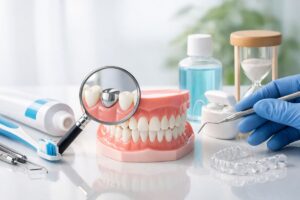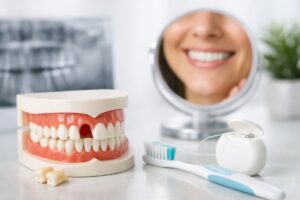

You can improve your chances to stabilize knocked out tooth by acting quickly and following proven steps. A knocked-out (avulsed) tooth is a dental emergency, and prompt care—ideally within 30 to 60 minutes—offers the best chance to save it [1]. This guide walks you through safe handling, storage, replantation, stabilization, and follow-up to help you preserve your natural tooth.
Assess the injury
Before you do anything, make sure you understand exactly what kind of dental damage you’re dealing with.
Identify avulsion versus loosening
A fully knocked-out tooth sits completely outside its socket. If it’s merely loose or partially dislodged, avoid replanting and see a dentist immediately for loose tooth stabilization dentist services.
Check for additional trauma
Look for cuts in your lips, tongue, or face. Note whether other teeth are cracked or fractured. If you suspect jaw injury or heavy bleeding, call emergency services before handling the tooth.
Handle the tooth properly
Correct handling preserves the root cells needed for successful reimplantation.
Touch only the crown
Pick up the tooth by the biting surface, not the root, to avoid damaging delicate root fibers [2].
Rinse gently if dirty
If the tooth has obvious debris, rinse under running water or in a saline solution. Do not scrub, use soap, or apply chemicals. Pat it dry gently on the crown only.
Keep the tooth moist
Never let the root dry out. If you can’t reinsert immediately, move on to choosing the right storage medium.
Select a storage medium
Choosing an appropriate transport medium helps preserve root surface cells until you reach a dentist.
Use milk or saliva first
Milk offers protein and antibacterial protection, making it the preferred choice if reinsertion isn’t possible immediately [1]. You can also tuck the tooth between your cheek and gums if you’re conscious and uninjured.
Consider saline or preservation kits
If you have a tooth preservation kit or sterile saline, these are acceptable alternatives. Avoid tap water, cloth, or tissues—these can damage root cells.
Observe time constraints
Aim to see a dentist within 30 minutes. Reimplantation up to one hour can still succeed if the tooth was stored correctly.
Reinsert and stabilize tooth
If you’re comfortable and uninjured, reinserting the tooth yourself can improve survival odds.
Reinsertion technique
- Position the crown toward the outside of your mouth.
- Gently push the tooth back into its socket—do not force it.
- Close your mouth slowly to hold the tooth in place.
If you can’t seat it fully, keep it in milk or saliva and get to a dentist right away.
Splint the tooth temporarily
Once the tooth is repositioned, you need to immobilize it. A flexible splint—soft wire or composite material—anchored to adjacent teeth works best [3]. This holds the tooth steady while periodontal ligaments heal.
| Splint type | Material | Typical duration |
|---|---|---|
| Soft wire/composite | Wire + resin | 1–2 weeks |
| Nylon fishing line method | Dental resin | 7–10 days |
| Commercial splint kit | Preformed splint | Per manufacturer’s guide |
For expert splinting, ask your dentist about tooth splinting emergency or splint broken tooth dentist services.
Seek immediate dental care
Even if you’ve managed to replant and splint the tooth, professional evaluation is essential.
What to expect at the office
- The dentist will flush the socket with sterile water
- They may take an X-ray to assess root and bone damage [4]
- A soft wire or composite splint will be placed and left in place for several days
Emergency stabilization services
Prompt care from an endodontist or general dentist specializing in emergency dental stabilization can prevent further injury and infection. They’ll also decide if root canal therapy is needed based on how long the tooth was out of its socket.
Monitor healing progress
Follow-up appointments are crucial to ensure your tooth remains healthy and stable.
Recommended schedule
- 1 month after reimplantation
- Every 3 months during the first year
- Annually for up to 5 years [1]
Watch for warning signs
Contact your dentist if you notice:
- Persistent pain or swelling
- Tooth mobility beyond splint removal
- Discoloration of the tooth
These may indicate infection or failure of the replantation.
Consider long-term restoration
Even a successfully replanted tooth can eventually loosen or fall out after 10 to 20 years [1]. Discuss replacement options to maintain function and aesthetics.
Replacement alternatives
- Dental implants for a permanent solution
- Fixed bridges to fill gaps
- Removable partial dentures for cost-effective coverage [4]
Temporary crown after trauma
If the crown is chipped or fractured, ask about a temporary crown after trauma or emergency crown replacement to protect the tooth structure while you plan definitive treatment.
Prompt, confident action can make the difference between saving your natural tooth and needing a full restoration. By following these steps to stabilize knocked out tooth, you give yourself the best possible chance for a successful recovery.