
Why finding an oral surgeon that takes Medicaid in Baltimore matters
If you are in pain from a broken or infected tooth, or you are missing teeth and worried about the cost of treatment, finding an affordable oral surgeon that takes Medicaid in Baltimore can feel urgent. You may already know you need a tooth extraction, wisdom tooth surgery, or even dental implants, but it is not always clear which providers accept Maryland Medicaid and what is actually covered.
Understanding how Medicaid works for extractions, oral surgery, and possible implant options helps you make decisions quickly and avoid unnecessary delays in care. In Baltimore, there are providers who focus on urgent and restorative dental services for adults with Medicaid, including emergency exams, tooth removal, and medically necessary oral surgery.
This guide walks you through what Medicaid usually covers in Maryland, how to tell if you are a good candidate for procedures like implants, and the practical steps to find and schedule with an oral surgeon that accepts your plan.
Understanding Maryland Medicaid dental coverage
Knowing what your insurance can pay for is the first step in getting care. Maryland has expanded adult dental benefits in recent years, but coverage is still different for routine care, urgent care, extractions, and complex procedures like implants.
Basic overview of adult dental benefits
Maryland Medicaid dental coverage for adults typically focuses on services that treat pain, infection, and serious oral health problems. Preventive care is available, but the program places strong priority on medically necessary treatments and emergency care.
If you are dealing with severe pain, swelling, or infection, Medicaid is much more likely to cover the visit and treatment. This is one reason it helps to see an emergency dentist that takes medicaid or an oral surgeon who is familiar with Medicaid rules and billing.
What Medicaid usually covers for tooth extractions
Tooth removal is one of the most common oral surgery procedures for adults on Medicaid in Baltimore. Coverage is typically available when:
- The tooth is infected or abscessed
- The tooth is broken or non-restorable
- Gum disease has damaged the tooth beyond repair
- Wisdom teeth are impacted or causing pain or crowding
If you are wondering specifically, you can read more in resources that answer questions like does medicaid cover tooth extraction and tooth extraction covered by medicaid. These explain how medical necessity is documented and what to expect.
In many cases, Medicaid will pay all or most of the cost of a medically necessary extraction for eligible adults. You may still have small copays depending on your specific plan, but the biggest part of the fee is usually covered.
What Medicaid may cover for oral surgery
Oral surgeons in Baltimore often work with Medicaid plans for procedures such as:
- Simple tooth extractions
- Surgical extractions, including impacted teeth
- Infection control, such as incision and drainage
- Biopsies or removal of small growths when medically necessary
- Some pre-prosthetic surgeries that prepare your mouth for dentures
You can explore more detail in guides on medicaid oral surgery coverage. These resources explain which procedures are typically approved and how prior authorization works for more complex surgery.
If you need your wisdom teeth removed, many adults qualify for wisdom tooth removal medicaid coverage when there is pain, cysts, or other documented complications.
How Medicaid treats dental implants
Dental implants are more complex. In most states, including Maryland, implants for adults are often limited or not covered at all unless there is a very specific medical reason. Policies are changing over time, so it is important to check the most up to date details.
You can start with articles that answer questions like does medicaid cover dental implants and medicaid dental implant coverage. These walk through common rules and exceptions, such as:
- Whether any implant coverage is available in your plan
- When implants might be approved due to trauma, cancer, or severe jaw problems
- Whether Medicaid will cover part of the treatment, such as extractions or bone grafting, even if it does not pay for the implant itself
If implants are not covered under your exact plan, some Baltimore practices still help you explore low cost dental implants medicaid options. This can include partial assistance, payment plans, or combining Medicaid-covered procedures with out-of-pocket financing for the implant portion.
When you should see an oral surgeon urgently
If you are searching for an oral surgeon that takes Medicaid, you are probably in pain or worried about a serious dental problem. Certain symptoms mean you should not wait.
Signs you need emergency oral surgery
You should seek urgent or emergency dental care that takes Medicaid if you notice:
- Severe constant toothache that is not improving
- Swelling in your face, cheek, or jaw
- Difficulty swallowing or opening your mouth
- Fever with a known infected tooth
- A broken tooth with exposed nerve and intense pain
- Uncontrolled bleeding after a dental injury
In these situations, the priority is to control infection and relieve pain. Medicaid is designed to help in emergencies, and the right office can guide you through medicaid emergency tooth removal or other urgent procedures.
For a broken or fractured tooth, especially if part of the root is exposed or the tooth is cracked near the gumline, seek a broken tooth medicaid emergency dentist as soon as you can. Delaying care can lead to worsening infection, more complicated surgery, or even hospitalization.
Same day and walk in options for Medicaid
If you do not currently have a regular dentist, look for a walk in dentist that takes medicaid or a clinic that offers urgent dental care that takes medicaid. Many Baltimore offices reserve time for same day visits for:
- Infected or abscessed teeth
- Severe pain that keeps you from sleeping or eating
- Teeth broken in accidents or sports injuries
Some practices also provide same day tooth extraction medicaid when the tooth is clearly non-restorable and there is an immediate need to stop pain or infection. If same day removal is not possible, they may start antibiotics, control your pain, and schedule surgery as soon as possible.
Step by step: How to get a tooth pulled with Medicaid in Baltimore
If you know or suspect that a tooth needs to come out, navigating the process can feel overwhelming. Breaking it into clear steps helps you move forward quickly and use your Medicaid benefits fully.
Step 1: Confirm your Medicaid eligibility and plan type
Before you schedule, make sure your coverage is active. You can:
- Check your Medicaid card for your member ID and plan name
- Log in to your Maryland Health Connection or managed care plan portal
- Call the number on your card to verify your dental benefits
If you are unsure what is covered, ask the representative about adult dental benefits, including extractions and oral surgery.
Step 2: Find a Medicaid dentist or oral surgeon accepting new patients
Next, you will want a medicaid dentist accepting new patients or an oral surgeon who works with your specific plan. When you call offices in Baltimore, ask directly:
- Do you accept Maryland Medicaid for adults?
- Are you currently taking new Medicaid patients?
- Do you perform extractions or oral surgery for Medicaid members?
Make sure to mention if you are in pain or believe the situation is urgent. Many offices try to reserve sooner appointments for emergencies.
If you are dealing with an obvious infection, look for an infected tooth medicaid dentist who can start treatment quickly and refer to an oral surgeon if needed.
Step 3: Schedule an exam and X rays
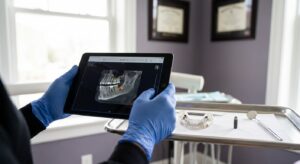
Most oral surgeons and dentists will need an exam and current X rays before they can remove a tooth. This appointment is usually covered when there is pain, infection, or visible damage.
During this visit, the provider will:
- Examine your tooth and surrounding gum
- Take X rays to see root position and bone level
- Decide if a simple extraction or surgical extraction is needed
- Confirm that removal is medically necessary for Medicaid billing
This is also your chance to ask questions about comfort options, recovery, and any copays you might owe.
Step 4: Understand your coverage for the extraction
Before you agree to treatment, ask the office to review your benefits in plain language. You can also review guides on how to get a tooth pulled with medicaid and free tooth extraction medicaid to see how costs are usually divided between you and the plan.
Clarify:
- Will Medicaid cover the exam, X rays, and extraction?
- Is this considered a simple extraction or a surgical extraction?
- Are there any out of pocket charges, such as sedation fees?
- Do you need prior authorization from the plan before surgery?
Many urgent extractions do not require a long waiting period for approval, especially when infection or severe pain is documented.
Step 5: Have the tooth removed and follow post op instructions
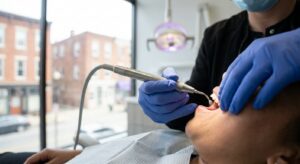
On the day of surgery, plan for someone to accompany you if you are receiving sedation. The oral surgeon will numb the area, remove the tooth, and give you detailed instructions to prevent dry socket or infection.
Typical advice includes:
- Bite gently on gauze to control bleeding
- Avoid smoking or using straws, which can interfere with healing
- Eat soft foods and avoid chewing near the surgical site
- Take prescribed pain medication or over the counter options as directed
If you notice increasing swelling, fever, or intense pain that worsens after a few days, call the office or return to an emergency dentist that takes Medicaid for a follow up check.
Dental implants and Medicaid: Are you a candidate?
If you are missing one or more teeth, you might be wondering whether you can use Medicaid for implants instead of removable dentures or bridges. In most cases, adult Medicaid coverage for implants is very limited, but it is still worth understanding your options.
How implant candidacy is decided
Implant candidacy is based on your oral health, medical conditions, and jawbone structure. Common factors include:
- Healthy gum tissue or tissue that can be improved with treatment
- Enough bone in your jaw to support an implant, or the ability to add bone
- Well controlled medical conditions such as diabetes or heart disease
- Non smoking status, or willingness to quit during healing
A dentist that understands Medicaid can help you explore whether your situation fits the criteria and whether any portion might be covered.
You can start by looking for a dentist that takes medicaid for implants. They can review details that answer questions like can you get dental implants with medicaid and how medicaid dental implant coverage applies specifically to you.
When Medicaid may consider implant related services
Even when Medicaid does not pay for the implant itself, it may still cover related medically necessary treatment. This can include:
- Extractions of teeth that must be removed before placement
- Treatment of gum disease and infection
- Bone grafting or sinus lifts only when clearly medically necessary
- Surgical procedures needed to stabilize your mouth for a denture
Some practices help you combine what Medicaid will pay for with private financing for the remaining steps. Articles on low cost dental implants medicaid can point you toward offices that are open to this blended approach.
Comparing alternatives when implants are not covered
If implants are not realistic with your current coverage, your oral surgeon or dentist can discuss:
- Partial dentures to replace one or several missing teeth
- Full dentures when many teeth have been removed
- Fixed bridges supported by natural teeth, if enough remain
These options are often at least partly covered by Medicaid when they are needed to restore chewing and prevent further problems.
How to check if an oral surgeon takes your Medicaid plan
Before you show up for an appointment, it is wise to confirm both your coverage and the provider’s participation. A few quick checks now can prevent billing problems later.
Quick tip: Always ask if the office accepts your exact Medicaid managed care plan, not just “Medicaid” in general.
Verify benefits with your plan
Use the phone number or website on your Medicaid card to:
- Confirm that your coverage is active
- Ask whether you have adult dental benefits and if there are annual limits
- Confirm that tooth extractions and oral surgery are covered for your situation
If you have questions about urgent care, ask the representative if your plan has special provisions for urgent dental care that takes medicaid or after hours emergencies.
Call the oral surgeon’s office
When you contact the oral surgeon or dental clinic, have your Medicaid card in front of you. Be ready to share:
- Your full name and date of birth
- Member ID number
- The name of your managed care organization if you have one
Ask the office:
- Do you accept my specific Medicaid plan for adults?
- Do you provide emergency oral surgery or extractions for Medicaid members?
- Can you see me the same day or next day if I am in pain?
If they do not accept your plan, ask if they know a nearby medicaid dentist accepting new patients or an emergency dentist that does.
Confirm costs before treatment
Even with Medicaid, it is smart to confirm whether there will be any copays or additional charges. Ask:
- Is my exam and X ray covered at the same visit as the extraction?
- Are there extra fees for sedation or anesthesia?
- Will I receive a written estimate before treatment starts?
If you qualify for free tooth extraction medicaid under your plan, the office should be able to explain how that applies and what documentation is required.
What to expect during Medicaid covered oral surgery
Knowing what the process looks like can reduce anxiety and help you feel more prepared for your appointment.
Before your oral surgery visit
Prior to surgery, your provider will usually:
- Review your medical history and current medications
- Take or update X rays or 3D scans
- Discuss anesthesia options, such as local numbing, nitrous oxide, or IV sedation
- Explain risks and benefits in simple language
If you have chronic conditions like high blood pressure or diabetes, the oral surgeon may ask for a medical clearance from your primary doctor to keep you safe during the procedure.
During the extraction or surgery
For most simple extractions, local anesthesia is enough to keep you comfortable. For impacted wisdom teeth or more complex surgery, your oral surgeon may recommend sedation so you are more relaxed.
The general steps include:
- Numbing the area or starting sedation
- Loosening the tooth and gently removing it, or making a small incision for surgical removal
- Cleaning the site and placing stitches if necessary
- Applying gauze to control bleeding
The entire procedure may take anywhere from a few minutes for a simple extraction to an hour or more for multiple teeth or surgical extractions.
Aftercare and healing with Medicaid support
Once you are home, follow any written instructions closely. Typical healing times are:
- A few days for initial soreness to fade
- One to two weeks for soft tissue to close
- Several months for bone to fully fill in the socket
Your Medicaid coverage may allow follow up visits if there are healing concerns or signs of infection. If pain suddenly worsens after feeling better, or if you develop a fever, contact a medicaid emergency tooth removal provider or your original oral surgeon right away.
Using Medicaid wisely for long term oral health
Finding an affordable oral surgeon that takes Medicaid in Baltimore is an important step, but long term oral health requires ongoing attention. Once urgent issues are resolved, it helps to:
- Schedule regular checkups with a dentist that accepts Medicaid
- Treat small cavities or gum problems before they become emergencies
- Discuss replacement options for missing teeth, even if implants are not covered
Resources that answer questions like does medicaid cover tooth extraction, tooth extraction covered by medicaid, and medicaid dental implant coverage can help you plan ahead and understand your options.
If you ever find yourself in pain again, remember that you can look for an emergency dentist that takes medicaid or an oral surgeon who works directly with your plan. With the right information and a provider who understands Medicaid, you can get the care you need without facing unexpected costs or delays.