
Understanding how to get a tooth pulled with Medicaid
If you are in pain and trying to figure out how to get a tooth pulled with Medicaid, you are not alone. Many adults in Baltimore only look into their Medicaid dental benefits when a tooth is broken, infected, or hurting so badly that it is hard to sleep or work.
Knowing what your plan covers, where to go, and what to expect can reduce a lot of stress. In this guide, you will walk through how Medicaid typically handles tooth extractions, what to do in an emergency, and how to move from “I need this tooth out today” to “My mouth feels healthy again.”
Throughout, you can also explore related resources like does medicaid cover tooth extraction and tooth extraction covered by medicaid for more detail on specific questions.
What Medicaid usually covers for tooth extractions
Medicaid dental coverage is different in every state, but there are some patterns that can help you understand what to expect before you call a dentist.
Medically necessary services
Medicaid almost always focuses on what is medically necessary. If a tooth is:
- Severely decayed
- Infected or abscessed
- Broken beyond repair
- Causing significant pain or swelling
then extraction is often considered medically necessary. When a tooth meets this standard and you see a participating provider, there is a strong chance the visit and the extraction are covered, either fully or with very low out of pocket costs, depending on the state and your plan.
For example, in Virginia, Cardinal Care Smiles covers medically necessary dental services like tooth extractions for eligible members, as long as care is provided by a participating dentist [1]. While Maryland Medicaid is a separate program, it is helpful to know that nearby states structure coverage in a similar way around medical necessity.
Differences by age and situation
Medicaid often has different rules for children, adults, and certain special groups.
Using Virginia’s Cardinal Care Smiles as an example of how a Medicaid dental program can be organized:
- Children and teens under 21 are covered for all medically necessary dental services, including extractions, when they see a participating dentist [1].
- Adults over 21 typically have coverage for prevention, treatments, and restorative services, but may not have coverage for elective procedures like braces [1].
- Pregnant adults have specific coverage for prevention and treatment, usually up to a set time after delivery, such as 12 months in Cardinal Care Smiles [1].
Maryland sets its own guidelines, but you can expect similar distinctions across age groups, medical need, and pregnancy. If you are seeking medicaid emergency tooth removal, it is especially important to ask how your age and health status affect coverage when you call.
Routine vs emergency extractions
You might need a tooth pulled for different reasons:
- An emergency, such as an abscess, facial swelling, or severe pain
- A planned procedure, such as removing teeth that cannot be restored before dentures or implants
- Wisdom teeth that are infected, impacted, or causing crowding
In most Medicaid programs, it is easier to qualify for coverage when there is urgent pain, infection, or risk to your overall health. If your situation is more elective, such as removing a tooth only for cosmetic reasons, coverage may be limited or denied.
To better understand where your situation falls, you can review our related guide on medicaid oral surgery coverage, which explains how more complex surgical extractions are typically handled.
When you need an emergency tooth extraction
When you are in real pain, you care less about the fine print and more about quick relief. Still, a little structure can help you move faster and avoid surprises.
Recognizing an emergency
You should treat your situation as urgent and seek an emergency dentist that takes medicaid right away if you notice:
- Intense, throbbing pain that makes it hard to eat, sleep, or function
- Visible swelling in your face or jaw
- A pimple-like bump on the gums that drains pus
- Fever, chills, or feeling very unwell along with tooth pain
- Difficulty swallowing or breathing
These symptoms can point to infection that can spread quickly. In many cases, Medicaid will consider extractions in these situations medically necessary, and the focus will be on stopping the infection and pain.
Same day and walk in options
If you are wondering how to get a tooth pulled with Medicaid as soon as possible, look for:
- Same day tooth extraction medicaid services in your area
- A walk in dentist that takes medicaid and is comfortable handling emergencies
- An urgent dental care that takes medicaid clinic that can see you outside regular hours
These offices are used to verifying Medicaid quickly, deciding if your situation is an emergency, and explaining your expected costs. If you cannot find an appointment online, call and explain that you have Medicaid and are in severe pain or have swelling. This often helps you get a same day or next day visit.
If your tooth is broken, chipped, or cracked and you are unclear whether it is urgent, you can review broken tooth medicaid emergency dentist for more context on what usually needs same day care.
Step by step: how to get a tooth pulled with Medicaid
To make the process less overwhelming, it helps to follow a simple sequence. This way, you can move from “I think Medicaid might cover this” to actually sitting in a chair and having the problem taken care of.
Step 1: Confirm your Medicaid status
Before you call a dental office, have this information handy:
- Your Medicaid ID number
- Your full legal name and date of birth
- The name of your managed care plan if you have one
If you are not sure you are still active, call the member services number on your Medicaid card or check online through your state’s Medicaid portal. This step can save time when you call an office, and it helps the staff verify your benefits more quickly.
Step 2: Find a Medicaid dentist accepting new patients
Not every office that accepts Medicaid is taking new patients, and not every dentist provides extractions. Your goal is to find a medicaid dentist accepting new patients who is also comfortable treating emergencies.
When you call, be specific. Ask:
- “Do you accept my Medicaid plan for tooth extractions?”
- “Are you currently a medicaid dentist accepting new patients?”
- “How soon can I be seen for dental pain or a possible infection?”
If staff say they do not do extractions in office, ask if they work closely with an oral surgeon that takes medicaid and if a referral is needed.
In some states, Medicaid dental programs, such as Cardinal Care Smiles in Virginia, let you choose or change your “Dental Home” and search for a participating dentist using online tools or member services [1]. Maryland programs offer similar directories and hotlines that can point you to a nearby provider who can help with extractions.
Step 3: Verify coverage for your specific visit
Once you find a potential office, call and ask them to verify:
- Whether your Medicaid plan is active and accepted
- Whether today’s visit would be billed as an emergency or routine exam
- If the extraction itself is likely covered, and what your copay, if any, would be
You can also review broader questions like does medicaid cover tooth extraction and tooth extraction covered by medicaid so you know which terms to listen for.
Keep in mind that final coverage decisions can depend on what the dentist finds during your exam. However, most offices can give you a reasonable idea before you arrive, and Medicaid programs generally cover extractions when clearly medically necessary.
Step 4: Get a diagnosis and treatment plan
At your visit, the dentist will:
- Take a detailed history of your symptoms
- Examine your mouth and the area around the painful tooth
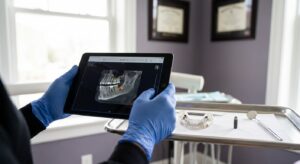
- Take X rays to see the roots, bone, and nearby teeth
From there, you will discuss options such as:
- A simple extraction if the tooth is loose or fully above the gum line
- A surgical extraction if the tooth is broken at the gum line, impacted, or has curved roots
- Antibiotics and pain control if there is significant infection present, sometimes with the extraction delayed until swelling is under control
If the situation is urgent and you meet criteria for medicaid emergency tooth removal, the dentist will explain how quickly the tooth can be removed and what risks and benefits you should understand first.
Step 5: Have the tooth removed
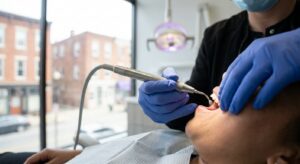
On the day of your extraction, you can expect:
- Local anesthesia to fully numb the area
- Possible sedation if you are anxious or the procedure is more complex, depending on your health and coverage
- Pressure and movement during the extraction, but not sharp pain if the numbing is working correctly
For routine extractions, many general dentists can treat you in the same office. For more complex cases such as impacted wisdom teeth, you may be referred to an oral surgeon that takes medicaid or a clinic that provides wisdom tooth removal medicaid services.
If cost is a concern, ask before treatment whether any part of the visit might not be covered. In some cases, you may qualify for free tooth extraction medicaid if the tooth clearly meets medical necessity standards and your state covers extractions at no cost for your age group or situation.
Step 6: Follow aftercare instructions carefully
To protect your healing site and lower your risk of infection or dry socket:
- Take any prescribed medications as directed
- Avoid smoking, vigorous rinsing, and drinking through straws for the first days
- Eat soft foods and chew on the opposite side when possible
- Call the office if you notice increasing pain after 2 to 3 days, new swelling, fever, or foul taste
If you had an infected tooth, the dentist may schedule a follow up visit. This is an opportunity to ask about future treatment options and how to avoid similar problems in other teeth.
Finding the right provider for complex extractions and oral surgery
Some teeth are straightforward to remove. Others, especially molars and wisdom teeth, may require surgical techniques and advanced training.
When you may need an oral surgeon
You are more likely to be referred to an oral surgeon if:
- The tooth is impacted under the gum or bone
- The roots are curved, long, or very close to a sinus or nerve
- You have serious medical conditions that make surgery in a hospital setting safer
- You need multiple extractions in one visit
In these cases, you will want an oral surgeon that takes medicaid. Oral surgeons experienced with Medicaid can help you navigate prior authorizations, anesthesia coverage, and scheduling when you are in pain.
If your primary concern is a wisdom tooth, you can also look specifically for wisdom tooth removal medicaid providers who handle a high volume of these procedures.
Emergency vs scheduled surgery
Even with complex teeth, not every situation is an emergency. Your surgeon will weigh:
- How severe your pain is
- Whether there is active infection or abscess
- Any risk to nearby structures, such as nerves or sinuses
Truly urgent cases are often prioritized for faster scheduling under medicaid emergency tooth removal. Less urgent cases may be booked as scheduled surgery, which can still be fully or mostly covered when medically necessary.
If you are unsure whether your case qualifies as urgent, an infected tooth medicaid dentist can usually assess you first, treat immediate infection, and then connect you with an oral surgeon if needed.
If you are ever in serious pain, having trouble breathing or swallowing, or seeing rapid facial swelling, treat it as a medical emergency and seek immediate care. Then, once you are stable, your dental team can work with Medicaid to complete the necessary extractions.
What about dental implants with Medicaid?
Once a tooth is removed, it is natural to wonder what comes next. You might ask if you can get an implant through Medicaid, or if you are limited to a partial denture or bridge.
Typical Medicaid stance on implants
Across many states, Medicaid focuses on medically necessary, basic dental services and does not routinely cover high cost, elective treatments. Dental implants often fall into this category. As the Cardinal Care Smiles program notes, adults over 21 may receive prevention, treatment, and restoration services, but certain elective services such as orthodontic braces are excluded [1]. Implants are often handled in a similar way.
Since rules vary, you can get a clearer picture in our related guides:
These resources explain how and when implants might be considered, and what restrictions are common.
Checking if you are a candidate
Even if your plan has limited or no coverage, it is still useful to know if you are a good medical candidate for implants. Your dentist or a dentist that takes medicaid for implants can evaluate:
- Your bone levels and gum health
- How long the tooth has been missing
- Your medical history and medications
- Whether alternative options like bridges or partial dentures might serve you well
If your Medicaid plan covers only part of the process, or if implants are excluded, you can ask about low cost dental implants medicaid options, payment plans, or clinics that offer reduced fees for implant placement and restoration.
Balancing urgency and long term planning
If you are in pain now, the immediate goal is to safely remove the tooth and stop the infection. Implants and long term replacement can be discussed later, when you are more comfortable.
That said, it is smart to have at least an outline of a plan. After your extraction, ask:
- “What are my options for replacing this tooth with my Medicaid plan?”
- “If I want an implant later, will today’s extraction affect that?”
- “Should we do anything now to preserve bone in this area?”
You can also explore can you get dental implants with medicaid for a deeper look at how to sequence extractions and implant planning.
Reducing stress before and after your Medicaid tooth extraction
Dental pain and insurance questions are both stressful. You are making decisions quickly, often while not feeling your best. A few simple steps can make the process more manageable.
Prepare questions before your visit
Write down your top concerns so you do not forget them in the moment. This might include:
- “Is this covered by my Medicaid plan, and will I have any copays?”
- “What happens if the extraction is more complicated than expected?”
- “How long will I need off work?”
- “How do I reach you if I have problems after hours?”
If cost is a major worry, you can also ask whether your situation qualifies for free tooth extraction medicaid, especially if your plan includes specific benefits for low income adults or emergencies.
Use the right type of provider for your need
Different situations call for different types of providers. To keep your care on track:
- Start with an infected tooth medicaid dentist or medicaid dentist accepting new patients if your pain is moderate and you can wait a day or two.
- Seek an emergency dentist that takes medicaid or urgent dental care that takes medicaid if you have severe pain, swelling, or signs of infection.
- Ask for referral to an oral surgeon that takes medicaid if your case seems complex or you have been told you need surgical extraction.
Following this path helps you avoid unnecessary delays and makes it more likely your visit is covered as medically appropriate.
Plan for follow up and replacement
After your tooth is out, you will want to protect your remaining teeth and restore your smile as much as possible. Work with your dentist to:
- Schedule follow up cleanings and exams
- Address any other teeth that are at risk before they become emergencies
- Discuss coverage for partial dentures, bridges, or possible implants
Resources like dentist that takes medicaid for implants and medicaid dental implant coverage can help you understand what to expect if you decide to replace missing teeth.
Moving forward with confidence
Figuring out how to get a tooth pulled with Medicaid does not have to be chaotic. When you know your plan focuses on medically necessary care, understand how to find a medicaid dentist accepting new patients, and follow a clear step by step process, you can move from constant pain to real relief.
If you are facing dental pain, infection, or a broken tooth right now, your next step is to contact an emergency dentist that takes medicaid or same day tooth extraction medicaid provider and let them help you verify your benefits and schedule care. From there, you and your dental team can focus on healing today and planning a healthier, more comfortable smile for tomorrow.