
Understanding wisdom tooth removal with Medicaid
If you are experiencing jaw pain, swelling, or repeated infections near the back of your mouth, you may be dealing with a wisdom tooth problem that needs urgent attention. Wisdom tooth removal with Medicaid coverage can significantly reduce your out of pocket costs, especially when the tooth is infected or causing serious complications.
In Maryland, Medicaid does offer dental benefits for adults, including coverage for tooth extractions when they are considered medically necessary. Many states provide coverage for wisdom tooth removal in situations where the tooth is impacted, infected, or poses a significant health risk, although the exact details vary by state and program [1].
Your focus is likely twofold. You need relief from pain as quickly as possible and you need a dentist or oral surgeon who accepts your Medicaid plan and can explain your benefits clearly. This guide walks you through how wisdom tooth removal works when you have Medicaid, what is typically covered, and how to take the next step toward treatment.
When wisdom tooth removal becomes urgent
Not every wisdom tooth needs to be removed. However, when a wisdom tooth becomes infected or impacted, it can quickly turn into an emergency. Recognizing the signs early helps you avoid more serious complications.
Common symptoms you should not ignore
You should contact an emergency dentist that takes medicaid or an oral surgeon that takes medicaid if you notice:
- Persistent pain at the back of your mouth or jaw
- Swelling in your gums, cheek, or jaw
- Red, bleeding, or pus‑draining gums around the wisdom tooth
- Difficulty opening your mouth fully
- Fever or feeling generally unwell
- A bad taste or persistent bad breath that does not go away with brushing
These symptoms may indicate an infection or severe inflammation. Medicaid generally covers dental care, including wisdom teeth removal, for eligible adults and children if the procedure is medically necessary, for example to address infections or prevent serious health risks [1].
Why delaying treatment is risky
Waiting to address wisdom tooth pain can lead to:
- Spread of infection to other teeth or jawbone
- Damage to neighboring teeth
- Development of cysts or abscesses
- Increased difficulty of extraction and longer recovery
If your pain is intense, your face is swelling, or you suspect an abscess, you may qualify for medicaid emergency tooth removal or same day tooth extraction medicaid. In these situations, documenting the urgency helps support coverage.
How Medicaid decides on wisdom tooth coverage
Medicaid coverage for wisdom tooth removal varies by state and by program type. However, across many states, the key question is whether your extraction is considered medically necessary.
Medically necessary vs routine removal
Medicaid dental coverage tends to focus on procedures needed to treat disease, relieve pain, or prevent serious complications. That means wisdom teeth are more likely to be covered when:
- The tooth is infected or abscessed
- The tooth is impacted in a way that threatens other teeth
- There is significant decay that cannot be restored
- You have repeated pericoronitis or gum infections around the tooth
- There is risk of serious health problems if the tooth is not removed
Many states’ Medicaid programs cover wisdom tooth extraction to address dental issues or to prevent significant health risks, although coverage details and proof of medical necessity can vary [1].
If the removal is purely preventive, and you have no symptoms or clear risk factors, it may be more difficult to obtain coverage. In those situations, your dentist will explain your options and potential out of pocket costs.
Adult Medicaid dental benefits and limits
As of 2023, some states provide comprehensive adult dental benefits, potentially including wisdom tooth removal, while others only cover emergency services or offer limited benefits [1]. Coverage can change year to year, so it is important that you verify your specific Maryland Medicaid plan benefits.
If you are unsure where your situation falls, you can start by reviewing general information such as does medicaid cover tooth extraction and tooth extraction covered by medicaid, then speak directly with a Medicaid friendly dental office that can interpret the details for you.
What Medicaid typically covers for extractions
When wisdom tooth removal meets medical necessity criteria, Medicaid may help with several parts of your treatment. While each state and plan is different, many follow a similar structure.
Components of a Medicaid covered extraction visit
For a medically necessary extraction, your Medicaid plan may help cover:
- Initial exam and problem focused visit for pain
- Necessary X‑rays or imaging to evaluate the tooth and jaw
- Simple or surgical extraction of the wisdom tooth
- Local anesthesia, and sometimes additional sedation when justified
- Basic post operative visits to manage healing or complications
Removing wisdom teeth without dental insurance can cost several hundred dollars out of pocket. With Medicaid, premiums and deductibles are often very low or nonexistent, and some states only require small copayments, which can dramatically reduce your overall cost [1].
For non emergency situations or when multiple teeth are involved, it is helpful to speak with a medicaid dentist accepting new patients who can review your full treatment plan and provide an itemized estimate based on your benefits.
Step by step: Getting a wisdom tooth removed with Medicaid
When you are in pain, the process can feel overwhelming. Breaking it into clear steps makes it more manageable and helps you move toward relief as quickly as possible.
1. Confirm your Medicaid eligibility and plan
If you are already enrolled in Maryland Medicaid, locate:
- Your Medicaid ID number
- Your managed care organization (MCO) name, if you have one
- Any dental plan card or information you received
If you are not currently enrolled but think you may qualify, you can contact your local Medicaid office or state benefits portal before scheduling non emergency care. For severe pain, swelling, or suspected infection, you should still seek urgent dental care that takes medicaid or a hospital emergency department, since uncontrolled infection is a medical emergency.
2. Find a Medicaid friendly dentist or oral surgeon
Next, you need an infected tooth medicaid dentist or oral surgeon that takes medicaid. Many practices accept Medicaid but have limited slots, so it is useful to ask:
- Are you a walk in dentist that takes medicaid for emergencies
- Do you offer same day tooth extraction medicaid appointments
- Do you provide sedation for surgical extractions when needed
If your case is complex, you may be referred to an office that focuses on medicaid oral surgery coverage. These providers routinely work with Medicaid authorizations and can guide you through the process.
3. Schedule an exam and X‑rays
At your first visit, your provider will:
- Review your symptoms and medical history
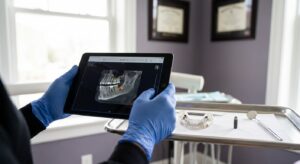
- Take focused X‑rays of the tooth and surrounding bone
- Determine whether the wisdom tooth is erupted, partially erupted, or impacted
- Evaluate the severity of infection or damage
This information helps your dentist document medical necessity. If removal is urgent, they may arrange medicaid emergency tooth removal the same day or within a very short time frame.
4. Verify Medicaid coverage and any prior authorization
Before surgery, the office will usually contact your Medicaid plan to:
- Confirm that you are eligible and active
- Determine whether pre authorization is required
- Identify any copayments or limits
You can also review basic information yourself by reading resources such as how to get a tooth pulled with medicaid and free tooth extraction medicaid. These overviews can help you understand how copays and approvals typically work.
5. Undergo the extraction
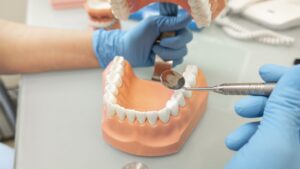
On the day of your procedure, you will receive local anesthetic and, if approved and appropriate, additional sedation. The dentist or oral surgeon will:
- Loosen or section the tooth
- Remove it from the socket
- Clean the area thoroughly
- Place sutures when required
Surgical wisdom tooth removal may be more involved, but in most cases it is still an outpatient procedure. Many patients can go home shortly after, with detailed instructions for recovery.
6. Follow up and recovery
After your extraction, you will receive:
- Instructions on pain control and swelling reduction
- Guidance on eating and oral hygiene
- A follow up visit if needed to monitor healing
Post operative visits that are part of a covered procedure are often included in your treatment plan. If you experience new or worsening symptoms after surgery, you should contact your provider or return to urgent dental care that takes medicaid.
Same day and emergency options for wisdom tooth pain
When you cannot sleep, eat, or function because of wisdom tooth pain, waiting weeks is not realistic. If you need help quickly, you can look for:
- Emergency dentist that takes medicaid for acute pain or infection
- Walk in dentist that takes medicaid for urgent evaluations
- Offices that clearly advertise same day tooth extraction medicaid availability
In emergency only Medicaid states, coverage for wisdom tooth removal may focus on cases where you have an infection, abscess, or significant risk of health complications [1]. Even in more comprehensive states, documenting your symptoms and having prompt evaluation is important.
If your tooth is broken as well as painful, reviewing what to expect from a broken tooth medicaid emergency dentist can give you a clearer picture of your options.
How wisdom tooth removal relates to implants and missing teeth
If a wisdom tooth is removed, you typically do not need a replacement, because these teeth are not essential for chewing. However, if you are also missing other teeth, or if badly decayed teeth need to be extracted along with your wisdom teeth, you may begin to ask about dental implants.
Medicaid and implants: What to know
Medicaid coverage for dental implants is more limited than for extractions. While many states cover tooth removal when medically necessary, implant placement is often considered non essential except in specific situations. To explore your options, it is helpful to read:
- Does medicaid cover dental implants
- Medicaid dental implant coverage
- Can you get dental implants with medicaid
If you are trying to find a dentist that takes medicaid for implants or low cost dental implants medicaid, you will want a provider who understands both the medical and financial aspects, and who can help you explore all possible options.
Planning your long term dental health
Wisdom tooth removal can be the first step in stabilizing your mouth. Once infection and pain are controlled, you can work with your provider to:
- Address remaining decayed or damaged teeth
- Plan extractions that are fully tooth extraction covered by medicaid whenever possible
- Consider restorative options for visible or functional teeth, including partials, dentures, or implants when appropriate
Thinking beyond the immediate emergency helps you protect your remaining teeth and avoid repeated crises.
Medicaid is most likely to help when you are treating active disease, infection, or serious functional problems. The more clearly your dental provider can show that a procedure is medically necessary, the better your chances of coverage.
Verifying your benefits before treatment
Because Medicaid dental coverage can change annually and vary among states and managed care plans, it is important that you verify details for your specific situation before non emergency procedures.
To confirm your wisdom tooth removal Medicaid benefits, you can:
- Call the member services number on your Medicaid card and ask specifically about oral surgery, extractions, and emergency dental coverage.
- Ask your dental office to submit a pre treatment estimate or prior authorization when needed.
- Review educational resources like does medicaid cover tooth extraction and medicaid oral surgery coverage for general guidance.
Medicaid plans generally charge little to no premium or deductible, but you may have small copayments depending on state specific cost sharing policies [1]. Clarifying these details in advance helps you avoid surprises.
Taking your next step toward relief
If you are in pain from a wisdom tooth, you do not have to navigate treatment alone. Your focus now is straightforward. Find a medicaid dentist accepting new patients or an oral surgeon that takes medicaid, describe your symptoms clearly, and let the team guide you through evaluation, coverage verification, and treatment.
By addressing wisdom tooth problems early, you protect your overall health, reduce the risk of serious infection, and move toward a more stable and comfortable smile. With the right information and a provider who understands Medicaid, you can receive the care you need, when you need it, with costs that fit within your coverage.