
When you experience a severe toothache, an urgent root canal might be the solution to eliminate pain and infection. Searching for “severe toothache root canal urgent” underscores the critical nature of your dental emergency. This guide helps you identify emergency signs, understand root canal therapy, prepare for treatment, manage discomfort, plan follow-up care, and prevent future crises.
Identify urgent symptoms
Common warning signs
If you have pain that worsens when you bite down or chew, the infection may have reached the pulp of your tooth. Severe sensitivity to hot and cold that lingers is another red flag. You might also notice swelling around your gums or face, a persistent pimple on the gums, or tooth discoloration such as gray or black hues. These signs often indicate a deep infection requiring immediate care [1].
When to seek help now
Act quickly if you experience:
- Unbearable toothache that disrupts daily activities or sleep
- Fever, chills, or facial swelling alongside tooth pain [2]
- Difficulty breathing or swallowing due to jaw or neck swelling [1]
These symptoms suggest your infection could be spreading, requiring urgent endodontic care to protect your overall health.
Related emergencies
A dental abscess can form near an infected tooth, causing pus buildup and increased swelling. If you suspect an abscess, consider emergency abscess drainage dental or treating dental abscess urgent to relieve pressure and prevent complications.
Understand root canal treatment
What a root canal involves
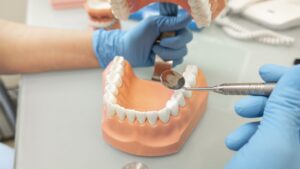
Root canal therapy, or endodontic treatment, removes inflamed or infected pulp from inside your tooth. The dentist cleans and disinfects the root canals, fills them with a rubber-like material called gutta-percha, and seals the tooth. A crown is often placed afterward to restore strength and function [3].
Why it’s necessary
When decay, cracks, or trauma allow bacteria into the pulp chamber, your body’s inflammatory response can cause intense pain and swelling. Untreated infection can lead to bone loss, spread to other teeth, or enter the bloodstream, posing life-threatening risks [4]. By preserving your natural tooth, root canal treatment eliminates bacteria, prevents reinfection, and restores oral health [5].
Success and longevity
Millions of teeth are saved annually through root canals, with success rates exceeding 95 percent. With proper care, a treated tooth can last a lifetime. Delaying treatment increases the risk of tooth loss, more complex procedures, and higher costs [6].
Prepare for the procedure
Consulting a specialist
Contact a root canal emergency clinic or seek emergency endodontic services to evaluate your case. You may need digital X-rays and an examination to confirm the diagnosis and plan your treatment.
Scheduling same-day care
Many practices offer same day root canal service to address severe pain without delay. Plan for a 60 to 90-minute appointment; complex cases might require two visits [7].
What to expect
- Numbing
Your dentist administers local anesthesia. Modern techniques make root canals no more painful than fillings. - Access
A small opening is made in your tooth to reach the pulp chamber. - Cleaning
Infected tissue is removed, and canals are shaped, cleaned, and disinfected. - Filling
Gutta-percha seals the canals, preventing bacteria from re-entering. - Restoration
A temporary filling is placed, with a permanent crown often fitted later.
Manage recovery discomfort
Pain control methods
After treatment, you may feel mild soreness for a few days. To manage discomfort:
- Take over-the-counter pain relievers like ibuprofen or acetaminophen as directed
- Apply a cold compress for 10- to 15-minute intervals to reduce swelling
- Avoid hard or sticky foods until you receive your permanent crown [5]
When to contact your dentist
Persistent or worsening pain beyond one week may signal complications. Reach out if you experience:
- Intense throbbing or sharp pain
- Significant swelling
- Signs of reinfection, such as fever or abscess formation
For urgent cases, consider emergency pulp infection treatment or urgent endodontic care.
Plan follow-up care
Restorative work
Schedule an appointment to fit a permanent crown or other restoration. This step protects your tooth from fracture and ensures long-term function.
Monitoring your tooth
Return for periodic exams and X-rays. Your dentist will check for signs of reinfection or other issues. Good follow-up care helps you maintain long-term oral health.
Prevent future emergencies
Oral hygiene best practices
Consistent care reduces your risk of root canal emergencies:
- Brush twice daily with ADA-approved fluoride toothpaste
- Floss once a day to remove plaque from between teeth
- Rinse with an antiseptic mouthwash if recommended by your dentist [7]
Regular dental visits
Biannual checkups and cleanings catch decay early, before it reaches the pulp. If you have a history of dental trauma or extensive restorations, more frequent visits may be advised.
Protective measures
If you grind your teeth or play contact sports, ask about mouthguards or nightguards. These appliances guard against fractures and trauma that can necessitate emergency root canals.
When pain strikes, prompt action, from seeking emergency root canal treatment to following professional guidance, ensures you protect your natural teeth and restore comfort quickly.