
Understanding a broken tooth Medicaid emergency
If you have a broken tooth and need help fast, you are not alone. A broken or cracked tooth can feel frightening, especially if you rely on Medicaid and are worried about what is covered. Finding a broken tooth Medicaid emergency dentist quickly protects you from infection, saves your tooth when possible, and helps you manage pain safely.
For adults, Medicaid emergency coverage often includes urgent treatments such as broken tooth repair, tooth extractions, pain relief, and care for dental infections, although exact benefits vary by state [1]. Children and teens under 21 are guaranteed dental coverage, including emergency treatment for chipped or broken teeth, under federal EPSDT rules [1].
In Baltimore, you may feel pressure to find someone who accepts your plan, offers same day appointments, and can explain your benefits clearly. By understanding what to do in the first hours after a break and how Medicaid usually works for emergencies, you can move from panic to a clear action plan.
How to recognize a true dental emergency
Not every chipped tooth is an emergency, but some situations require a Medicaid emergency dentist right away. You should seek urgent care if you experience:
- Severe or throbbing pain that does not respond to over the counter medication
- A tooth that is broken down to the root, or a large piece that has snapped off
- Visible nerve exposure, a hole in the tooth that is very sensitive to air, hot, or cold
- Swelling in your face, jaw, or gums
- Signs of infection such as fever, a bad taste, or pus from around the tooth
- Trauma from an accident, fall, or sports injury
A minor chip with no pain usually does not require the ER, but you should still schedule an appointment soon. If you are unsure, contact an emergency dentist that takes medicaid and describe your symptoms. The office can tell you if you need same day treatment or if a next day visit is safe.
First steps to take after a tooth breaks
What you do in the first hour can help your broken tooth Medicaid emergency dentist save the tooth or at least control damage.
Protect the area and control pain
Rinse your mouth gently with warm water to clear blood and debris. If you see dirt or fragments on the tooth, do not scrub. A gentle rinse is enough.
If you are bleeding, apply light pressure with clean gauze or a soft cloth. For swelling, use a cold compress on the outside of your cheek in 10 to 15 minute intervals.
You can take over the counter pain medicine such as acetaminophen or ibuprofen unless a doctor has told you not to. Avoid placing aspirin directly on your gums or tooth because it can irritate tissue.
If a piece of tooth has broken off, place it in a clean container with milk or saliva. While a piece of broken natural tooth is not always reattachable, bringing it helps your dentist evaluate the damage.
Avoid making the break worse
Try to chew on the opposite side of your mouth until you can see a dentist. Avoid extremely hot, cold, or sugary foods that can trigger pain.
If the broken area has a sharp edge and you cannot get to a dentist immediately, you can cover it with dental wax or sugar free gum as a temporary measure. This protects your tongue and cheek from cuts.
Even with these steps, you should still contact an urgent dental care that takes medicaid as soon as possible, especially if you have pain or signs of infection.
What Medicaid typically covers for broken teeth
Your coverage depends on your age and your state plan, but there are some common patterns that can guide you when you need a broken tooth Medicaid emergency dentist.
Emergency care for adults on Medicaid
For adults, Medicaid emergency dental coverage usually focuses on relieving pain and treating infections, which often includes:
- Evaluation and diagnostic x rays to determine the problem
- Medications such as antibiotics or pain relievers
- Simple and surgical tooth extractions for teeth that cannot be saved
- Repair of broken teeth when medically necessary, such as fillings in certain situations
Many states also pay for root canal therapy and tooth colored fillings in some circumstances, although the rules differ by region [1]. Emergency coverage is designed to stop active disease, protect your health, and address urgent pain.
If you are comparing your options, you may find it helpful to learn more about does medicaid cover tooth extraction and how tooth extraction covered by medicaid typically works.
Children and teens under 21
If your child or teen has a broken tooth, Medicaid offers broader protections. All children enrolled in Medicaid are entitled to regular dental screenings and emergency care, which includes treatment for broken or chipped teeth from injuries or decay [1]. This can involve fillings, crowns, extractions, and other medically necessary procedures.
Because coverage is more complete for younger patients, you should contact an infected tooth medicaid dentist or pediatric provider right away if your child has trauma to their teeth.
Restorative treatments like crowns
Some Medicaid programs include restorative dental coverage for adults enrolled in full benefits. For example, in Virginia, restorative services such as fillings and crowns are covered for adults age 21 and older. However crowns are typically only covered when the tooth has had root canal treatment, and bridges or braces are not covered for adults [2].
Maryland has its own rules, so your dentist will need to check what is covered in your specific plan. In many cases, emergency extractions are more consistently covered than complex restorations for adults.
How to verify your Medicaid dental benefits
Before you schedule a major procedure, it is helpful to confirm your benefits so you understand any limits or costs. When you call a Medicaid dentist accepting new patients, have your Medicaid ID card in front of you.
- Call the number on your Medicaid card or your managed care plan card.
- Ask if you have adult dental benefits, and if so, whether they include emergency care, extractions, and restorative work.
- Write down the representative’s name, the date, and what they tell you.
- Contact a medicaid dentist accepting new patients and ask the office to verify your benefits when you schedule.
Some statewide programs, such as Cardinal Care Smiles for Virginia adults, even help members locate emergency providers and book appointments by phone [2]. If you are in Maryland, your plan may offer similar assistance in finding an emergency dentist that takes medicaid in Baltimore.
Non emergency transportation benefits can also help you get to your dental appointments in certain states, which is especially important when you are dealing with an urgent issue like a broken tooth [2].
Treatment options for a broken tooth with Medicaid
Your broken tooth Medicaid emergency dentist will recommend a plan based on how badly the tooth is damaged, whether there is infection, and what your Medicaid plan allows.
Pain relief and infection control
If you have swelling, fever, or a dental abscess, the first step is usually to control infection. You may receive:
- Prescription antibiotics to treat active infection
- Anti inflammatory or pain medications
- Local anesthesia to make treatment more comfortable
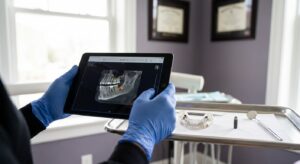
Advanced offices sometimes use digital x rays and 3D imaging to diagnose fractures and abscesses more accurately, which helps them treat your broken tooth efficiently and with less discomfort [1].
Tooth repair when the tooth can be saved
If the break is moderate and the root is still healthy, your dentist may repair the tooth with a filling or crown, depending on coverage. Some Medicaid programs pay for tooth colored fillings and certain restorative services in emergency situations [1].
For example, when a tooth has had a root canal, some plans will cover a crown to protect it, as is the case in Virginia [2]. Your coverage in Maryland may be similar or different, so it is important to work with your dentist to confirm benefits before treatment.
Tooth extraction when saving the tooth is not possible
In some cases, the safest solution is to remove the tooth. Medicaid emergency coverage commonly includes tooth extractions and related oral surgeries for trauma or severe disease [1].
Depending on your situation, you might need:
- Simple extractions for teeth that are visible and not severely broken below the gumline
- Surgical extractions for complex breaks, impacted teeth, or roots left behind
- Specialized care from an oral surgeon that takes medicaid, especially for wisdom teeth or complicated fractures
If you are worried about timing, you can look for same day tooth extraction medicaid providers or ask about medicaid emergency tooth removal when you call.
To better understand your options, you may also want to review how to get a tooth pulled with medicaid and free tooth extraction medicaid resources.
When you might be referred for oral surgery
Some broken teeth involve the roots, jawbone, or sinuses, or they may be associated with impacted wisdom teeth. In these cases, your general dentist may refer you to an oral surgeon who participates in Medicaid.
Medicaid adult dental benefits in some states specifically list oral surgery services like tooth extractions and surgery following trauma as covered services for eligible members [2]. In Maryland, coverage details may be similar for medically necessary procedures.
You might need an oral surgeon that takes medicaid if:
- The tooth is broken below the gumline
- You have a fractured jaw or facial bones from an accident
- Your wisdom teeth are infected, impacted, or severely decayed
For wisdom teeth specifically, you can explore wisdom tooth removal medicaid to better understand how coverage works for these procedures.
If you are unsure whether your case is considered oral surgery, ask the dentist during your exam. They will help you understand when medicaid oral surgery coverage applies.
Can you get implants after a broken tooth with Medicaid?
Once a broken tooth is removed, you may start thinking about replacement options like dental implants. Adults on Medicaid often ask whether their plan pays for implants, especially if the missing tooth affects their smile or chewing.
In most states, Medicaid coverage for dental implants is limited and focused on medical necessity rather than cosmetic reasons. Many adults will not have routine implant coverage, but there can be exceptions, such as serious jaw problems or reconstructive needs. Because these rules are complex, it helps to understand your plan and talk with a dentist that takes medicaid for implants.
To learn more, you can review:
- does medicaid cover dental implants
- medicaid dental implant coverage
- can you get dental implants with medicaid
- low cost dental implants medicaid
These resources explain when implants may be an option, what alternatives might be covered instead, and how to plan for costs if your Medicaid plan does not pay for implants.
Even if implants are not covered, your dentist can discuss other tooth replacement choices that may align with your benefits.
If you need a broken tooth Medicaid emergency dentist today, your first goal is to stop pain and infection. You can always explore long term replacement options, including implants, after your mouth has healed and your coverage is clear.
How to find a broken tooth Medicaid emergency dentist in Baltimore
When you are in pain, searching for a provider can feel overwhelming. A step by step approach makes the process more manageable.
-
Check your plan’s provider directory
Log in to your Maryland Medicaid or managed care plan portal and search for dental providers near your ZIP code. Filter for emergency or urgent care if that option is available. -
Call for same day or next day availability
Ask the office if they are an emergency dentist that takes medicaid and if they can see you the same day. Mention that you have a broken tooth, your pain level, and any swelling. -
Ask if they accept walk ins
If your situation is urgent and you cannot wait for an appointment, look for a walk in dentist that takes medicaid. Call ahead if possible so the office can prepare for your arrival. -
Confirm that they handle extractions and infections
Not every general dental office offers surgical procedures. When you call, ask if they perform extractions, root canals, or oral surgery for Medicaid patients, and whether they can coordinate a referral if needed. -
Bring your documents
Take your Medicaid card, a photo ID, a list of medications, and any previous dental records or x rays you might have. This speeds up registration and treatment.
If you have difficulty finding a provider, your plan’s member services line can often help connect you with urgent dental care that takes medicaid near you.
What to expect at your emergency appointment
Knowing what will happen when you see a broken tooth Medicaid emergency dentist can ease some of the stress.
Evaluation and diagnosis
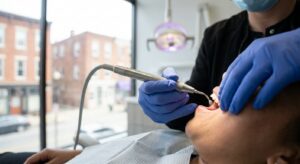
Your visit will begin with a medical and dental history, followed by an exam of the broken tooth and surrounding tissues. The dentist will usually take x rays to see the full extent of the damage and to check for infection or fractures below the gumline.
Some practices use digital x rays and 3D scanning to gather detailed information quickly, which helps them plan treatment and minimize discomfort [1].
Treatment plan and consent
After reviewing your x rays and exam findings, your dentist will:
- Explain the condition of the tooth and your options
- Discuss whether the tooth can be repaired or needs to be removed
- Review the risks and benefits of each choice
- Outline which steps are covered under your Medicaid plan, and which might not be
This is your opportunity to ask questions about pain control, healing time, and any follow up needed. If an extraction or oral surgery is recommended, you can also ask how medicaid emergency tooth removal works and whether you qualify for same day tooth extraction medicaid.
Immediate treatment
In many emergency visits, at least part of your treatment will be done the same day. This may include:
- Smoothing sharp edges or placing a temporary filling
- Opening and draining an abscess
- Starting antibiotics and pain medication
- Performing an extraction if needed and if your benefits and health status allow
If a procedure needs to be delayed, for example because you require a referral to an oral surgeon, your dentist will work to control infection and pain until definitive treatment can be completed.
Moving from emergency care to long term solutions
Once your broken tooth crisis is under control, you can focus on next steps. This might involve:
- Scheduling follow up visits to monitor healing
- Discussing options for replacing a missing tooth, such as bridges, partial dentures, or implants
- Reviewing how your Medicaid plan handles restorative and implant care with resources like dentist that takes medicaid for implants and medicaid dental implant coverage
If you needed multiple extractions, learning more about tooth extraction covered by medicaid and how to get a tooth pulled with medicaid can help you plan for any additional treatment that might be necessary.
By understanding what Medicaid usually covers, how to verify your benefits, and how to find a broken tooth Medicaid emergency dentist in Baltimore, you put yourself in a stronger position to protect your health, manage pain, and plan for the future of your smile.