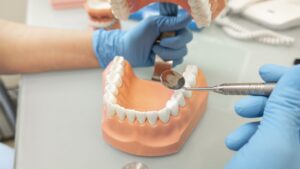

You may be facing sudden, intense tooth pain, swelling, or trauma that leaves you wondering whether you need an emergency dental extraction. Acting quickly can relieve agony, stop infections from spreading, and protect your overall health. In this guide, you’ll learn how to recognize the warning signs, stabilize your situation at home, choose the right care setting, understand the extraction process, manage recovery, handle costs, and prevent future crises.
Recognize emergency signs
Severe and persistent pain
- If your toothache intensifies to throbbing pain that keeps you awake or interferes with daily activities, you may need an emergency dental extraction
- Rinsing with warm water, flossing to remove debris, and applying a cold compress can bring temporary relief, but you should still see a toothache emergency dentist as soon as possible
- Never apply aspirin directly to gums or teeth—this can cause burns and worsen discomfort [1]
Gum or facial swelling
- Swollen gums, jaw, or face often signal a spreading infection such as a dental abscess
- In severe cases you might experience difficulty breathing or swallowing, which requires immediate attention [1]
- For urgent treatment of an abscess, consider dental-abscess-treatment-urgent
Trauma and knocked-out teeth
- A tooth knocked out by an accident or sports injury demands prompt action—your best chance of saving it is reinsertion within one hour [1]
- If you can’t reinsert the tooth, store it in milk or a specialized kit like Save-a-Tooth® until you reach a provider
- For urgent care after dental trauma, seek a dental-trauma-emergency-care clinic
Prepare first aid
Relieve pain at home
- Rinse your mouth with warm water to clean the area
- Gently use dental floss to remove trapped debris
- Apply a cold compress to your cheek to reduce swelling
- Take over-the-counter pain relievers such as acetaminophen, ibuprofen, or naproxen—follow dosing instructions [1]
- For immediate comfort, explore emergency-dental-pain-relief options
Control bleeding
- Apply firm pressure with a clean gauze pad or cotton ball for 10 to 15 minutes
- If bleeding continues, rinse gently with salt-water (1/2 teaspoon salt in 8 ounces of warm water) several times a day
- Persistent bleeding beyond 24 hours needs prompt professional evaluation
Preserve dislodged teeth
- Handle the tooth by its crown (the chewing surface), avoid touching the root
- Rinse under cool water—do not scrub or use soap
- Try reinsertion, but if that’s not possible, place the tooth in milk or saline solution
Seek professional evaluation
Dentist versus emergency room
- Emergency room: Offers pain relief with antibiotics or analgesics but cannot restore teeth with fillings or crowns [1]
- Dental clinic: Provides definitive treatment including extractions, restorations, and follow-up care
- Once stabilized in the ER, you’ll still need to see a dentist for an extraction or repair
Choosing the right clinic
- Look for a walk-in emergency dentist or dental emergency clinic with extended hours
- If your need arises after regular office times, an after hours dentist baltimore or 24/7 emergency dental care provider can help
- For Baltimore residents, consider scheduling an urgent dental appointment baltimore or visiting an emergency dentist baltimore
What to expect at your visit
- A thorough exam including X-rays to assess damage or infection
- Discussion of your medical history and any medications you’re taking
- A recommendation for extraction if the tooth is nonrestorable, overly infected, or severely damaged
Understand extraction types
Emergency versus regular extraction
| Feature | Emergency extraction | Regular extraction |
|---|---|---|
| Timing | Unplanned, same-day or walk-in | Scheduled during office hours |
| Pain relief | Immediate, unscheduled | Planned anesthetic |
| Planning | Minimal preparation | Comprehensive pre-op review |
| Use case | Severe pain, infection, trauma | Routine removal, crowding |
(Source: Robinhood Dental Practice)
Impacted wisdom tooth removal
- Impacted third molars often erupt at odd angles, causing pain, swelling, or infection
- When urgent extraction is necessary, an emergency-wisdom-tooth-removal can prevent rapid spread of inflammation [2]
Surgical versus simple extractions
- Simple extraction: Tooth visible above the gum line, removed under local anesthetic
- Surgical extraction: Involves incision of gum tissue and sometimes removal of bone to access the tooth
Know the extraction process
Preprocedure evaluation
- Your dentist will review X-rays to determine the tooth’s position and root shape
- A medical history check ensures there are no contraindications to anesthesia or antibiotics
Anesthesia and numbing
- Local anesthetic blocks pain in the extraction site
- For anxious patients or complex cases, sedation options include nitrous oxide or IV sedation
Tooth removal steps
- Luxation: The dentist uses specialized tools to loosen the tooth in its socket
- Extraction: The tooth is gently lifted or removed with forceps
- Socket cleaning: Any infected tissue or debris is cleared out
- Stitching (if needed): Sutures may be placed to aid healing
Manage recovery care
Control pain and swelling
- Expect peak discomfort within 24 to 48 hours, then steady improvement [3]
- Alternate ice packs and rest, keep your head elevated
- Take prescribed or recommended over-the-counter pain relievers on schedule
Prevent dry socket
- Dry socket (alveolar osteitis) arises when the blood clot dislodges or fails to form, exposing bone
- Incidence ranges from 0.5% to 5%, higher with smoking, difficult extractions, or poor oral hygiene [4]
- To avoid dry socket:
- Do not use straws or spit forcefully for at least 48 hours
- Eat soft foods and avoid crunchy or spicy items
- Rinse gently with salt-water after the first 24 hours
Maintain diet and hygiene
- Stick to cool or lukewarm soft foods: yogurt, applesauce, mashed potatoes
- Brush teeth normally but avoid the surgical area for 24 hours
- After meals, gently rinse with salt-water to keep the site clean
Watch for complications
- Excessive bleeding beyond 24 hours or large clots warrants a call to your dentist
- Signs of infection: fever, worsening pain, swelling, or pus
- Numbness lasting beyond a day may indicate nerve irritation—seek prompt evaluation
Explore cost options
Typical extraction costs
| Procedure type | Average cost per tooth |
|---|---|
| Simple extraction (visible tooth) | $130–$250 |
| Surgical extraction (bone removal) | $200–$1,000 |
| Wisdom tooth extraction (impacted) | $200–$1,000 |
(Source: Byte, Authority Dental)
Insurance and payment solutions
- Employer-provided dental plans often cover a portion of emergency extractions
- Private dental insurance, Medicaid (if eligible), or flexible spending accounts can reduce out-of-pocket costs
- Many practices offer in-house payment plans or financing through credit cards
- To confirm coverage, look for an emergency-dentist-accepting-insurance
Prevent future emergencies
Schedule regular checkups
- Biannual dental exams catch decay and infections early, often avoiding extractions
- Professional cleanings remove plaque build-up that can lead to abscesses
Practice good oral hygiene
- Brush twice daily with fluoride toothpaste
- Floss once a day to clean between teeth
- Use an antiseptic mouthwash to reduce bacterial load
Use protective measures
- Wear a mouthguard during contact sports to protect against chipped or knocked-out teeth [5]
- Address grinding (bruxism) with a nightguard to prevent fractures
Conclusion
Facing a dental crisis can be frightening, but knowing how to act makes all the difference. By recognizing warning signs, applying first-aid measures, and seeking timely professional care, you can secure the relief you need and preserve your oral health. If you suspect you need emergency dental extraction, don’t wait—contact an experienced provider for same day dental emergency or an urgent dental care baltimore appointment. Prompt action will ease your pain, prevent complications, and get you back to smiling comfortably.