Identify dental emergencies
When you’re in severe pain or facing damage to a tooth, locating an emergency tooth removal clinic can bring fast relief and prevent further complications. Emergency tooth extractions address issues ranging from unbearable pain to infected sockets. By understanding how to spot a genuine dental emergency, you can act quickly and protect your oral health.
Recognize severe symptoms
Dental emergencies often present with intense, persistent pain or visible trauma. Common warning signs include:
- Severe toothache that won’t subside with over-the-counter pain relievers [1]
- Swelling, redness, or bleeding around the gums
- A loose, broken or knocked-out tooth
- Signs of infection, such as fever, bad taste in your mouth or pus (typical of an abscessed tooth)
- Impacted wisdom teeth causing pressure, swelling or shifting of adjacent teeth [2]
If you notice any of these symptoms, you may need an emergency extraction rather than waiting for a routine appointment. Ignoring intense pain or infection risks spreading bacteria to other areas of your mouth or even your bloodstream.
Understand urgency levels
Not every dental issue requires immediate removal. You’ll typically face three urgency levels:
- Immediate (within hours): Severe pain, uncontrolled bleeding, visible infection or a completely knocked-out tooth.
- Urgent (within 24 hours): Broken brackets, deep cracks below the gum line or escalating swelling.
- Non-urgent (within days): Loose fillings, minor chips or discomfort that you can manage while scheduling emergency root canal treatment or treating dental abscess urgent.
Acting within the correct timeframe can reduce the likelihood of complications like a dry socket, worsening infection or jaw stiffness. If you’re ever unsure, contact a qualified dentist for advice rather than an emergency room, as ERs are not equipped for dental care [3].
Prepare for extraction
Once you know you need a rapid extraction, taking a few preparatory steps ensures your procedure goes smoothly. Gathering information and making arrangements beforehand helps you focus on relief.
Gather your medical history
Your dentist must be aware of any conditions or medications that could affect anesthesia or healing. Before your visit:
- List current medications, supplements and dosages
- Note any allergies, especially to anesthetics or pain medications
- Report chronic conditions like diabetes, heart disease or compromised immunity
- Inform about recent surgeries or treatments (chemotherapy, joint replacement)
This information helps your dentist tailor pain control and surgical protocols. For example, if you need urgent extraction with sedation, knowing your health background is essential for safe sedation planning.
Explore pain control options
Emergency clinics offer several levels of anesthesia:
- Local anesthesia: Numbs only the extraction site, you remain awake and alert
- Nitrous oxide (laughing gas): Reduces anxiety, keeps you conscious
- Oral sedation: Mild to moderate drowsiness via prescription medication
- IV sedation or general anesthesia: Complete relaxation or sleep, used for complex surgical extractions
Discuss which option suits your comfort level and medical history. If you have a strong gag reflex or high anxiety, you may request nitrous oxide or IV sedation to remain calm during your procedure.
Plan cost and insurance
Unexpected dental work can strain your budget. Typical fees for emergency extractions range widely:
| Procedure | Cost range | Recovery time |
|---|---|---|
| Simple emergency extraction | $75–$250 | 7–10 days |
| Surgical/impacted teeth extraction | $200–$600 | 4–6 weeks |
Data source: Ammons Dental
If you carry dental insurance, confirm coverage for emergency services. Many plans cover a portion of extraction fees. Ask about payment plans, CareCredit options or in-house financing. Understanding your out-of-pocket expenses lets you choose between an extraction only or bundled services like immediate implant placement.
Undergo emergency procedure
When you arrive at the clinic, the team will streamline care to address your pain promptly and safely. Knowing what to expect can ease your nerves and help you cooperate fully.
Arrive and initial exam
On arrival, the receptionist will gather your health history. You’ll see the dentist or oral surgeon shortly for:
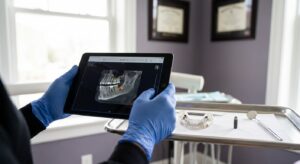
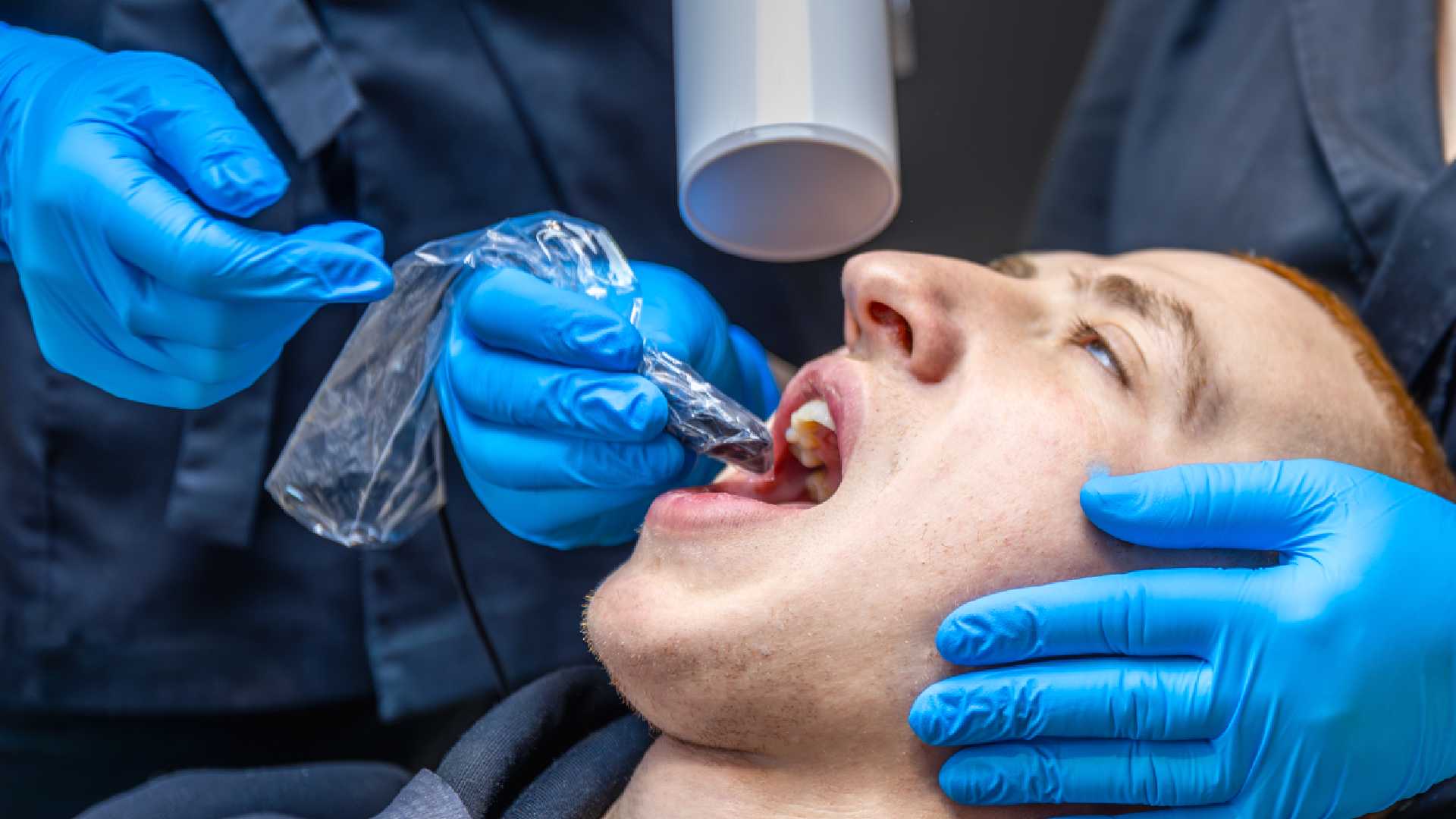
- A quick exam and X-rays to assess bone structure
- Confirmation of which tooth or teeth require removal
- Discussion of anesthesia plan and consent forms
Clinics specializing in emergency care often reserve slots for walk-ins or same-day appointments, ensuring you’re not left waiting in agony.
Receive anesthesia
Following your exam, the dentist administers anesthesia based on your selection:
- Local anesthetic injections around the tooth root
- Nitrous oxide via mask, if you requested laughing gas
- IV sedation through a secure line, monitored by a trained professional
You may feel slight pressure during anesthesia placement but not pain. The team monitors your vital signs if you’re sedated.
Extraction steps
The actual removal process typically takes 20–60 minutes [4]:
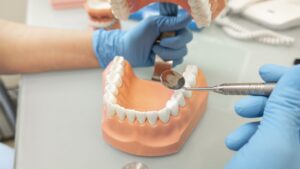
- Loosening the tooth: The dentist uses an elevator tool to create space in the socket
- Removing the tooth: Forceps grasp and extract the tooth, sometimes in sections for tough roots
- Socket management: Gauze is placed for bleeding control, and self-dissolving stitches may secure gum edges
- Post-op instructions: You’ll get care guidelines and prescriptions for antibiotics or pain relievers
If you need emergency removal of infected tooth due to abscess drainage, the dentist may also irrigate and drain any pus, then place a medicated dressing.
Manage post-extraction care
Proper aftercare is crucial to minimize discomfort, avoid infection and promote efficient healing. Follow your dentist’s guidelines closely.
Control bleeding and swelling
- Bite on gauze: Maintain firm, even pressure for 30–45 minutes
- Elevate your head: Keeps blood from pooling in the socket
- Apply cold packs: 15 minutes on, 15 minutes off for the first 24 hours
- Avoid spitting or sucking: No straw use, smoking or rigorous rinsing for 48 hours to protect the forming blood clot
Minor oozing after extraction is normal. If bleeding persists beyond a few hours or soaks multiple gauze pads, contact your dentist immediately.
Manage your pain
Your dentist may prescribe or recommend:
- Over-the-counter NSAIDs (ibuprofen) for mild to moderate pain
- Prescription opioids for severe pain, used sparingly
- Topical anesthetic gels for gum discomfort
Take medications with food to reduce stomach upset. Do not exceed the recommended dosage or mix prescriptions without approval.
Monitor for complications
Keep an eye out for warning signs:
- Dry socket: Severe throbbing pain starting 2–4 days post-extraction [5]
- Infection: Fever, increased swelling or pus drainage
- Nerve injury: Persistent numbness beyond 24 hours
If any of these occur, seek urgent care at an extraction after hours dentist or your emergency clinic. Early intervention prevents more serious issues.
Schedule follow-up visits
Most patients benefit from a check-in 1–2 weeks after extraction to:
- Ensure proper healing of bone and soft tissue
- Remove any non-dissolvable sutures if used
- Discuss replacement options like implants or bridges
Follow-up also allows for evaluation of adjacent teeth and soft tissue, keeping your mouth healthy beyond the extraction site.
Select the right clinic
Choosing a qualified emergency tooth removal clinic ensures you receive expert care, timely service and a comfortable environment when you need it most.
Look for specialized services
Not all dental offices offer emergency extractions. Seek clinics that provide:
- Walk-in or same-day appointments for pain relief [6]
- Sedation options for anxiety or complex cases [7]
- Combined services such as emergency endodontic services or emergency abscess drainage dental
- After-hours or weekend availability [8]
If you’re in Baltimore, for example, look into emergency oral surgery baltimore or emergency tooth extraction baltimore to avoid long travel.
Check clinic credentials
Validate that the clinic:
- Is licensed in your state and follows ADA guidelines
- Uses up-to-date sterilization and safety protocols
- Has staff trained in advanced life support for sedation
- Accepts your insurance or offers transparent pricing
Online reviews and professional affiliations can reveal patient experiences and clinic reliability.
Consider location and affordability
During a crisis, proximity matters. A nearby clinic reduces travel time, especially if you’re under sedation. Balance cost with quality: the lowest fee may not guarantee the best outcome. Ask about:
- Sliding-scale fees or in-house payment plans
- Third-party financing (CareCredit)
- Insurance partnerships
When affordability is a concern, community clinics or dental schools often provide emergency services at reduced rates under expert supervision [9].
By recognizing warning signs, preparing effectively, and selecting a reputable emergency tooth removal clinic, you’re in control of your dental emergency. Acting quickly not only relieves acute pain but also preserves your long-term oral health. Whenever you face severe discomfort, remember that targeted, professional care is just a clinic visit away.
References
- (Bright Smiles Dentist)
- (Jay Swanson DDS)
- (Emergency Dental of Colorado Springs)
- (Cleveland Clinic)
- (Emergency Dental Clinics)
- (urgent tooth removal service)
- (urgent extraction with sedation)
- (extraction after hours dentist)
- (University of Colorado School of Dental Medicine)