
If you’re experiencing sharp discomfort at the back of your mouth, you may be facing a dental emergency that demands timely action. Emergency wisdom tooth extraction can be necessary when pain, swelling, or infection indicate that waiting will only worsen your oral health. In this guide, you’ll learn how to recognize critical symptoms, understand common causes, seek immediate care, manage pain, and monitor your recovery. Whether you’re dealing with impacted wisdom teeth or an abscess, this information will help you act quickly and confidently.
Identify emergency signs
Severe pain patterns
When your wisdom tooth presses against gum tissue or adjacent teeth, you may feel intense throbbing or sharp pain at the back of your mouth. Often this discomfort radiates to your ear, jaw, or neck, making it difficult to eat, speak, or even rest [1]. Radiating pain that persists for more than a few hours is a clear sign you should not wait to seek help.
Signs of infection
Infections around a partially erupted wisdom tooth—known as pericoronitis—can cause gum swelling, a bad taste in your mouth, or difficulty chewing [1]. If you notice fever, swollen lymph nodes in your neck, or increasing discomfort despite over-the-counter medication, seek an evaluation right away. Untreated infections can spread to nearby tissues, escalating into a serious health issue.
Difficulty opening mouth
Inflammation around an impacted wisdom tooth can lead to trismus, or lockjaw, limiting how wide you can open your mouth or how easily you can swallow [1]. If you struggle to open your jaw more than a couple of centimeters, you should contact your dental provider immediately. This restricted movement not only indicates a severe problem but also complicates any routine examination or treatment.
Understand extraction causes
Impacted wisdom teeth
Wisdom teeth often lack enough space to emerge properly, becoming impacted beneath the gum line. These impacted teeth can press against adjacent molars or trap food and debris, leading to pain, inflammation, or infection. In some cases, cysts form around the impacted tooth, damaging the jawbone and oral tissue if left unaddressed [2]. Roughly 70% of individuals will require wisdom tooth removal at some point in their lifetime, though many won’t recognize they have an impaction until symptoms arise.
Pericoronitis and abscess
Pericoronitis affects the gum tissue around a partially erupted tooth, producing red, swollen, and tender areas prone to bacterial growth. When bacteria invade, pus pockets or abscesses can develop, causing throbbing pain, foul taste, and swelling known as “chipmunk cheeks” [2]. If an abscess forms, you may require emergency abscess drainage dental alongside extraction to resolve the infection effectively.
Damage to adjacent teeth
When an impacted wisdom tooth leans or presses against neighboring teeth, it can cause fractures, increased cavities, or gum disease in those teeth [1]. You may notice new sensitivity in adjacent molars, unexplained pain, or visible gaps forming between teeth. Removing the wisdom tooth can prevent further damage and protect your long-term oral health.
Severe decay and trauma
Traumatic injuries or deep cavities reaching the tooth’s pulp often necessitate emergency extraction. If a wisdom tooth is fractured or dislodged following an accident, or if decay has invaded the nerve, extraction may be the safest way to stop pain and infection [3]. Your dentist might discuss alternative treatments, such as emergency root canal treatment, if the anatomy allows, but extraction is often the most reliable option in severe cases.
Seek immediate care
Consultation and diagnosis
When you contact your dental office with a suspected wisdom tooth emergency, expect a thorough consultation. Your provider will review your medical history, examine your mouth, and likely order X-rays to assess the tooth’s position, root structure, and any surrounding infection [4]. Accurate imaging helps your dentist decide whether urgent extraction is necessary or if a less invasive approach is possible.
X-rays and imaging
Panoramic radiographs or cone beam computed tomography scans can reveal the exact angulation of impacted wisdom teeth and proximity to vital structures such as the sinus cavity or nerve canal [3]. This information informs the safest extraction route and predicts potential complications such as sinus communication or nerve injury.
Sedation options for comfort
To minimize anxiety and discomfort during emergency removal, your dentist may recommend sedation. Options range from oral sedatives and nitrous oxide to intravenous sedation and general anesthesia, depending on your medical history, anxiety level, and the complexity of the extraction [4]. Discuss your concerns and preferences openly to determine whether urgent extraction with sedation is right for you.
Procedure steps overview
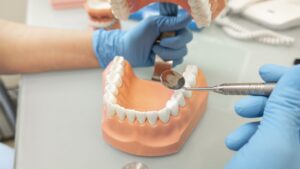
During the emergency wisdom tooth extraction, your dentist or oral surgeon uses specialized instruments to remove the tooth safely:
- Numbing the area with local or general anesthesia
- Using a dental elevator to widen the socket, apply pressure from multiple sides, and gently loosen the tooth [4]
- Extracting the tooth, sometimes in sections for severely impacted roots
- Cleaning the socket to remove debris or infection
- Closing any incisions with sutures and ensuring proper blood clot formation
Completing these steps efficiently reduces the risk of residual infection and promotes faster healing. If you’re considering after-hours care, look for an extraction after hours dentist to address your urgent needs promptly.
Manage pain effectively
Medication and prescription options
After your extraction, pain control is a top priority. Over-the-counter analgesics like ibuprofen or acetaminophen can offer initial relief. Your dentist may also prescribe stronger pain medications or antibiotics to manage swelling and prevent infection [5]. Follow dosing instructions closely and avoid NSAIDs if you have contraindications.
Over-the-counter relief
- Ibuprofen (200–400 mg every 6–8 hours as needed)
- Acetaminophen (500–650 mg every 4–6 hours, up to 3,000 mg daily)
Taking your first dose before numbness fully wears off can improve comfort and reduce inflammation.
Prescription pain management
If your dentist anticipates significant postoperative discomfort, they may prescribe opioids such as hydrocodone or oxycodone, often combined with acetaminophen. Reserve these for severe pain and follow instructions to reduce the risk of dependency.
Home care strategies
In addition to medication, you can use several techniques at home to ease pain and support healing:
- Apply ice packs to your cheeks in 20-minute intervals during the first 48 hours
- Rest with your head elevated to minimize swelling and bleeding
- Eat soft foods such as yogurt, applesauce, or soup, gradually reintroducing firmer textures
- Stay hydrated but avoid using straws, which can dislodge blood clots
- Gently rinse with salt water after 24 hours to prevent infection
Maintaining a clean extraction site and following these precautions will help you recover more comfortably. If bleeding or severe discomfort persists, you may need to contact your provider or visit an urgent tooth removal service.
Monitor recovery progress
Normal healing timeline
Understanding typical recovery stages helps you know what to expect:
- Days 1–3: Peak swelling and pain; bleeding should subside within 24 hours
- Days 4–7: Swelling decreases; bruising resolves; you may resume a more regular diet [6]
- Weeks 2–3: Soft tissue largely heals; discomfort fades
- Weeks 4–6: Bone healing continues, especially after surgical extractions [7]
- Months: Underlying bone remodeling completes
If you heal within these windows, you’re on track. However, ongoing pain or swelling beyond two weeks warrants a follow-up.
Watch for complications
While most patients recover smoothly, around 8.4% experience complications, and 5–10% develop dry socket, which prolongs recovery [8]. Signs you should report immediately include:
- Sharp, throbbing pain that radiates to your ear or temple, indicating dry socket [5]
- Foul taste or odor from the extraction site
- Fever above 100.4°F
- Persistent or increasing swelling
- Numbness or tingling in your lips, tongue, or chin, which could signal nerve injury [8]
- Clear fluid from your nose if the extraction site is close to your sinus
If these symptoms arise, you might need emergency pulp infection treatment or even emergency removal of infected tooth.
Prevent future issues
Oral hygiene routine
After you’ve healed, maintaining excellent oral hygiene reduces the risk of recurrence or new problems:
- Brush twice daily with a soft-bristled brush
- Floss once a day, reaching back to the extraction areas
- Use antibacterial mouthwash if recommended by your dentist
- Schedule regular professional cleanings
Proper oral care prevents plaque buildup and infections near the extraction site or remaining molars.
Regular dental check ups
Routine exams and X-rays every six months allow your dentist to spot potential impactions or third-molar issues before they become emergencies. Early removal of problematic teeth can spare you the pain and stress of an unplanned extraction.
Facing wisdom tooth pain can be daunting, but understanding the warning signs, causes, and steps involved in emergency wisdom tooth extraction empowers you to seek timely relief. By recognizing severe symptoms, securing prompt dental care, managing postoperative discomfort, and monitoring your recovery, you’ll reduce the risk of long-term complications and restore your oral health. If you ever have doubts about your healing progress or experience alarming symptoms, reach out to your dentist or consider specialized services such as painful tooth extraction urgent to address critical needs. With the right guidance and care, you’ll be back to a pain-free smile in no time.