
Choosing a Medicaid approved emergency dentist is often the first step in getting urgent dental care without the burden of excessive out-of-pocket costs. If you or a loved one is searching for efficient relief from intense tooth pain, infected gums, or broken restorations, selecting the right provider truly matters. Baltimore Emergency Dental stands out for delivering trauma-ready, no-wait treatment that aligns with Medicaid guidelines. In this comprehensive guide, you will discover how Medicaid dental benefits operate, why immediate intervention is essential, and how to identify the most supportive environment for your needs. By exploring the various coverage details—from children’s mandatory benefits to adult programs that vary widely—you can obtain the peace of mind you deserve when a dental crisis arises.
Understand the importance of coverage
Facing serious dental pain or injury often brings intense stress and uncertainty. You might worry about costs, treatment availability, and how quickly you can be seen by a dentist. Medicaid exists to help eligible individuals access critical health and dental services without incurring overwhelming financial strain. As a result, when you have Medicaid, you want to know that your emergency dentist is not only equipped to provide prompt treatment but is also dedicated to working within Medicaid’s guidelines.
Why coverage matters for urgent care
Without suitable coverage, some people put off seeking emergency dental intervention until complications become severe. Delaying care, however, can result in more extensive procedures later on. For instance, a small cavity could escalate into an abscess requiring surgical extraction if left untreated. By choosing a provider who readily accepts Medicaid, you can move forward with treatments like medicaid emergency tooth extraction or infection control more quickly. This proactive approach tends to reduce long-term costs, not to mention pain and potential complications.
Unique challenges in emergency dental services
Emergency dental care comes with unique challenges that set it apart from routine cleanings or checkups. The time-sensitive nature of emergencies often means that every hour counts in relieving pain or preventing further harm. The right clinic provides a supportive environment that offers not just physical relief but also emotional reassurance that recovery is within reach. A knowledgeable, empathetic staff will acknowledge the urgency of your situation, accommodating last-minute appointments or walk-in visits whenever possible. Their approach is based on comprehensive care that looks beyond the immediate pain, considering your overall oral health and well-being.
The supportive environment advantage
When you seek emergency treatment, it helps to find a provider who maintains an empathetic tone and a semi-formal but approachable style. Feeling heard and respected by dental professionals encourages open communication. You can express concerns such as fear of pain, past traumatic experiences, or anxiety about anesthesia. From there, individualized plans can be formulated to ease these concerns. This type of environment is crucial for establishing trust, so you feel fully informed and confident about the procedures you need.
Explore Medicaid dental benefits
Medicaid coverage for dental services varies significantly from one region to another, particularly for adults. Understanding these differences helps you avoid surprises when you arrive for an emergency procedure. Additionally, the structure of Medicaid coverage for children is far more comprehensive and follows mandatory guidelines established by federal law.
Mandatory coverage for children
If the patient is under 21, Medicaid covers a broad range of dental services, mandated through the Early and Periodic Screening, Diagnostic and Treatment (EPSDT) benefit (Medicaid.gov). States must provide routine screenings, cleanings, and other essential services based on periodicity schedules set by recognized dental organizations. Early intervention for minor issues is key to preventing severe conditions from worsening. As a result, if you are seeking care for your child, you can proceed confidently, knowing Medicaid must cover crucial treatments such as fillings, crowns, and sometimes orthodontic evaluations—provided they meet medical necessity criteria.
Adult coverage differences
While pediatric care is robust, adult coverage is optional under federal Medicaid guidelines. Many states choose to offer expanded coverage, including extractions, restorative procedures, and preventive services for adults, yet some only give emergency dental benefits. According to HHS.gov, less than half of all states supply comprehensive dental care for adult enrollees. In several places, coverage may center on emergency interventions for pain or infection rather than ongoing preventive treatments. Therefore, verifying your state’s policies can be vital. Even within the same state, coverage could differ depending on factors like your age group, pregnancy status, or any co-occurring conditions that might qualify you for a special program.
Below is a quick reference summarizing the adult coverage approaches taken by some states, based on public data:
| State | Adult Coverage |
|---|---|
| Arizona | Typically emergency-only (infections, severe pain) |
| Nevada | Emergency coverage, prior authorization for more care |
| Texas | Emergency coverage, some managed care expansions |
| Iowa | Dental Wellness Plan for many adult enrollees |
| Alabama | Coverage mainly during pregnancy or postpartum |
When searching for urgent care, it is crucial to investigate your local Medicaid guidelines or speak with your plan administrator. This ensures you are prepared for any co-payments, prior authorization forms, or network restrictions that might apply.
Children’s coverage vs. adult coverage
The stricter requirements for children’s coverage highlight an overall commitment to preventive and diagnostic measures. For younger enrollees, states must offer routine X-rays, professional cleanings, evaluations, fluoride shrewdly applied for cavity prevention, and even more advanced restorative work. In contrast, each state’s coverage for adults may hinge on budget constraints or public health priorities. Some states aim to keep broader coverage for all ages, while others concentrate on providing bare-bones or emergency-only services.
Importance of choosing a Medicaid-participating provider
Not all dental offices that accept Medicaid for some procedures will be able to offer the specialized emergency treatments you need. Finding a clinic that specifically offers medicaid urgent dental care can save you from scrambling during a crisis. Moreover, a consistent relationship with a Medicaid-participating provider can simplify communications about pre-approvals and claims, so you encounter fewer bureaucratic obstacles during a moment of pain or distress.
Choose immediate treatment solutions
When you experience persistent toothaches, abscesses, or chipped teeth, procrastinating can lead to severe complications. Your doctor might have explained that infections which start in the mouth can spread throughout the body, worsening overall health. Emergency-focused dental clinics address these concerns swiftly, reducing the potential need for hospitalization.
Same-day extractions and restorations
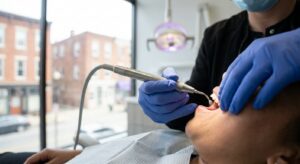
Whether you are dealing with an infected root or an unsalvageable tooth, same-day extractions can be a relief. The ability to handle extractions without lengthy scheduling delays is invaluable when every moment feels overwhelming. It is also reassuring to know some clinics offer same-day restorations to fill cavities, fix broken fillings, or cement a temporary crown. For instance, medicaid lost filling repair can be done quickly so that you do not have to live with prolonged pain or discomfort. Similarly, medicaid lost crown repair can restore your tooth’s functionality right away.
Addressing severe pain and infections
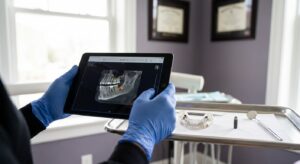
If your gums are inflamed, or if swelling beneath the tooth is creating unmanageable pain, an emergency clinic can expedite diagnosis and prescribe treatments like antibiotics or root canals right away. A thorough approach often includes taking high-resolution images, such as medicaid accepted 3d xray, to pinpoint the cause of your discomfort. Once the culprit is identified, immediate steps are taken to reduce swelling, eradicate bacteria, and preserve as much healthy tooth structure as possible.
For advanced cases, sedation options may be available to help you relax. Clinics offering medicaid sedation dental emergency can administer conscious sedation or nitrous oxide if you are highly anxious about invasive procedures. This supportive environment ensures minimal discomfort and a sense of security through every step of treatment.
Handling more complex restorations
Over time, some issues may worsen to the point where implants, bridges, or partial dentures become necessary. If your state’s Medicaid program covers these extensive procedures in certain circumstances, you should find a provider equipped to handle them. For example, you might consider investigating medicaid dental implant coverage to see if it applies to your situation. Not every facility can offer implant services, so confirm that your chosen clinic has the right credentials, including a medicaid board certified dentist, before committing to a long-term plan.
Discover specialized local options
If you live in or near Baltimore, having a trusted clinic like Baltimore Emergency Dental can make all the difference when crises occur. This facility emphasizes delivering immediate help for urgent conditions, such as cracked or infected teeth, on the very day you notice the problem. Their approach also extends beyond purely physical ailments, placing emphasis on creating a caring, empathetic culture that helps lessen worry and confusion.
Why choose Baltimore Emergency Dental
- No-wait policy: When you arrive in pain, they work to get you into the chair as swiftly as possible. That alone can ease a tremendous burden during a critical moment.
- Trauma-ready staff: The clinicians are experienced in working through cases of severe dental trauma, such as knocked-out teeth or deep cracks.
- Comprehensive care: Beyond extractions, the center offers multiple services. If you are also dealing with tender gums, you can benefit from medicaid dental infection treatment or restorative procedures.
- Compassionate environment: The practice operates on a medicaid judgment free clinic model. This means staff members focus on solutions, not blame. From the moment you walk in, they aim to address your unique challenges with dignity and respect.
- Transparent approach: Billing can be complex for Medicaid recipients. Baltimore Emergency Dental addresses this by providing transparent medicaid dental pricing and easy-to-understand payment terms.
Availability of same-day services
Not needing to endure weeks of pain or uncertainty because of scheduling delays can be life-changing. For instance, if you suspect you need an emergency extraction, Baltimore Emergency Dental provides medicaid same day dental care. Similarly, if you need sedation for comfort, you can inquire about their sedation protocols. This alleviates worry for people who fear dentist visits or who find it difficult to manage multiple appointments.
Working within Medicaid limits
One of the biggest hurdles for people seeking urgent care is confusion over Medicaid’s limitations. By choosing a medicaid patient friendly dentist, you can work via standard claim processes without negotiating complicated out-of-pocket expenses you did not expect. If sedation is critical, or if specialized imaging is required, staff can check if such services are permissible under your plan. Some states do cover sedation or advanced 3D imaging, particularly for complicated oral surgeries, but verifying these details in advance ensures there are no last-minute surprises.
Financial assistance and flexible options
When out-of-pocket expenses arise due to certain uncovered procedures, you should be aware that some clinics allow installment payments or offer medicaid financing dental. If you qualify for cost exemptions, you might also pursue no out of pocket medicaid dental. This array of options ensures that finances do not need to be a roadblock to immediate pain relief.
Ensuring lasting results
Beyond urgent interventions, a well-structured aftercare plan enhances the likelihood of a successful outcome. Specific to Medicaid recipients, medicaid aftercare dental services might sponsor follow-up checkups or preventative measures. When infection or severe damage has been treated, addressing root causes such as poor oral hygiene or certain chronic conditions can help you avoid repeating the same emergency. Checking if your provider offers long-term strategies such as periodontal maintenance can be beneficial if you have a history of gum disease or bone loss.
Embrace comprehensive care pathways
Although emergency intervention is the immediate concern, long-term oral wellness hinges on preventive strategies and routine checkups. Regular brushing, flossing, and professional cleanings are just the beginning. By establishing a strong relationship with a Medicaid-participating clinic, you can form an individualized plan that addresses your potential risk areas, whether those are cavities, receding gums, or the need for ongoing restorative work.
Individualized plans for every patient
Each person’s oral health journey is different. Some individuals require extensive restorations, while others primarily need standard screenings to remain problem-free. A skilled team will craft a plan tailored to you by looking at factors such as:
- Age and current oral health status
- History of dental trauma
- Chronic illnesses or conditions that could affect your gums
- Past experiences of delayed care, neglect, or fear of dental treatment
Such plans detail the specific frequency of exams and cleanings recommended for you, as well as potential sedation methods if anxiety is a concern.
Ongoing support for lasting outcomes
The best clinics do not just fix a broken tooth and send you on your way; they serve as advocates for your enduring health. Alongside emergency treatments, they might help you schedule routine checkups or connect with specialized providers for services like orthodontics or periodontics. In addition, many providers now incorporate educational materials about nutrition, smoking cessation, or lifestyle changes to support comprehensive well-being. This approach eliminates the sense of frustration that can emerge if you solve the short-term crisis but have no guidance for preventing the next one.
Harnessing deeper resources
If you have unique needs—like an underlying medical condition that complicates dental procedures—search for clinics that engage with local health networks for a more integrated form of care. This could mean coordinating sedation with hospital-based anesthesiologists or working alongside medical specialists who oversee your heart, kidney, or diabetic conditions. A supportive environment that understands the complexities of combining multiple treatments makes it easier to tackle emergency events swiftly and safely.
Consider state variations and updates
Because Medicaid rules can shift over time, staying current with your state’s regulations is wise. For example, in 2010 the Centers for Medicare & Medicaid Services (CMS) launched an Oral Health Initiative (OHI) in an effort to widen the scope of dental care for Medicaid beneficiaries (Medicaid.gov). This expanded coverage, especially for children, and encouraged states to enhance adult benefits wherever feasible. The initiative was updated in 2023 with recommendations to broaden coverage further, introducing new guidelines for measuring dental quality metrics and bridging gaps in access. Although not all changes are implemented uniformly, you can check your state’s official Medicaid site or talk to social services about the latest improvements.
Review frequently asked questions
Below are some common questions people ask about emergency dental care under Medicaid. Use this as a quick overview, but be sure to contact your plan administrator for the most accurate, personalized details.
-
Does Medicaid cover emergency dental services?
Yes, all states must cover emergency dental care for children. Adult coverage, however, varies widely, and some states only cover life-threatening or urgent situations. Confirm your state guidelines if you need more than pain-relief measures or extractions. -
Do all states have the same coverage for adult Medicaid recipients?
No. While nearly every state covers preventive and restorative services for individuals under 21, adult benefits differ. Some states offer comprehensive treatment, while others focus on emergency-only services like addressing severe pain or infection. -
Do I have to pay anything out of pocket for emergency dental care through Medicaid?
Depending on your state, co-pays, and your specific plan, some procedures may require a minimal contribution or co-payment. Many programs, though, strive to keep these costs low or nonexistent. If cost is a concern, ask the clinic about no out of pocket medicaid dental. -
How do I find a Medicaid clinic that can handle same-day treatments?
Seek out providers specializing in urgent or walk-in care. Clinics labeled as a medicaid walk in dentist often accommodate same-day visits for severe toothaches, infections, or broken restorations. -
What if I need sedation for my emergency procedure?
Sedation coverage depends on state rules. Some Medicaid programs allow for conscious sedation or nitrous oxide in emergency scenarios, while others do not. If sedation is crucial, contact a provider that offers a medicaid sedation dental emergency service and verify your plan’s limitations.
Conclusion
Securing timely, effective treatment from a reliable provider can be the difference between a minor toothache and a serious, long-term health issue. Understanding how your Medicaid coverage intersects with the need for emergency dental care empowers you to make confident choices when every minute matters. The role of a supportive, empathetic clinic cannot be overstated: by combining a compassionate atmosphere, specialized expertise, and the flexibility to handle abrupt oral crises, these providers ensure that your well-being comes first.
Baltimore Emergency Dental underscores the benefits of choosing a team that values both prompt response and personalized care for anyone facing severe discomfort. By offering same-day extractions, infection control, and sedation options, they help patients address problems before they escalate. Their commitment to working hand in hand with Medicaid’s guidelines means you can focus on regaining your dental health rather than wrestling with complicated cost issues or delayed procedures.
Whether you need an urgent appointment tonight or want to prepare for those unpredictable dental emergencies, start by investigating your state’s Medicaid regulations and verifying that your chosen clinic is fully equipped to meet your needs. The right partnerships, resources, and environment will provide you with the support necessary to achieve lasting comfort and peace of mind. If you are in the Baltimore area, you can rest assured that Baltimore Emergency Dental is ready to serve you when you need it most. They offer compassionate, individualized plans and a robust range of solutions so you never have to face a dental crisis alone.