Understanding how Medicaid can help with urgent dental needs can make a tremendous difference when you are in severe pain and require immediate relief. Medicaid emergency tooth extraction covers much of the cost for individuals who qualify, ensuring that financial worries do not delay essential care. By opting for a reliable provider, such as Baltimore Emergency Dental, you or a loved one can receive prompt attention, same-day extractions, and pain-relief restorations with minimal hassle. Below, you will find a detailed guide explaining how Medicaid coverage for tooth extractions works, which services you might expect, and why an empathetic, supportive environment is key to a successful outcome.
Understand Medicaid emergency extraction
Receiving an urgent tooth extraction can be vital for your well-being, especially when a severe infection or fracture threatens to escalate into more serious complications. Medicaid emergency tooth extraction is designed to address this pressing need, allowing you to obtain swift, essential treatment without facing an extreme financial burden. By recognizing how Medicaid can step in to ease costs, you will be more prepared to take care of your oral health at any stage.
An urgent path to relief
When you are battling unbearable tooth pain, every minute can feel like an eternity. A decaying or damaged tooth may lead to infections, swelling, and even difficulty sleeping or eating. Such complications have an impact on your day-to-day comfort and can potentially escalate if not addressed timely.
- Severe toothache: Persistent discomfort often indicates underlying decay or infection. Extraction may be the only way to prevent further complications.
- Chipped or cracked tooth: If left unattended, a fracture can extend into the tooth root, leading to infection or nerve damage.
- Broken dentures: Although not a tooth extraction scenario, urgent dental assistance is still crucial. This highlights the need for fast, accessible care in various dental emergencies.
By opting for an immediate and professional removal of a problematic tooth, you reduce the risk of the infection spreading to other areas of the mouth and lessen the possibility of developing long-term complications. You also sidestep days or weeks of ongoing, unmanageable pain.
Key coverage insights
Understanding the fundamentals of Medicaid can help you navigate your emergency extraction benefits:
- Medicaid eligibility varies by state, but generally covers low-income individuals, families, seniors, and people with disabilities.
- Children under 21 enrolled in Medicaid and the Children’s Health Insurance Program (CHIP) automatically receive full dental benefits in all states (GoodRx).
- Most states also offer coverage for adults, although the extent of benefits varies significantly. Some states only provide emergency coverage, such as tooth extractions for infection or severe pain, whereas others extend to preventative and restorative treatments.
- According to research, many states have expanded their Medicaid coverage to include select diagnostic, preventive, and in some cases, restorative procedures. However, check your local policies for precise details about what is covered.
Wherever you live, it is important to know that if you meet Medicaid’s eligibility criteria, you can likely receive financial help for your urgent extraction. By leveraging this support, you can focus on healing rather than becoming overwhelmed by out-of-pocket costs.
Explore coverage variations
While every state must offer at least some form of dental coverage for children on Medicaid, adult benefits vary widely. For an emergency tooth extraction, you likely qualify if you have severe pain, infection, or risk of further complications. However, not all states interpret the concept of “emergency” equally, so understanding coverage in your region can help you plan effectively.
Who qualifies for emergency extraction
In many cases, an adult on Medicaid will qualify for emergency extraction if:
- The tooth is abscessed or infected.
- The patient is experiencing intense, ongoing pain.
- There is a clear medical necessity to remove the tooth to avoid worsening health problems.
- The patient meets state-determined eligibility in terms of income or other factors.
Many states, including Texas and Arizona, specifically provide emergency-only dental coverage for adults who would otherwise go without routine or preventive benefits (GoodRx). In such a scenario, your dentist will typically prepare documentation or evidence showing that an extraction is essential for your health and comfort.
State variations in coverage
Below is a simplified comparison table that illustrates certain differences in Medicaid benefits for adult dental coverage. Keep in mind that changes may occur over time, so confirm the latest specifics with your state Medicaid office.
| State | Coverage Type | Examples of Benefits |
|---|---|---|
| Arizona | Emergency-Only | Tooth extractions, infection control |
| California | Expanded Adult Dental | Preventive services, fillings, limited root canals |
| Texas | Emergency-Only | Extractions for acute pain or severe infection |
| New York | Expanded Adult Dental | Preventive services, extractions, and certain restorations |
In states that only offer emergency assistance (like Arizona or Texas), “emergency” typically implies infection, trauma, or acute conditions. This approach ensures that you still have access to the care necessary to prevent escalated problems stemming from an unhealthy or severely damaged tooth.
Recognize critical emergencies
Dental emergencies encompass more than just a chipped tooth. Being aware of what falls under an urgent need helps you decide when to call a professional:
- Severe toothache or sudden swelling affecting breathing or swallowing.
- Bacterial infection or abscess in the tooth or gum.
- Cracked or broken tooth exposing the nerve.
- Ongoing pain after a filling, crown, or similar procedure.
- Painful swelling along the jaw or face that could signify spreading infection.
These symptoms require prompt action. Many providers, such as Aspen Dental, highlight these scenarios as emergencies and encourage patients to avoid waiting in hospital emergency rooms that may not be equipped for specialized dental care. When you know the difference between urgent and non-urgent dental needs, you can act quickly to prevent further complications.
Discover your treatment process
Seeking a Medicaid emergency tooth extraction involves several steps to ensure a smooth experience. Although every situation differs slightly, you can expect these core phases:
-
Initial consultation
Your journey usually begins with a phone call or a walk-in appointment. Some clinics offer same-day appointments, optimizing your time and alleviating immediate discomfort. -
Evaluation and diagnosis
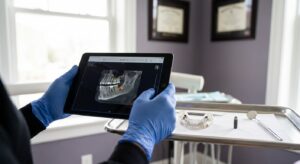
The dental team examines your tooth and surrounding structures using X-rays or 3D imaging. If you live in an area where advanced imaging is accepted, you may benefit from medicaid accepted 3d xray, which can deliver clearer images for complex extractions or identifying nerve pathways. -
Review of medical history
A thorough check of your medical background helps confirm that an extraction is safe. Providers will ask about allergies, current medications, and any chronic health conditions. -
Treatment plan and coverage
The next step is to discuss the cost and confirm that your Medicaid plan covers the emergency procedure. Before finalizing the approach, the dental team clarifies your financial obligations, if any. -
Tooth extraction
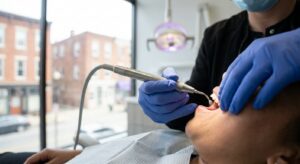
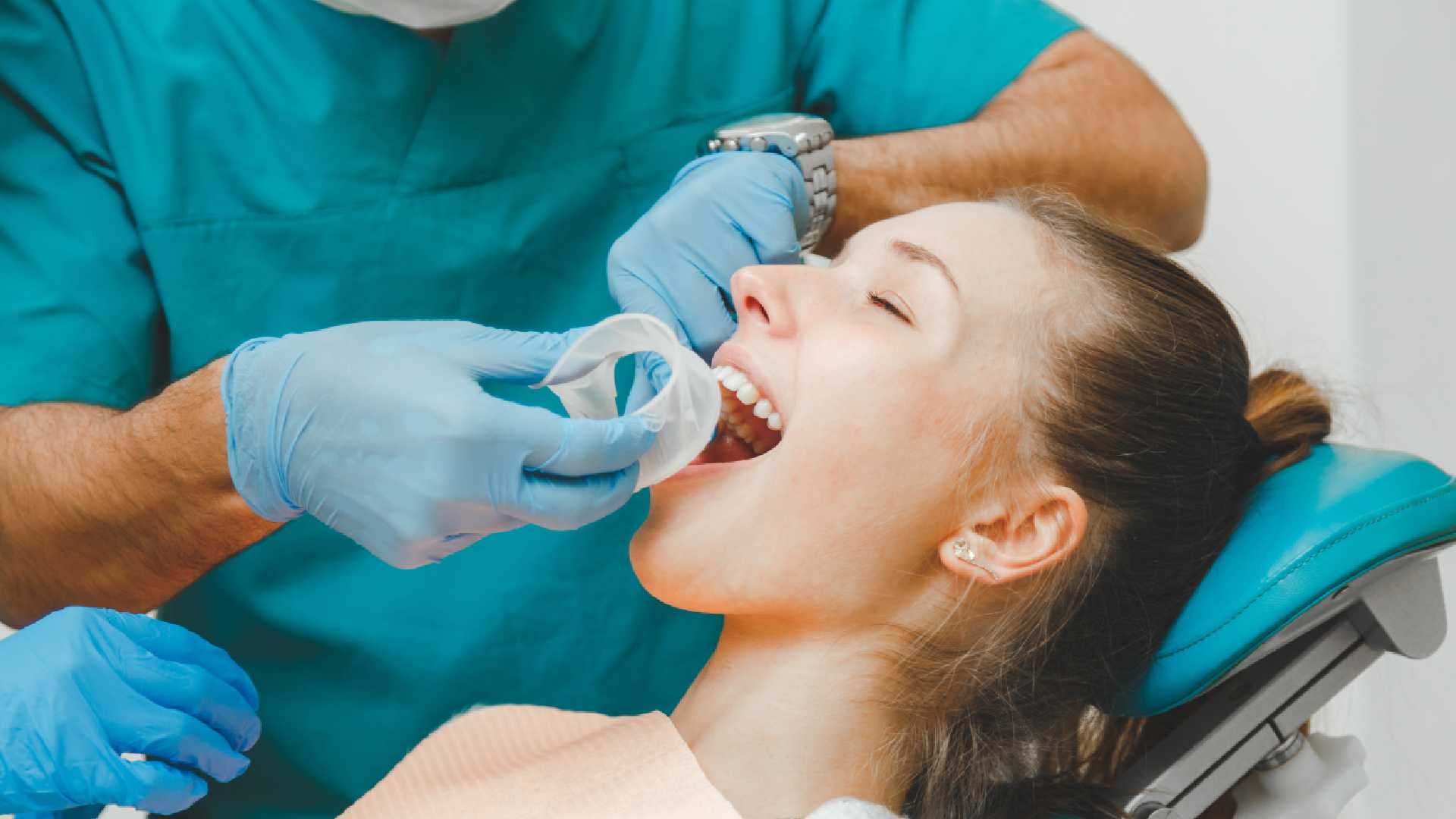
The dentist or oral surgeon numbs the treatment area and carefully removes the problematic tooth. In some circumstances, sedation might be necessary for anxiety or complex extractions. Should you need sedation, medicaid sedation dental emergency coverage can be explored in your state. -
Aftercare and follow-up
Your provider will recommend guidelines to facilitate healing, such as gentle rinsing, rest, and instructions for pain management. For an ongoing care plan, you might consider connecting with a medicaid aftercare dental services provider.
By understanding the basic flow of this process, you can feel more at ease, knowing each step aims to preserve your oral health and reduce any lingering pain as quickly as possible.
Choose a reliable provider
When it comes to urgent treatments, a qualified, compassionate, and trauma-ready clinic makes all the difference. At Baltimore Emergency Dental, you will find board-certified professionals who understand the discomfort and stress that accompany dental emergencies. More importantly, you will discover a judgment-free environment where your comfort and well-being come first.
Why Baltimore Emergency Dental stands out
Baltimore Emergency Dental focuses on meeting patients’ urgent dental care needs, handling everything from same-day extractions to pain-relief restorations. You can trust their approach to prioritize comfort, personalized service, and a welcoming atmosphere. Their objective is twofold: to alleviate your immediate discomfort and to guide you toward long-term oral health.
- No-wait care: Emergencies cannot wait. Baltimore Emergency Dental aims to reduce wait times so you receive immediate attention.
- Compassionate environment: Handling unexpected tooth pain calls for empathy and attentive care. The clinic maintains a patient-centered structure, making you feel supported.
- Comprehensive services: Beyond extracting painful or damaged teeth, Baltimore Emergency Dental provides further restorative treatments. If you end up considering implants, you might explore medicaid coverage dental implants.
- Transparent pricing: Understanding costs is as important as relieving pain. If you want to explore financing options, you can look into medicaid financing dental.
By choosing a provider with deep expertise in urgent dentistry, you equip yourself with faster interventions and fewer complications. You also establish a foundation of trust and comfort that can positively shape your approach to ongoing dental care.
Creating a supportive environment
Just as many people facing health challenges might feel anxiety or vulnerability, those needing emergency dental work can find reassurance in a center that fosters hope, understanding, and mutual respect. A provider with a supportive environment:
- Emphasizes a non-judgmental stance, making it easier for you to discuss past oral health issues or hesitations about seeking treatment.
- Encourages open communication about your concerns and the details of each step in a procedure.
- Offers tailored guidance so that after your procedure, you know exactly how to achieve steady healing.
From your initial approach to the aftercare phase, the environment you choose can significantly influence both your experience and the pace of your recovery. This is vital when you consider the urgency and discomfort behind an emergency extraction.
Manage additional concerns
Sometimes, an urgent tooth extraction is not the only requirement. You might also need additional treatments for your gums or adjacent teeth, or you may even want to address issues like lost fillings or crowns. Fortunately, a range of specialized Medicaid-accepted services can help you tackle these concerns. Below are a few scenarios:
- Infection treatment: If your initial concern is severe pain accompanied by swelling, medicaid dental infection treatment can be part of your plan. Your dentist will evaluate if antibiotics or immediate extraction is the right course of action.
- Lost fillings or crowns: A lost filling can expose sensitive areas of your tooth, leading to pain or infection without prompt attention. Explore medicaid lost filling repair and medicaid lost crown repair for repair solutions.
- Walk-in urgency: If you cannot wait for an appointment, a medicaid walk in dentist can deliver faster help for your unexpected emergency.
By tying these services into a broader approach, you reduce the likelihood of neglected issues that could escalate over time.
Plan for pain relief
Facing tooth pain can be mentally and physically draining. A multipronged plan helps ensure you can bounce back quickly and confidently after your extraction. Consider these practical approaches:
- Prescribed medication
Your dentist may suggest a painkiller to ease discomfort. Medicaid often covers medically necessary prescriptions related to extractions. - Proper hygiene
Follow your dentist’s instructions regarding gentle rinsing, meal planning, and oral care products. This will help the extraction site heal faster and reduce the risk of infection. - Lifestyle adjustments
For a short period, avoid hard foods, smoking, or intense physical activity, which can disrupt the clot and slow healing. - Professional follow-up
Regular checkups and easy-to-schedule appointments help ensure that healing proceeds as expected and that complications do not arise.
Ultimately, approaching your recovery thoughtfully can make a substantial difference in how quickly you regain normal eating habits and comfort levels.
Embrace long-term solutions
Depending on your oral health history, you could be thinking about more permanent solutions for your missing tooth, such as dental implants. When you lose a tooth due to acute infection or damage, the remaining gap may cause your other teeth to shift, impacting your bite stability. Medicaid acceptance for implants varies by state, but it may be a viable option if you suffer from chronic issues. If you feel this might be right for you, consider exploring medicaid dental implant coverage or medicaid coverage dental implants. By remaining proactive, you can continually advocate for your best oral health outcomes.
Address costs effectively
While Medicaid coverage significantly reduces the overall expense, you might still face minimal out-of-pocket costs in certain states or for specific procedures. If budget is a concern for you, the following strategies can help:
- Confirm your plan benefits
Each Medicaid program determines which procedures it deems necessary for coverage. Ensure you clarify what your plan includes before proceeding with extensive treatments. - Discuss financing options
At Baltimore Emergency Dental, you can inquire about medicaid financing dental. This allows you to break down any remaining deductible or co-pay into manageable installments. - Look into no out-of-pocket options
In certain scenarios, your emergency extraction might have no additional expenses. You can learn more about the possibility of no out of pocket medicaid dental. - Seek transparent quotes
If you prefer a clear understanding of potential costs early on, consider clinics that offer transparent medicaid dental pricing.
When you plan effectively, you minimize financial strain and maintain your focus on a swift recovery process.
Foster trust for lasting care
Establishing trust with your dental provider can set the stage for ongoing care that addresses emergencies as well as preventative measures. Whether you need an extraction today or a routine cleaning next month, a solid patient-practitioner bond helps you feel more at ease discussing all aspects of your health. A high standard of patient care includes:
- Tailoring treatment: Adjusting procedures to accommodate any particular sensitivities or past dental trauma you may have experienced.
- Ensuring consistent coverage: Having a provider who can guide you through Medicaid eligibility or plan changes, such as medicaid eligibility dental care.
- Working toward total wellness: Combining emergency responses with preventative treatments for a stronger, healthier smile in the long term.
For many, dental care can evoke anxiety or uncertainty. Building a relationship marked by empathy and expertise can significantly reduce these feelings. You deserve a provider who recognizes your unique situation, respects your concerns, and offers the support necessary for lasting oral health improvements.
Answer common questions
Below are five frequently asked questions about Medicaid emergency tooth extraction. These concise responses enable you to make more informed decisions about seeking urgent dental care.
-
How quickly can I get an emergency extraction with Medicaid?
You can often receive same-day service or a next-day appointment, depending on availability. Many clinics, including Baltimore Emergency Dental, prioritize urgent cases and reduce wait times to address pain effectively. -
Does Medicaid cover all necessary pain medication?
Medicaid typically covers prescription pain medications when they are deemed medically necessary following an extraction. However, coverage specifics may vary by state, so always verify your plan’s guidelines. -
What if I need follow-up treatments after my extraction?
Follow-up appointments to monitor healing are often covered as part of your emergency treatment, but any additional procedures (like implants or major restorations) may require separate approval. Check your state’s rules for any prior authorization requirements. -
Can I get sedation for my extraction under Medicaid?
In certain instances, sedation is covered if your dentist considers it medically necessary for a complex or anxiety-inducing procedure. You can explore medicaid sedation dental emergency to see if your local program includes sedation benefits. -
Do children automatically receive emergency dental coverage?
Yes. Federal law mandates that all states provide comprehensive dental coverage to Medicaid-enrolled children under 21, including urgent extractions, routine checkups, and preventive services.
By addressing these points, you can feel more comfortable seeking immediate help. Being knowledgeable is the first step to eliminating confusion and gaining control over pain.
In conclusion, Medicaid emergency tooth extraction offers a critical lifeline when you or a loved one faces sudden dental trauma, severe pain, or advanced infection. By working with the right provider, you ensure that you receive compassionate, efficient care tailored to your exact needs. For residents of Baltimore and surrounding areas, Baltimore Emergency Dental delivers a patient-focused experience that combines advanced services, empathetic support, and comprehensive Medicaid acceptance. With the financial burden eased and a localized team of experts on your side, you will be well on your path to pain relief and a healthier, more stable smile.