
Understanding how Medicaid can help in Baltimore
If you are in pain, have a broken or infected tooth, or have been told you might need a tooth pulled, it is natural to worry about the cost. The good news is that in many situations, a tooth extraction is covered by Medicaid when it is considered medically necessary. Understanding how Medicaid works in Maryland and what is typically covered can help you get the treatment you need quickly and affordably.
You are not alone in wondering whether Medicaid will pay for an extraction, emergency visit, or even an implant. Across the country, states structure their adult dental benefits differently, and coverage for tooth extraction is a core part of many benefit packages [1]. The key is knowing what counts as medically necessary, how to confirm your benefits, and where to go in Baltimore for a dentist or oral surgeon who accepts your plan.
What “tooth extraction covered by Medicaid” really means
When you hear that a tooth extraction is covered by Medicaid, it usually refers to medically necessary care, not cosmetic or elective procedures. Medicaid is designed to treat disease, infection, and functional problems, especially when delaying care could make your condition worse.
In practical terms, this often includes extractions for:
- Severe tooth decay that cannot be restored
- Painful dental infections or abscesses
- Broken or fractured teeth that cannot be repaired
- Advanced gum disease that makes a tooth loose
- Impacted teeth that are causing pain or damaging nearby teeth
Many state Medicaid programs specifically track whether adult dental packages include procedures like tooth extractions [1]. If you are in Baltimore and you have Maryland Medicaid, your coverage for an extraction will usually depend on the medical necessity of the procedure, the type of tooth, and whether you are seeing a dentist or an oral surgeon.
If you want a deeper dive into the basics, you can explore more detail on does medicaid cover tooth extraction.
How Maryland Medicaid typically covers extractions
Maryland Medicaid benefits can be different from programs in other states, so you always want to look at your specific plan. However, there are some common patterns you can expect when you seek care in Baltimore.
Medically necessary vs elective procedures
Medically necessary care usually includes treatment that:
- Relieves pain
- Treats infection
- Prevents serious complications
- Restores basic function, such as chewing
If your tooth is infected, fractured, or non-restorable, an extraction is more likely to be covered than if you simply prefer to remove a tooth that could otherwise be saved. Across states, tooth extractions are a core part of adult dental benefit packages because they are often needed to control infection and protect overall health [1].
Routine vs surgical extractions
Your coverage can also depend on the type of extraction:
- Simple or routine extraction, when the tooth is visible and can be loosened and removed with standard instruments
- Surgical extraction, when the tooth is broken under the gum, impacted, or requires cutting the gum or bone to remove
When the situation is more complex, you may be referred to an oral surgeon that takes medicaid. Your Medicaid plan can still cover the procedure if it meets medical necessity rules, but prior authorization might be required in some cases.
Special situations and expanded benefits
Some states expand adult dental benefits for specific groups. For example, Utah expanded adult dental benefits to cover exams, x rays, cleanings, fillings, crowns, root canals, dentures, and tooth extractions for all adults effective April 1, 2025 [1]. Nevada is adding limited restorative dental benefits for adults with diabetes, which may include extractions, under an 1115 waiver expected to start in 2025 [1].
Other states, such as Arkansas, have increased annual benefit maximums for adults with special needs and raised reimbursement rates for oral and maxillofacial surgeons who perform tooth extractions [1]. While these examples are outside Maryland, they show how strongly Medicaid systems view extractions as an essential service rather than optional care.
If you are pregnant or recently had a baby, your benefits may also be more generous. Some Medicaid programs provide comprehensive dental coverage, including tooth extractions, for pregnant and postpartum adults because untreated infections can affect both the parent and baby [1].
When an emergency tooth extraction is needed
Delaying care can turn a small problem into an emergency. If you are in Baltimore and you have intense pain or swelling, do not wait to see if it will go away. Emergency extractions are often covered by Medicaid because they are needed to control infection and relieve severe symptoms.
Signs you may need an urgent extraction
Pay close attention to your symptoms. You should seek emergency dental care if you notice:
- Throbbing or sharp pain that does not improve with over the counter pain medication
- Swelling in your face, jaw, or gums
- A bad taste in your mouth or pus around the tooth
- Fever, chills, or feeling unwell along with tooth pain
- Difficulty swallowing or breathing
- A broken or cracked tooth that is exposing the nerve
These are signs that infection is present or spreading. In these situations, waiting can lead to serious complications. You can look for an emergency dentist that takes medicaid in Baltimore who can see you quickly and determine whether an extraction is needed right away.
Same day and walk in options
If you need help today, you can often find:
- A same day tooth extraction medicaid provider when the tooth is clearly non restorable
- A walk in dentist that takes medicaid for triage, x rays, and pain management
- Urgent dental care that takes medicaid for infections, abscesses, or trauma
For many emergencies, your Medicaid plan can help with the cost of the visit and the tooth removal when it is documented as medically necessary. If you are dealing with severe pain, do not hesitate to look for medicaid emergency tooth removal resources.
Step by step: how to get a tooth pulled with Medicaid in Baltimore
Knowing the steps ahead of time can make the process smoother. You want to avoid delays and surprise bills as much as you can, especially when you are already in pain.
1. Confirm that you are actively enrolled
Before you schedule a visit, verify that:
- Your Medicaid coverage is active
- You have your Medicaid ID number
- You know your plan type or managed care organization if applicable
You can usually check this online through your state portal or by calling the member services number on your card. If there is an issue, resolve it first so there are no problems with billing when you arrive at the dental office.
2. Verify that the dentist accepts your Medicaid plan
Not all providers take every Medicaid plan. When you call a dental office, ask specifically:
- Do you accept my exact Medicaid plan or managed care organization
- Are you a medicaid dentist accepting new patients
- Do you provide extractions in your office, and if not, do you refer to an oral surgeon who takes Medicaid
If you already know that you need oral surgery, you can start your search with an oral surgeon that takes medicaid, especially for wisdom teeth or complex extractions.
3. Schedule an exam and x rays
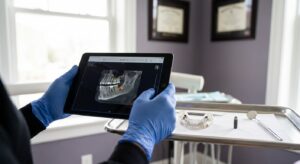
In most cases, the dentist has to see you and take x rays before deciding if an extraction is the best option. During this visit, you can expect:
- A description of your symptoms and medical history
- An exam of your teeth and gums
- X rays to see roots, bone, and hidden problems
- A discussion of whether the tooth can be saved or not
If the tooth cannot be restored, the dentist will explain your options, including extraction, and how your Medicaid coverage applies. For more guidance, you can review how to get a tooth pulled with medicaid.
4. Get authorization if needed
Some procedures require prior authorization from your Medicaid plan, particularly surgical extractions or procedures done by an oral surgeon. Your dental office will typically handle this, but you should:
- Ask whether prior authorization is required
- Request an estimate of what Medicaid will pay and what, if anything, you may owe
- Confirm how long authorization usually takes
In emergencies, there may be exceptions or expedited processes so that treatment is not delayed.
5. Proceed with the extraction and follow up
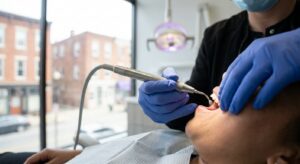
On the day of the extraction, you will receive local anesthesia, and possibly sedation for complex or multiple extractions. Afterward, you will be given:
- Instructions for caring for the extraction site
- A list of foods to avoid and what you can eat
- Information about medications for pain or infection
If your dentist identifies additional issues, such as other infected teeth, you may be referred back for more care or to a specialist like an infected tooth medicaid dentist or broken tooth medicaid emergency dentist.
If cost is your main concern, talk openly with the dental office. Many teams can help you understand what your Medicaid plan covers before you agree to treatment.
Special cases: wisdom teeth, broken teeth, and infected teeth
Not every extraction is the same. The type of tooth and the condition you are facing can change where you should go and how coverage works.
Wisdom tooth removal
Wisdom teeth are often impacted, meaning they are trapped in the gums or bone. They can cause pain, swelling, and crowding, and may require a surgical approach. Many Medicaid plans cover wisdom tooth removal when:
- There is pain, infection, or cyst formation
- The tooth is damaging a nearby tooth
- Orthodontic treatment or function is affected
If you think your symptoms are coming from the back of your mouth, look into wisdom tooth removal medicaid options. You may be referred to an oral surgeon for this type of procedure.
Broken or fractured teeth
A cracked or broken tooth may or may not require extraction. In some cases, a filling or crown can save the tooth. In others, the tooth is too damaged to restore and must be removed. Medicaid coverage will generally focus on the medically necessary treatment, which can include:
- Emergency evaluation
- Palliative care to reduce pain
- Extraction if the tooth cannot be saved
If your tooth broke suddenly, seek a broken tooth medicaid emergency dentist as quickly as possible so your options are not limited by delay.
Infected teeth
Infections are considered urgent because they can spread to other areas of the body. Treatment may include:
- Antibiotics to control infection
- Drainage of an abscess if needed
- Root canal treatment or extraction, depending on severity
When a tooth is too damaged to save, Medicaid often covers the extraction as an essential step in controlling the infection. You can search for an infected tooth medicaid dentist if you are experiencing swelling, pus, or severe pain.
Can you get dental implants with Medicaid in Baltimore
Once a tooth is removed, you may worry about the gap it leaves. Dental implants are one of the best long term solutions for missing teeth, but coverage through Medicaid is limited in most states.
Across the country, implant coverage is often excluded or restricted, and many adults are unsure whether Medicaid will help. Before you make decisions, it helps to understand the basics of medicaid dental implant coverage and how it usually applies.
Typical Medicaid approach to implants
In many states, Medicaid focuses on restoring basic function with more traditional options such as dentures or partials. Implants are often viewed as elective or beyond the scope of standard coverage. That is why many adults search specifically for a dentist that takes medicaid for implants to see whether there are any exceptions or special programs.
You will also find that each state sets its own rules. For example, states track whether and how they cover different restorative treatments as part of adult dental packages [1]. Some have enhanced benefits for specific medical conditions, such as Nevada’s upcoming limited restorative package for adults with diabetes, which may affect access to advanced treatment in the future [1].
For an overview of what is typical and how to check your own plan, you can review does medicaid cover dental implants.
Low cost and alternative options
Even if your Medicaid plan does not pay for implants directly, you still have choices. You can ask your dentist about:
- Medicaid covered extractions, infection control, and temporary replacements
- Referrals to clinics that offer low cost dental implants medicaid friendly pricing, payment plans, or sliding scales
- Options to combine covered services, such as extractions, with self pay restorative work
It is important to separate the urgent need, such as removing an infected tooth, from longer term cosmetic or restorative goals. Medicaid is often very helpful with the urgent part, and your dental team can help you plan for the rest.
If you are still exploring your options, can you get dental implants with medicaid provides more context on when implants may be possible.
Verifying your Medicaid dental benefits before treatment
Taking a few minutes to verify your benefits can save you stress and confusion later. You want to know ahead of time what is covered, what authorizations are needed, and whether there are limits.
Here is a simple approach you can use when you call your plan:
- Have your Medicaid ID card ready
- Ask if your coverage includes adult dental benefits
- Confirm that tooth extractions are included and whether there are any limits per year
- Ask whether prior authorization is required for extractions or oral surgery
- Write down any co pays or out of pocket costs you might have
You can also ask if there are providers near you who are listed as a medicaid dentist accepting new patients to make it easier to schedule care.
If your main concern is cost and you are hoping the extraction will be fully paid, you might also explore free tooth extraction medicaid resources. While coverage levels vary, in many situations a medically necessary extraction can be provided at little or no direct cost to you.
Choosing the right provider in Baltimore
Once you know that your tooth extraction is covered by Medicaid, the next step is choosing a provider who is a good fit for your needs, urgency, and comfort level.
When you are calling offices, consider asking:
- Do you offer same day or next day appointments for emergencies
- Are you a walk in dentist that takes medicaid or do I need an appointment
- Do you provide routine extractions, surgical extractions, and wisdom tooth removal
- Can you see me for medicaid emergency tooth removal if my pain gets worse
- Do you coordinate with an oral surgeon that takes medicaid if my case is complex
If you are thinking ahead about replacing missing teeth after extractions, ask whether the office can discuss long term restorative options, and whether they are familiar with medicaid dental implant coverage guidelines.
Moving forward with confidence
Navigating Medicaid and dental care can feel confusing, especially when you are in pain. Understanding how and when a tooth extraction is covered by Medicaid helps you make clear decisions and get treatment without unnecessary delay.
By confirming your eligibility, choosing a medicaid dentist accepting new patients in Baltimore, and asking direct questions about coverage and timing, you can:
- Address infections and severe pain before they get worse
- Receive medically necessary extractions, including emergency and wisdom tooth removal
- Explore realistic options for replacing missing teeth within or alongside your Medicaid benefits
If you need urgent help, prioritize getting out of pain first through urgent dental care that takes medicaid. From there, you and your dentist can build a treatment plan that respects both your health and your budget.