
Follow-up appointment purposes
Your emergency dental follow-up appointment serves several key goals. First, your dentist will monitor how well the affected area is healing, adjusting care plans as needed to prevent complications. You’ll also discuss any lingering pain or swelling you’re experiencing, which helps tailor your pain management after extraction or other relief strategies. Finally, follow-up visits allow your provider to complete treatments that may have been paused during the urgent care phase, such as suture removal or finishing a root canal.
Ensuring proper healing early can save you from more complex and costly procedures down the road. When you return for a follow-up, your dentist can catch signs of infection, poor tissue regeneration, or other issues that might require prompt intervention. Studies emphasize that early follow-up care after an emergency dental appointment is key to avoiding more advanced treatments by reducing infection risk and promoting long-term oral health [1].
By attending every scheduled visit, you give your dentist the chance to monitor progress and make necessary adjustments. Whether it’s fine-tuning sutures, assessing a temporary crown, or reviewing your post procedure dental care routine, each appointment builds on the last to secure a complete recovery.
Preparing for your appointment
Before your follow-up visit, gather any materials that help your dentist assess your progress. Bring your list of current medications, notes on pain levels or swelling, and any home-care questions that arose since your emergency treatment. If you received written aftercare instructions, having them on hand will ensure you haven’t overlooked any steps that might affect healing.
Confirm your appointment time at least 24 hours in advance, and let your provider know if you’re experiencing any new symptoms. Clear communication helps your dentist allocate the right amount of time and equipment—for example, if you need an X-ray or additional protective coverings during the visit.
Dress comfortably, as you may be sitting in the dental chair longer than during your emergency visit. You might also consider bringing a snack and water in case you’re advised to wait or if your follow-up involves dietary restrictions.
Finally, review any pre-visit instructions sent by your clinic. Some practices ask you to rince with a specific oral rinse & healing advice solution before arrival. Following these guidelines ensures your mouth is in the best condition for examination and minimizes the chance of cross-contamination.
During your follow-up visit
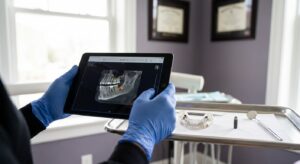
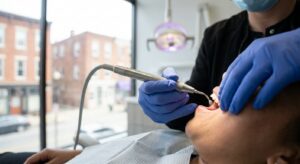
When you arrive, your dentist begins with an initial assessment to evaluate the severity of your condition and gauge how well your mouth is recovering. This may include a visual examination and diagnostic tools such as X-rays to identify fractures, residual infection, or tissue damage [2].
Next, your provider addresses any pain management needs. You might receive local anesthesia for sensitive areas or a protective dressing over an exposed nerve. If you’re still experiencing significant discomfort, discuss adjustments to your post procedure dental pain meds or explore alternative options in dental pain relief after emergency.
Your dentist will then complete or plan any remaining treatments. For simple issues, this could mean removing sutures or checking a temporary filling. More complex cases, like a root canal started during your emergency visit, may require additional cleaning, shaping, and sealing of canals before placing a permanent restoration. You might also discuss next steps for a chipped tooth, crown placement, or implant timing, depending on your specific needs.
Before you leave, your provider will review updated home-care instructions. This personalized plan covers dietary adjustments, hygiene routines, and any special considerations such as avoiding hard or sticky foods. By understanding each step, you’ll be better equipped to follow your emergency dental post op instructions and support your own recovery.
Home care and pain management
Your actions at home play a major role in how quickly you heal. Follow your dentist’s post-procedure guidance to minimize infection risk and keep pain under control. Consistent care can mean the difference between a smooth recovery and setbacks that require additional visits.
Medication guidelines
Take prescribed painkillers and anti-inflammatories exactly as directed. If your dentist recommends over-the-counter options, such as ibuprofen or acetaminophen, maintain the dosing schedule and avoid doubling up on medications that contain the same active ingredients. Always inform your provider if you experience side effects or insufficient relief, so adjustments can be made before your next follow up emergency dental visit.
Oral hygiene tips
Keeping your mouth clean prevents bacteria from settling into surgical sites. Gently rinse with warm salt water or a dentist-approved rinse several times a day, especially after meals. When brushing, use a soft-bristle brush and avoid direct contact with any suture lines or sensitive areas. If you feel discomfort, try an alcohol-free rinse or ask about oral rinse & healing advice designed for post-operative care.
Dietary recommendations
What you eat can accelerate or hinder healing. Focus on soft, nutrient-rich foods such as yogurt, blended soups, and mashed vegetables. Avoid crunchy, spicy, or acidic items that can irritate raw tissues. Drinking plenty of water also helps flush out food particles and supports overall health. If your procedure involved extractions or implants, consult our guide on diet after emergency dental procedure to plan each meal.
By following these steps—accurate medication use, gentle hygiene, and a recovery-friendly diet—you give your mouth the ideal environment to repair itself.
Signs of complications
Even with diligent care, keep an eye out for warning signs that warrant immediate attention. Any of these symptoms should prompt you to call your dentist without delay:
- Severe or worsening pain unresponsive to prescribed medication
- Facial swelling that increases instead of subsiding
- Fever or chills developing after treatment
- Pus or unusual discharge from the surgical site
- Loose or lost temporary restorations
- Persistent bleeding beyond the expected timeframe
These red flags often indicate infection, tissue trauma, or an allergic reaction to medication. Timely intervention prevents minor issues from becoming emergencies and supports your path to full recovery.
Scheduling further visits
Depending on the complexity of your emergency procedure, you may need multiple follow-up appointments. The typical schedule breaks down as follows:
| Procedure type | Follow-up timing | Focus of visit |
|---|---|---|
| Temporary fillings, basic extractions | 3–7 days | Assess healing, remove sutures |
| Antibiotic therapy monitoring | Within 48 hours | Check infection response |
| Root canal therapy | 24–48 hours, 1 week | Complete canal cleaning, seal |
| Complex surgical procedures, implants | 1 week, possibly 2–3 weeks | Evaluate graft integration, adjust restorations |
This table outlines general guidelines; your dentist will customize the plan based on your health, the procedure performed, and how well you’re healing. For example, after a root canal, you might follow our after root canal follow up protocol to manage discomfort and protect the treated tooth.
Remember to book all recommended visits before leaving the clinic. Missing these appointments can slow healing or allow issues to go unnoticed. If scheduling conflicts arise, contact your provider as soon as possible to find an alternative time.
Planning your ongoing recovery
Your last scheduled follow-up marks a milestone, but recovery often continues beyond the dental chair. Maintain regular check-ups every six months, practice diligent oral hygiene, and address any new concerns promptly. A solid emergency dental recovery plan lays the groundwork for lasting oral health.
By staying proactive—attending scheduled visits, following home-care guidelines, and monitoring your symptoms—you reduce the chance of future emergencies. With each step, you’re investing in a stronger smile and a healthier mouth.