
What same day tooth extraction with Medicaid means
If you are in severe dental pain, you probably are not thinking about anything except getting relief as fast as possible. Same day tooth extraction with Medicaid means you can have an infected or badly damaged tooth removed quickly, often within hours, without taking on overwhelming bills.
Medicaid emergency tooth extraction is designed to provide financial help when you have a serious dental problem that cannot wait. This kind of urgent treatment protects your overall health and helps you avoid complications from spreading infection or uncontrolled pain [1].
Many emergency dental clinics that accept Medicaid also offer same day appointments specifically for extractions. That includes help for issues like broken teeth, severe decay, or abscesses, so you can be treated quickly instead of waiting days or weeks [1].
If you are trying to figure out exactly what Medicaid will pay for and how fast you can be seen, it helps to understand how emergency coverage works, what counts as an emergency, and how a same day visit usually goes.
When your tooth problem is an emergency
Not every dental issue qualifies as an emergency under Medicaid rules, but many painful or infected teeth do. You should seek urgent care right away, and ask for a same day tooth extraction Medicaid appointment, if you notice any of the following:
- Throbbing or sharp tooth pain that is constant or wakes you up at night
- Swelling in your gums, face, or jaw
- Signs of infection, such as pus, a bad taste, or fever
- A broken or fractured tooth that exposes the nerve
- Trauma to the mouth from an accident or injury
These symptoms often point to a serious infection or nerve damage. Leaving these problems untreated can lead to more severe infections, jaw issues, or even medical emergencies.
A provider who offers urgent dental care that takes medicaid can help you decide if your situation meets emergency criteria and whether a same day extraction is the safest choice.
What Maryland Medicaid usually covers for emergency extractions
Medicaid coverage for adult dental care is different in every state, and benefits can change over time. In general, adult Medicaid dental benefits for emergency tooth extractions are more limited than for children, but they usually focus on treatment that is medically necessary to relieve severe pain or prevent serious health issues.
For emergency extractions, Medicaid typically covers:
- The exam to diagnose the problem
- X rays needed to evaluate the tooth
- The extraction procedure itself, simple or surgical, when medically necessary
- Prescription pain medications related to the extraction, when the dentist or oral surgeon determines they are necessary [1]
Sedation or special anesthesia may be covered in some cases, but this depends on your state rules and medical necessity. Each state sets its own limits and requirements, including when documentation is needed to prove that the extraction is essential for your health and comfort [1].
If you want more detail about how coverage works, you can also review broader resources like does medicaid cover tooth extraction and tooth extraction covered by medicaid.
Children, teens, and emergency coverage
If you are seeking care for your child, coverage is stronger. Under federal law, Medicaid must provide comprehensive dental benefits for everyone under age 21. That includes:
- Emergency tooth extractions
- Routine dental checkups
- Preventive care like cleanings and fluoride
- Treatment for cavities and infections
This means your child should be able to receive timely emergency treatment, including tooth removal when needed, without major financial barriers [1]. If you are unsure where to go, an infected tooth medicaid dentist listing or a medicaid dentist accepting new patients guide can help you find a provider ready to see your child.
Same day extraction vs waiting: why timing matters
When you are in pain, waiting for an appointment can feel impossible. In dental emergencies, delays can also be risky. A serious tooth infection can spread to the jaw, face, and even the bloodstream if it is not treated quickly.
Same day tooth extraction with Medicaid helps you:
- Stop uncontrolled pain sooner
- Reduce the chance of infection spreading
- Lower your odds of needing more complex and costly treatment later
- Get back to work, school, or family life faster
In many states, adult Medicaid dental coverage focuses on emergency needs. Some, like Texas and Arizona, offer emergency only dental benefits that require clear documentation that the extraction is necessary for your health and comfort [1]. That is one reason dentists place so much emphasis on timely, medically documented care.
If your tooth is cracked but not hurting, or if you have mild sensitivity, you may not qualify for emergency benefits. A clinic that works with medicaid emergency tooth removal every day can explain where your situation fits and what timing makes sense.
What to expect at a same day Medicaid extraction visit
Knowing what will happen before you arrive can remove some of the stress you may be feeling. Although every office runs a bit differently, most same day Medicaid extraction visits follow a similar pattern.
1. Check in and benefit verification
You will present your Medicaid card and a photo ID at check in. The office staff will:
- Verify that your Medicaid coverage is active
- Confirm what your dental plan includes
- Check if there is any co pay or limit related to extractions
If you want to understand this step before you arrive, you can read more about how to get a tooth pulled with medicaid or call your plan directly. Many clinics can confirm key benefits for you while you are on the phone or as you are scheduling.
2. Emergency exam and X rays
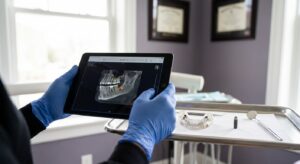
The dentist will ask you about your symptoms, medical history, and when the pain started. X rays are usually taken to:
- Determine if the tooth can be saved
- Check how deep the decay or infection goes
- See the position of the roots and nearby nerves
If the tooth can be treated with a filling, crown, or root canal, the dentist will explain those options. If the tooth is too far gone, they will recommend extraction and discuss whether it can be done that same day.
3. Talking through consent and anesthesia
Before moving forward, the dentist will explain:
- Why extraction is necessary
- What type of extraction is needed, simple or surgical
- What kind of numbing or sedation is recommended
- Any risks or expected side effects
Medicaid generally covers numbing shots for extractions. Coverage for deeper sedation or anesthesia varies by state and by medical need [1]. If you are very anxious or have a complex medical history, you might be referred to an oral surgeon that takes medicaid for a safer, more controlled setting.
4. The extraction itself
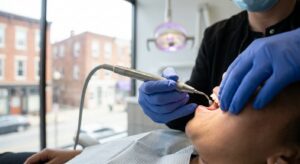
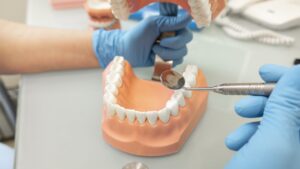
For a simple extraction, the dentist:
- Numbs the tooth and surrounding area
- Gently loosens the tooth
- Removes it with small instruments
- Places gauze to control bleeding
Surgical extractions, including some wisdom tooth removal medicaid procedures, can be more involved. A section of gum or bone may need to be opened to reach the tooth, especially if it has not fully erupted. A provider familiar with medicaid oral surgery coverage can explain how your specific case is handled.
5. Pain control and prescriptions
After the extraction, you will receive instructions to manage pain and protect the area as it heals. Medicaid often covers prescription pain medications related to emergency tooth extractions when they are medically necessary [1].
You will typically receive guidance on:
- When to take pain medicine and how much
- How long to keep the gauze in place
- Which foods and drinks to avoid
- Signs of problems to watch for, such as increasing pain, swelling, or bleeding
If you have questions later that day, most offices encourage you to call back.
How to verify your Medicaid dental benefits
Before you show up for a same day appointment, it helps to know what your Medicaid plan covers and what your share of the cost, if any, will be. You can verify your benefits in a few steps.
- Call the number on your Medicaid card
- Ask if you have adult dental coverage and if emergency extractions are included
- Confirm if there are limits on the number of extractions per year
- Ask about any co pays for emergency visits or oral surgery
You can also contact a clinic that lists itself as an emergency dentist that takes medicaid or walk in dentist that takes medicaid. Many of these offices have staff who work with Medicaid every day and can help you understand your benefits in plain language.
If cost is a major concern, you may want to ask about free tooth extraction medicaid options, sliding fee scales, or local assistance programs that can help with any remaining balance.
If you are unsure whether your problem will qualify as an emergency, it is better to call and ask than to wait and risk your condition getting worse.
Finding a same day Medicaid dentist in Baltimore
In a dental emergency, location and timing matter. You want a provider who understands Medicaid, can see you quickly, and is experienced with urgent cases.
Here are some practical ways to find same day tooth extraction Medicaid help in the Baltimore area:
- Look for an urgent dental care that takes medicaid option near your home or workplace
- Search specifically for a broken tooth medicaid emergency dentist if your problem is trauma related
- Check whether the office lists itself as a medicaid dentist accepting new patients
- Ask if they offer same day or walk in appointments for extractions
Many emergency dental clinics, including some in the Baltimore area, offer same day visits and extractions for Medicaid patients in order to relieve pain quickly and reduce wait times [1].
If you need an oral surgeon
Sometimes a tooth is too complex for a general dentist to remove safely in a regular office setting. You might be referred to an oral surgeon when:
- The tooth is impacted or trapped in the bone
- The roots are unusually curved or close to nerves
- There is a serious infection that requires special management
- You need heavy sedation because of anxiety or medical issues
In these cases, your provider will try to connect you with an oral surgeon that takes medicaid. Medicaid oral surgery benefits can be different from general dental benefits, so it is helpful to review resources like medicaid oral surgery coverage before your appointment.
What happens after the tooth is removed
Once your emergency pain is under control and the tooth has been extracted, you still have some decisions to make. Missing teeth can affect how you chew, speak, and feel about your smile. Depending on your situation, you might consider options like:
- A partial denture
- A bridge
- In some cases, dental implants
Not every Medicaid plan pays for tooth replacement, and dental implant coverage is especially limited for adults. However, it is worth understanding your choices so you can plan ahead.
If you are thinking about replacing a missing tooth, you may want to explore:
- does medicaid cover dental implants
- medicaid dental implant coverage
- can you get dental implants with medicaid
- dentist that takes medicaid for implants
- low cost dental implants medicaid
These resources can help you understand when implants might be covered, what alternatives exist, and how to find providers who work with Medicaid on restorative options.
Preparing for your visit and protecting your health
To make your same day tooth extraction Medicaid visit go as smoothly as possible, it helps to prepare:
- Bring your Medicaid card and ID
- Make a list of medications and allergies
- Note when the pain started and what makes it worse
- Arrange a ride home if sedation is possible
If your problem is an infected or broken tooth, review information like infected tooth medicaid dentist or broken tooth medicaid emergency dentist so you can describe your symptoms clearly.
Most importantly, do not wait if you are in severe pain or think you have an infection. Medicaid emergency tooth extraction exists to help you get care before things become more serious, and many clinics are set up to see you the same day you call. Getting help quickly is one of the most important steps you can take to protect both your oral health and your overall wellbeing.