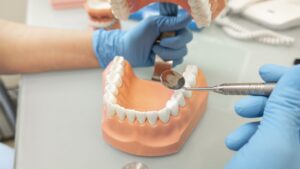

Understand emergency removal
What is emergency removal
Emergency removal of infected tooth, often referred to as emergency tooth extraction, is a procedure your dentist performs when a tooth cannot be saved by other treatments. Unlike a routine extraction, an emergency dental extraction is geared toward swiftly relieving pain and stopping an active infection. Your dentist may recommend this urgent procedure when a deep cavity, abscess, or trauma has allowed bacteria to thrive inside your tooth or surrounding tissues [1].
When removal is necessary
Your dentist considers several factors before recommending emergency removal of infected tooth:
Dental trauma or damage
If your tooth is shattered or broken down to the root after an accident, prompt extraction prevents further injury and infection.
Deep decay and pulp infection
When decay breaches the pulp chamber and antibiotics or a root canal cannot control symptoms, extraction stops bacteria from spreading.
Benefits of prompt removal
By opting for emergency tooth extraction at the first sign of uncontrolled infection, you can:
- Relieve throbbing pain almost immediately
- Prevent the spread of infection to bone or other teeth
- Reduce the risk of systemic complications like fever or sepsis
Identify emergency signs
Severe tooth pain
Pain that intensifies over hours or days and does not subside with over-the-counter painkillers signals you may need an emergency extraction. Sharp, throbbing pain that spreads to your jaw or ear can also indicate a dry socket in the days following an extraction [2].
Swelling and infection
Noticeable swelling around the gum line or face, accompanied by redness and warmth, suggests an active infection. Pus drainage or a bad taste in your mouth are further warning signs that you should seek infected tooth emergency dental care immediately.
Difficulty opening mouth
Trismus, or lockjaw, can occur when infection spreads to surrounding muscles. If you struggle to open your jaw fully, schedule an appointment with an urgent tooth removal service.
Systemic symptoms
Fever, chills, or body aches signal that infection may be moving beyond your oral cavity. In such cases, emergency removal coupled with antibiotics is critical to prevent complications like sepsis.
Explore emergency procedures
Tooth extraction overview
Emergency tooth extraction typically follows these steps:
- Administration of local anesthesia to numb the area
- Gentle loosening of the tooth with specialized instruments
- Removal of the tooth from its socket
- Placement of gauze to control bleeding and promote clot formation [3]
Your dentist may use sedation or nitrous oxide to help you stay calm. If you prefer deeper relaxation, ask about urgent extraction with sedation.
Local anesthesia use
Numbing medications block pain signals from the extraction site. You remain conscious but pain-free throughout the procedure.
Extraction steps
Forceps and elevators are used to widen the socket and remove the infected tooth. In complex cases, your dentist may section the tooth into smaller pieces for safer removal.
Emergency root canal
When the tooth’s structure is still salvageable, your dentist might recommend emergency root canal treatment as an alternative to extraction. This procedure removes infected pulp, disinfects root canals, and seals them to prevent reinfection. If you need a faster solution, inquire about same day root canal service.
Abscess drainage procedure
If you have a dental abscess, your dentist may combine extraction with drainage. The steps include:
- Incising the swollen gum to release pus
- Irrigating the area with a sterile solution
- Prescribing antibiotics to control infection
For pure abscess relief without extraction, see our guide on treating dental abscess urgent or book emergency abscess drainage dental.
Manage post extraction pain
Immediate relief techniques
After your extraction, follow these tips for pain control and healing:
Use gauze and pressure
Bite gently on gauze for 30 to 45 minutes to help form a stable blood clot in the socket.
Apply cold compresses
Place an ice pack on your cheek for 10 minutes on, 10 minutes off to reduce swelling.
Take pain medications
Use acetaminophen or ibuprofen as directed. If your dentist prescribes stronger painkillers, follow the dosage instructions carefully.
Watch for complications
Monitor your healing site and contact your dentist if you notice any of the following:
Dry socket signs
Severe pain radiating to your ear or jaw with an empty-looking socket may mean the clot was dislodged. You may need a medicated dressing to relieve discomfort.
Infection indicators
Increasing pain, redness, swelling, or pus after 48 hours could signal a secondary infection. Prompt antibiotic therapy and possibly further drainage will be necessary [4].
Bleeding concerns
Minor oozing is normal. If bleeding soaks through gauze after 24 hours or becomes heavy, contact an extraction after hours dentist.
Support fast recovery
Dietary guidelines
- Stick to soft foods like yogurt, applesauce, mashed potatoes, and smoothies for the first 48 hours
- Avoid hot, spicy, or crunchy items that can irritate the socket
- Drink plenty of water but do not use a straw, to protect the blood clot
Oral hygiene practices
- Brush your teeth gently but avoid the extraction site for 24 hours
- Rinse with a warm saltwater solution (1/2 teaspoon salt in 8 ounces of water) after meals to keep the area clean
- Resume normal brushing and flossing once healing permits
Schedule follow up
Attend any follow-up visits to check healing progress, remove sutures if placed, and discuss long-term restorative options like implants or bridges.
Choose emergency services
Finding a provider
When you need same-day relief, look for a local emergency dentist or emergency tooth removal clinic that offers after-hours appointments. If you live in Maryland, for example, you might choose emergency oral surgery Baltimore for specialized care.
Sedation options
Discuss sedation levels—oral sedatives, nitrous oxide, or IV sedation—to make your experience comfortable, particularly if you fear needles or noise.
Cost and coverage
Understanding fees helps you plan ahead. Emergency procedures often carry higher costs due to staffing and urgency. Compare prices for extraction versus root canal and ask about your insurance coverage. For root canal pricing specifics, see emergency root canal cost.
Cost factors table
| Service | Typical duration | Average cost range |
|---|---|---|
| Emergency tooth extraction | 20–40 minutes | $150–$400 |
| Wisdom tooth extraction | 45–120 minutes | $200–$600 |
| Emergency root canal treatment | 60–90 minutes | $400–$1,000 |
Same day services
If you need quick relief, ask about same day root canal service or combined extraction and implant placement. Some practices offer full sedation and aftercare instructions in a single visit.
Answer common questions
How long does removal take
Simple emergency extractions can take 20 to 40 minutes, while complex cases or wisdom teeth may require up to two hours [3].
When to call your dentist
Contact your provider if you experience:
- Uncontrolled bleeding after 24 hours
- Worsening pain or swelling after 48 hours
- Fever over 100.4°F
Can infection return
If bacteria reenter the socket or adjacent teeth, reinfection is possible. Maintain good oral hygiene, attend follow-ups, and consider urgent endodontic care for at-risk teeth.
By recognizing the signs of a serious dental infection and understanding your options—whether it’s extraction, emergency root canal treatment, or abscess drainage—you can take confident action to relieve your pain and protect your oral health. If you suspect you need an emergency removal of infected tooth, reach out to your dentist or an urgent tooth removal service without delay.