
Understand after hours extraction
When you need an extraction after hours dentist can be your fastest path to relief from intense dental pain and prevent further complications. If you experience a dental emergency such as a knocked-out tooth, severe toothache that disrupts your sleep, or an infection that leaves you unable to eat, an after hours dentist provides specialized care outside of regular office hours. By choosing an after hours service you avoid unnecessary delays and reduce the risk of worsening symptoms.
After hours dentists offer extended availability, often including nights, weekends, and holidays. Unlike the emergency room, they focus on dental pain control and surgical relief. You can expect immediate assessment with digital X-rays, targeted local anesthesia, and options for sedation to help you feel comfortable during an urgent extraction with sedation. Many practices also provide urgent tooth removal service and coordinate follow-up restorations to restore your oral health efficiently.
Whether you’re facing a broken tooth that exposes the nerve or an infected wisdom tooth, timing is crucial. Prompt intervention by an after hours dentist reduces the chance of infection spreading, minimizes pain, and preserves more healthy tissue. In the sections that follow you’ll learn how to identify which situations call for immediate dental extraction, what services an after hours dentist offers, how to prepare for your visit, and how to manage your recovery.
Identify urgent dental emergencies
Knowing the most common dental crises helps you act swiftly when pain strikes. Below are the situations that warrant contacting an after hours dentist right away:
Knocked-out tooth
If your tooth is completely dislodged, immediate action is essential. You have the best chance of saving the tooth if it’s reinserted into the socket within one hour [1]. Gently rinse the tooth without scrubbing, attempt to place it back in the socket, or store it in a container of milk or a cell growth medium. Then call an after hours dentist to arrange urgent tooth reinsertion.
Severe toothache
A throbbing toothache that keeps you awake or is accompanied by facial swelling may signal a deep infection or abscess. Begin by rinsing with warm water, using dental floss to clean between teeth, applying a cold compress to reduce swelling, and taking over-the-counter pain relievers such as ibuprofen. While these steps can offer short-term relief, contact an after hours dentist for definitive treatment and potentially painful tooth extraction urgent.
Dental abscess
A dental abscess forms when bacteria infect the pulp chamber or surrounding tissues, leading to pus accumulation. Without prompt drainage you risk bone damage, systemic infection, and worsening pain. In the interim, rinsing your mouth with a mild salt-water solution can help draw out fluid and ease discomfort [1]. Seek specialized care such as emergency abscess drainage dental or root canal therapy to fully resolve the infection.
Broken restorations
If a filling, crown, or bridge cracks or falls out you may experience sharp edges or exposed dentin that irritates your tongue and gums. Temporary solutions include sugarless gum or over-the-counter dental cement to cover sharp areas. Nonetheless, an after hours dentist can remove the damaged restoration and decide whether you need an extraction or emergency restoration.
Explore dentist emergency services
After hours dentists are equipped to handle a wide range of urgent extraction procedures with comfort and precision. Understanding the services they offer will help you know what to expect during your visit.
Emergency extraction procedures
When the tooth cannot be saved or is the source of persistent infection, an extraction may be the fastest remedy. The typical process includes:
- Clinical evaluation and digital X-rays
- Local anesthesia to numb the area
- Gentle removal techniques minimizing bone trauma
- Cleaning the socket of debris or infected tissue
- Placement of gauze and post-op instructions
In complex cases such as wisdom tooth impaction or severely damaged roots, an after hours dentist may refer you to emergency wisdom tooth extraction specialists or provide instruments to section the tooth and extract it safely.
Local anesthesia options
Most extractions under emergency settings rely on local anesthetics like lidocaine or articaine to block pain signals. You’ll remain awake but won’t feel pain in the targeted area.
Sedation and comfort
If anxiety or procedural discomfort is a concern, sedation dentistry options are available through urgent extraction with sedation. Choices include:
- Nitrous oxide (laughing gas) for mild sedation
- Oral sedatives such as diazepam for moderate relaxation
- Intravenous (IV) sedation for deeper, controlled sedation
Your dentist will review your medical history to select a safe and effective sedation plan.
X-rays and diagnostics
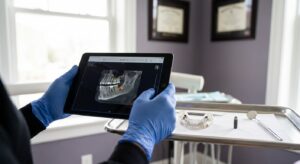
Digital radiography enables precise evaluation of tooth roots, surrounding bone structure, and extent of infection. Some after hours clinics offer on-site panoramic X-rays to visualize wisdom teeth and jaw alignment quickly. This rapid imaging streamlines diagnosis and guides treatment planning.
Infection control and antibiotics
In cases of severe infection, your after hours dentist may prescribe antibiotics such as amoxicillin or clindamycin to reduce bacterial load before extraction. They’ll also recommend antiseptic mouth rinses like chlorhexidine to control local bacteria. If the infection has spread beyond the tooth, immediate drainage and surgical intervention may be required.
Prepare for your visit
Proper preparation ensures your after hours dentist can begin treatment immediately and reduce wait times.
What to bring
- Photo ID and insurance card
- List of current medications and allergies
- Any recent dental X-rays (if available)
- Payment method or pre-arranged financing
- A companion if you plan sedation or are in severe pain
Costs and insurance
Emergency extraction costs vary based on factors like complexity, location, and your insurance coverage. According to CareCredit, a simple extraction may range from $139 to $976, while a surgical extraction with bone graft or implant can exceed $3,000 [2]. Many dental insurance plans cover at least part of emergency procedures if deemed medically necessary.
Insurance coverage
- Preventive care (routine check-ups, cleanings) is often fully covered
- Emergency extractions typically have a waiting period or co-payment
- Review your policy or call your provider to confirm coverage for urgent tooth removal service
Payment plans
If you lack insurance or face high out-of-pocket fees, ask about:
- In-office payment plans
- Third-party financing such as Alphaeon, CareCredit, or SunBit
- Discounted package rates for combined emergency and restorative services
Teletriage and hotlines
Some after hours dentists offer a hotline to assess your symptoms before you arrive, saving you time and ensuring you receive the right level of care—for example, deciding between emergency removal of infected tooth or referral to an ER for severe facial trauma.
Compare dentist and ER
Deciding between an emergency room and an after hours dentist can be confusing. Here’s how to choose:
When to go to ER
- Extensive facial injuries (fractures, deep lacerations)
- Suspected broken jaw or severe head trauma
- Uncontrolled bleeding that won’t stop with pressure
- Signs of airway compromise or swelling obstructing breathing
Most emergency departments cannot perform routine dental X-rays or extractions, but they can stabilize life-threatening conditions [3].
When to see dentist
- Isolated dental pain, infections, or abscesses
- Knocked-out or cracked teeth without facial trauma
- Lost restorations causing discomfort
- Need for immediate extraction to control infection
After hours dentists focus on dental specific interventions such as emergency root canal treatment and provide targeted pain control, reducing your time in the clinic and ensuring specialized follow-up care.
Follow up after extraction
Proper aftercare minimizes complications and supports healing after your urgent extraction.
Self care tips
- Bite gently on gauze for 30–45 minutes to control bleeding
- Apply ice packs in 10-minute intervals for the first 24 hours
- Avoid rinsing, spitting, or using straws for 48 hours
- Stick to soft foods and plenty of fluids
- Gradually introduce normal diet as healing progresses
Managing pain
Your dentist may recommend over-the-counter pain relievers like acetaminophen or ibuprofen, or prescribe stronger medications if needed. Follow dosing instructions carefully and avoid tobacco use, which impairs healing.
Signs of complications
Contact your dentist if you notice:
- Severe or increasing pain after 72 hours
- Foul taste or odor in the socket
- Persistent bleeding beyond 24 hours
- Fever, chills, or facial swelling
These symptoms may indicate dry socket or a secondary infection requiring prompt attention.
Scheduling restoration
Once your gums heal, discuss options to replace the extracted tooth to prevent shifting and restore function. Choices include:
- Dental implants
- Fixed bridges
- Removable partial dentures
Many after hours practices coordinate referral to restorative specialists or provide same day root canal service and crown placement.
Prevent future emergencies
Long-term oral health reduces the likelihood of urgent extractions and infections.
Regular preventive care
- Schedule routine cleanings and exams every six months
- Address cavities or cracked teeth early to avoid emergency removal
- Use therapeutic fluoride treatments or sealants as recommended
Protective measures
- Wear a mouthguard during contact sports
- Avoid chewing ice or hard objects
- Maintain a balanced diet low in sugary snacks and drinks
By investing in preventive dentistry you protect your smile, minimize pain, and reduce emergency visits over time.