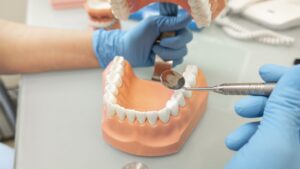

When you’re facing severe tooth pain that won’t let up, you may need an emergency root canal fast. Understanding emergency root canal cost upfront lets you prepare for what’s ahead. Costs typically range from $500 to $1,800 per tooth, with a national average of about $1,165 [1]. In many cases you’ll pay more in an emergency situation, especially outside normal business hours or when infection has advanced. By breaking down the factors that affect your bill and exploring coverage options, you can limit financial surprises and get relief sooner.
Understanding cost factors
Several elements determine your final fee for emergency root canal treatment. Knowing what drives prices can help you estimate your share and discuss options with your provider.
Procedure complexity and urgency
– Extent of infection: Severe or spreading infection requires more time, advanced tools and possibly medication before treatment.
– Tooth location: Molars have multiple roots and canals, increasing chair time and lab fees.
– Emergency timing: After-hours or weekend visits may incur an emergency surcharge, pushing costs toward the $1,800 end of the range.
Provider expertise
– Endodontists: Specialists often charge up to 50 percent more than a general dentist [1].
– General dentists: Rates may be lower, but they might refer you to a specialist if the case is complex.
– Geographic factors: Urban areas and coastal regions often carry premium fees for emergency dental work [2].
Facility and materials
– Use of advanced imaging: Cone-beam CT scans can improve accuracy but add $100–$300 to your bill.
– Lab fees for crowns or posts: If a crown is needed after your root canal, that adds another $800–$1,500.
– Equipment and technology: Single-use instruments and rotary endodontic tools raise material costs.
Understanding these drivers lets you ask targeted questions when you call for emergency endodontic services or seek a same day root canal service.
Estimating your expenses
Once you know which cost factors apply, you can put together a realistic estimate of your out-of-pocket expenses.
National cost range and average
| Scenario | Cost range per tooth | Notes |
|---|---|---|
| Without insurance | $500 – $1,800 | Emergency cases often on the higher end |
| After-hours or weekend visits | $700 – $2,000+ | Includes emergency facility surcharge |
| Endodontist specialist | $1,000 – $2,500 | Complex molar treatment |
| General dentist in rural location | $500 – $1,200 | May refer to specialist if needed |
Insurance coverage and copays
– Most dental plans cover 30–50 percent of endodontic procedures once you meet your deductible [1].
– You’ll typically owe 10–20 percent of the total cost post-coverage, depending on annual maximums and plan specifics.
– Emergency services might be subject to waiting periods or higher copays; review your policy or contact your carrier before scheduling.
Deductibles and annual maximums
– Typical deductible: $50–$100 per person.
– Annual maximum benefit: Often capped at $1,000–$2,000. Any costs beyond that come out of pocket.
– Specialty carve-outs: Some plans limit coverage for root canals or require prior authorization for emergency procedures.
Verifying your benefits
- Call your insurer and confirm coverage for “emergency root canal.”
- Ask about waiting periods, emergency surcharges and network vs. out-of-network rates.
- Get a pre-treatment estimate in writing if possible.
If your policy isn’t sufficient, you can explore financing or alternative care options below.
Comparing discount options
If insurance leaves a gap, there are ways to reduce what you owe without compromising care quality.
Dental schools and teaching clinics
– You can pay half—or less—of standard fees for a root canal at a dental school clinic, where supervised students perform the work [3].
– Appointments may take longer, but costs often range from $250 to $600 per canal.
Sliding scale and nonprofit clinics
– Public dental clinics sometimes offer emergency root canals on a sliding fee scale based on income [3].
– Organizations like NeedyMeds list thousands of clinics providing reduced-cost or free care.
– Examples include the Ben Massell Dental Clinic in Atlanta and the Interfaith Dental Clinic in Nashville.
Dental savings and membership plans
– Dental savings plans charge an annual fee (often under $150 for families) and offer 10–60 percent discounts on services like root canals [3].
– No deductibles or waiting periods, with immediate access to discounted fees from in-network providers.
In-house financing and payment plans
– Many practices let you split payments over 3–12 months, sometimes interest-free for a set period.
– Ask your dentist if they offer an emergency financing option—this can ease cash-flow pressure.
Evaluating these pathways ensures you find a balance between cost savings and timely care.
Preparing financially
A dental emergency rarely gives you time to scramble for funds. Taking proactive steps can save stress when you’re in pain.
Build an emergency fund
– Aim to set aside at least $1,000 in a designated “health” savings account.
– Even a partial fund helps you cover deductibles or copays immediately.
Verify your coverage in advance
– Review your dental policy details, focusing on emergency treatment, deductibles and annual maximums.
– Save contact numbers for both your insurer and preferred dental office.
Arrange financing or discounts
– Explore the options above—dental schools, savings plans, sliding scale clinics.
– If you qualify, enroll in a dental savings plan or membership.
Coordinate with your provider
– Call ahead to discuss fees, payment expectations and whether your case qualifies as an emergency pulp infection treatment.
– Ask about payment plans or interest-free financing and get cost estimates in writing.
By lining up funds and confirming coverage, you’ll avoid last-minute surprises and get relief faster.
Avoiding treatment delays
Putting off a root canal can prolong pain, escalate costs and risk serious complications.
Importance of prompt care
– Emergency root canals can relieve excruciating pain, swelling and infection that disrupt everyday life [4].
– Early treatment often requires fewer visits and less extensive medication.
Risks of postponement
– Infection can spread into surrounding tissues, even entering your bloodstream and causing systemic health issues [5].
– Delay may lead to abscess formation, bone loss, tooth loss and the need for extraction and implant—significantly upping your total cost.
Connecting to urgent services
– If you notice severe toothache, facial swelling, lingering sensitivity or a gum pimple, seek urgent endodontic care or an infected tooth emergency dental clinic right away.
– Many practices offer extraction after hours dentist or emergency tooth removal clinic options when root canal isn’t viable.
Addressing problems immediately not only spares you extra fees but also preserves your natural tooth and oral health.
Next steps and resources
Knowing the costs and options in advance will help you move forward confidently when pain strikes.
- Identify a qualified provider near you—look for a root canal emergency clinic or emergency wisdom tooth extraction practice accepting emergencies.
- Confirm your benefits and get a written cost estimate, including any emergency surcharges and follow-up crown fees.
- Arrange financing, savings plans or sliding scale care if insurance coverage is insufficient.
- Schedule your appointment promptly—delays can increase pain and long-term costs.
By preparing financially and understanding what drives the emergency root canal cost, you can focus on healing rather than bills. For related urgent care, you may also consider treating dental abscess urgent, urgent extraction with sedation, or emergency abscess drainage dental. When every minute counts, having a plan helps you tackle discomfort quickly and affordably.