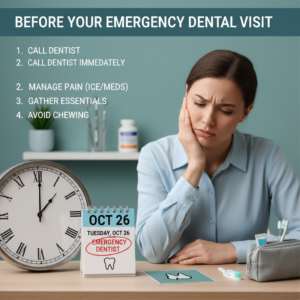

After an accident or impact to your mouth, effective aftercare for dental trauma is essential to protect your smile and prevent complications. Dental trauma can range from a minor chip to a tooth completely knocked out, and how you care for the injury in the hours and days that follow has a direct impact on healing. By understanding the steps you need to take—monitoring symptoms, managing pain, maintaining hygiene, and attending follow-up visits—you give yourself the best chance of full recovery.
Whether you saw an emergency dentist for a fractured tooth, a loose tooth that was splinted, or a more severe injury like an avulsed tooth, you’ve already taken the first critical step. Now it’s up to you to follow through with proper care at home and at the clinic. This guide walks you through everything you need to know about aftercare for dental trauma, from pain relief and diet changes to recognizing warning signs and planning long-term maintenance.
Keep this checklist handy as you move through each phase of recovery. With clear instructions and timely follow-up, you’ll restore function and protect your oral health.
Understand dental trauma
Dental trauma covers any injury to the teeth, gums, or supporting bone structures. You might have experienced a chip in the enamel, a cracked tooth, or a force strong enough to displace or completely knock out a tooth. Each type of injury has its own risks and healing timeline.
Minor chips often need smoothing or bonding, but deeper fractures can expose nerves, causing pain and infection. Luxation injuries—where the tooth is loosened or displaced—require splinting to hold it in place while ligaments reattach. In the most serious cases, a tooth may be avulsed, meaning it’s completely out of its socket. If that happens, reinserting and stabilizing the tooth within minutes can be the difference between saving and losing it.
If your tooth was chipped and repaired, make sure to schedule a specific follow-up for restoration checks in our guide on follow up on chipped tooth repair. Even small cracks deserve close attention to prevent long-term damage.
Schedule follow-up appointments
Keeping all follow-up dental appointments is critical after dental trauma, even if the injured tooth does not hurt, because unmonitored injured teeth may be permanently damaged or lost [1]. Your dentist will assess healing, remove any splints or sutures, and look for signs of infection or pulp death.
Below is a typical timeline of follow-up visits after dental trauma:
| Appointment | Timing | Purpose |
|---|---|---|
| Emergency dental visit | Within 24 hours | Stabilize tooth, control bleeding, initial assessment |
| First follow-up | 7–10 days | Check wounds, remove sutures or temporary fillings |
| Splint removal or adjustment | 10–14 days | Evaluate ligament healing, adjust or remove dental splint |
| Long-term monitoring | 3–6 months, yearly | Assess root health, check for pulp necrosis or resorption |
Be sure to confirm each appointment before you leave the clinic, and jot down any special instructions. If your dentist provided an after-visit summary, save it for reference and bring it to every follow-up. For guidance on scheduling and preparing, see our emergency dental follow up appointment resource.
Manage pain effectively
Pain after dental trauma ranges from mild soreness to throbbing discomfort. Addressing it promptly not only improves your quality of life but also helps you maintain proper care routines, like brushing and rinsing.
Over-the-counter medications are often sufficient for most people. ibuprofen reduces inflammation and pain, while acetaminophen targets pain relief without anti-inflammatory effects. Avoid aspirin in children under 18 and steer clear of adult-strength formulas for youngsters.
| Medication | Typical adult dose | Typical pediatric dose* | Notes |
|---|---|---|---|
| ibuprofen | 200–400 mg every 6–8 hrs | 5–10 mg/kg every 6–8 hrs | Take with food to protect your stomach |
| acetaminophen | 500–650 mg every 4–6 hrs | 10–15 mg/kg every 4–6 hrs | Safe for sensitive stomachs; watch total daily limit |
| prescription analgesics | As directed by your dentist | N/A | Only use if prescribed; follow dosage exactly |
*Always check with your dentist or pediatrician before giving medications to children.
If your trauma involved an extraction, you may find our pain management after extraction tips useful. For a broader overview of post-procedure medications, visit post procedure dental pain meds. And for general relief strategies after emergency care, see dental pain relief after emergency.
Follow dietary guidelines
Eating the right foods supports healing by minimizing stress on injured tissues and preventing dislodged clots or splints. Stick to soft, nutritious options that require minimal chewing.
Soft food suggestions
Creamy soups and broths provide warmth and hydration without chewing. Plain yogurt, mashed bananas, applesauce, and smoothies blend essential nutrients with gentle textures. Scrambled eggs and well-cooked pasta can add protein and carbs without risking damage to your healing tooth or splint.
Smoothies are especially helpful if swallowing is uncomfortable—just avoid seeds or nut pieces that could get lodged in gaps. At mealtimes, use a spoon and chew on the opposite side of your mouth whenever possible.
Foods to avoid
Crunchy snacks like chips and popcorn can snap splints or irritate suture sites, so steer clear until your dentist gives the all-clear. Sticky candies and chewing gum may tug on dressings or temporary fillings. Hard foods—nuts, raw vegetables, crusty bread—are off limits, as are spicy, acidic, or very hot items that could inflame healing gums.
Plan your meals around these guidelines, and you’ll prevent setbacks. For more menu planning ideas, check diet after emergency dental procedure.
Maintain proper oral hygiene
Keeping your mouth clean is vital to prevent infection, but you must be gentle around injured areas. A soft-bristle toothbrush and a careful touch will remove plaque without disrupting healing tissues.
Start by rinsing with warm salt water—half a teaspoon of salt in an 8-ounce glass—two to three times a day, especially after meals. This simple saline rinse soothes gums and helps clear debris. If your dentist recommended an antiseptic mouthwash, follow their instructions and avoid alcohol-based formulas that can sting.
Brush the unaffected teeth first, then very gently cleanse the injured area. Tilt the brush at a 45-degree angle and use light circular motions. Avoid vigorous swishing or forceful spitting for at least a week.
If you have sutures, sponge brushed areas around the stitches to avoid pulling them. Learn more in our oral rinse & healing advice and post emergency dental cleanup guides. For complete post-procedure routines, see post procedure dental care.
Care for splints and appliances
If your dentist splinted a loose or luxated tooth back into position, it’s critical to protect that splint during healing. Splints are typically left in place for one to two weeks to allow periodontal ligaments to reattach [2]. During this time, avoid poking or prodding the device with your tongue or fingers.
Don’t floss between the splinted teeth, but keep the rest of your mouth immaculate with gentle brushing and rinsing. If you have a removable appliance—like a partial denture—wear it only as directed and remove it before cleaning or sleeping. Follow any special instructions your dentist provided in the emergency dental post op instructions.
After an extraction with a gauze dressing in place, keep the dressing clean and dry. If it becomes saturated, you may need a fresh piece—ask your dentist how often to change it. For extraction-specific aftercare, explore our healing care dental extraction resource.
Spot warning signs early
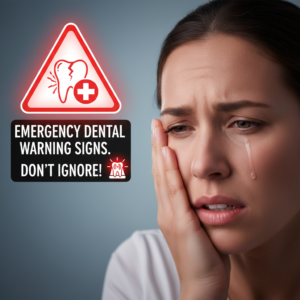
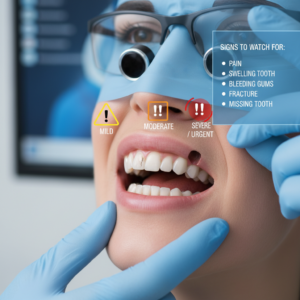
In most cases, healing proceeds smoothly. But certain red flags require immediate attention:
- Persistent or worsening pain
- New or increasing swelling
- Fever or foul-tasting discharge
- Continued bleeding after gauze changes
- Numbness or altered sensation
- Loosened splint or appliance
- Difficulty swallowing or breathing
If you experience any of these warning signs, contact your dentist without delay. Persistent tooth pain may indicate deeper issues like cracked teeth that require prompt evaluation [3]. Severe bleeding, broken facial bones, or uncontrolled swelling warrant a trip to the nearest emergency room [4]. Don’t wait—addressing complications early can save your tooth and prevent infection.
For a full checklist of steps to follow when problems arise, see our emergency dental aftercare instructions.
Support emotional wellbeing
Dental injuries can be traumatic, affecting your confidence and mood as much as your mouth. It’s normal to feel anxious about pain, appearance, or the prospect of further treatment. Sharing your concerns with friends, family, or a counselor can ease stress and help you focus on recovery.
Ask your dental team to explain each step of the healing process and set realistic expectations. Knowing what to anticipate at each check-up reduces uncertainty. Many clinics offer patient support groups or can refer you to professionals experienced in health-related anxiety.
Practicing relaxation techniques—deep breathing, guided imagery, or gentle yoga—can also ease tension. Remember, you’re not alone: thousands of patients navigate similar challenges every year with successful outcomes.
Plan long-term dental health
Once immediate healing is complete, take steps to protect your mouth from future trauma. If you play contact sports or grind your teeth at night, talk to your dentist about a custom mouthguard. Regular cleanings and exams catch early signs of wear or hidden decay before they become emergencies.
Work with your provider to develop an emergency dental recovery plan that outlines whom to call, where to go, and what supplies to keep on hand. If you need specialized follow-up care, your dentist may refer you to an emergency dental recovery clinic for advanced imaging or restorative procedures.
Long-term vigilance also means watching for subtle changes—discoloration, sensitivity, or shifts in bite—and reporting them promptly. Your smile is worth protecting every day.
By following these aftercare steps—scheduling timely visits, controlling pain, eating wisely, maintaining hygiene, caring for appliances, watching for trouble, and supporting your emotional needs—you set the stage for a strong, healthy recovery. Stay proactive, keep communication open with your dental team, and lean on your support network. Proper aftercare for dental trauma ensures you’ll be back to smiling, eating, and speaking with confidence in no time.