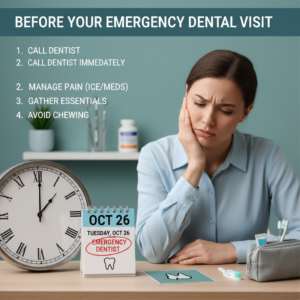

Visiting an emergency dental recovery clinic can feel overwhelming, but knowing what to expect and how to follow through sets you up for a smoother, faster recovery. Whether you’ve just had a painful toothache relieved, a chipped tooth repaired, or an abscess drained, your clinician will give you a clear set of steps to support healing. Sticking to your personalized emergency dental recovery plan and following expert aftercare for dental trauma guidance helps minimize discomfort and prevent complications from the moment you leave the chair.
Understand your recovery plan
Before you head home, your dental team will walk you through detailed emergency dental post op instructions tailored to your procedure. These instructions cover everything from managing bleeding and swelling to dietary guidelines and medication schedules. If your treatment included stitches, you’ll need to book a suture removal dental follow up appointment—missing this can leave sutures in place longer than intended, increasing infection risk. And if you underwent a root canal during your emergency visit, arrange an after root canal follow up so your dentist can examine the treated tooth for any signs of lingering infection or inflammation.
Take a moment in the clinic to clarify any questions: write down medication names, dosing times, and special care notes. Having this information at your fingertips prevents confusion once you’re at home and ensures you’re never left guessing.
Control bleeding and swelling
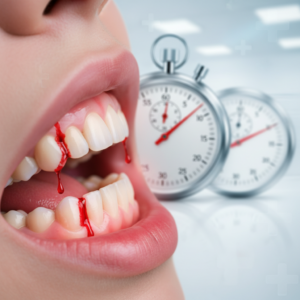
Promptly managing bleeding and swelling encourages clot formation and reduces tissue stress. In the clinic, your dentist will apply sterile gauze and gentle pressure until bleeding slows. You may also receive a cold pack to limit inflammation around the affected area.
At-home swelling management
When you get home, continue cold-compress therapy by applying an ice pack wrapped in a thin cloth to your cheek for about 15 minutes on, then 15 minutes off. This intermittent approach prevents skin injury while constricting blood vessels to reduce puffiness. If swelling persists, you can switch to warm compresses after 48 hours to promote circulation and healing.
Ongoing bleeding care
Rinse your mouth gently with warm salted water—half a teaspoon of salt in eight ounces of water—about 24 hours after your procedure. Let the solution flow out by leaning forward and avoiding forceful spitting, which can dislodge clots. The team at Warrenton Dental Center recommends applying a damp tea bag or fresh piece of sterile gauze to the bleeding site for 20 minutes to encourage natural clotting [1]. If bleeding does not slow after 30 minutes of pressure, seek immediate care, either by calling your clinic or heading to an emergency room.
Manage pain effectively
It’s normal to experience discomfort after emergency dental work, but you can keep pain levels under control by sticking to a consistent medication schedule. Your dentist may prescribe stronger analgesics or recommend over-the-counter options; always follow dosing instructions exactly and avoid doubling up on medications. For guidance specific to post-extraction soreness, see our detailed pain management after extraction resource.
If you notice that pain intensifies rather than diminishes, or if you can’t tolerate the prescribed medication, call your dental team. They may adjust your regimen or suggest alternative pain relievers. Do not mix medications without approval, and avoid driving or operating machinery if your pain meds cause drowsiness.
Maintain oral hygiene
Keeping your mouth clean prevents infection and speeds up tissue repair, yet you must protect the treated area from mechanical stress. About 24 hours after your procedure, begin gentle rinsing with warm saltwater to flush away food particles and bacteria. Following that, you can schedule a post emergency dental cleanup to remove any lingering debris under professional care.
When brushing, use a soft-bristled toothbrush and avoid the immediate treatment zone. Carefully clean surrounding teeth and rinse afterward rather than scrubbing the surgical site. If your dentist provided a medicated mouthwash or a chlorhexidine rinse, use it as instructed—typically once or twice daily—to maintain a bacteria-controlled environment without disturbing healing tissue. For further tips on rinsing safely and effectively, check out our oral rinse & healing advice.
If you had a tooth extracted, you’ll find extra guidance in our healing care dental extraction page, which covers how to protect the socket, navigate scab formation, and spot early signs of dry socket.
Follow a healing-friendly diet
Your choice of foods plays a critical role in how quickly and comfortably you recover. Soft, nutrient-dense options provide the building blocks your body needs while minimizing stress on healing tissues.
| Food category | Choose | Avoid | Why it matters |
|---|---|---|---|
| Soft proteins | Greek yogurt, scrambled eggs, soft tofu | Tough meats, nuts, jerky | Gentle on jaws, high in protein for tissue repair |
| Cooked vegetables | Mashed carrots, steamed squash | Raw carrots, celery sticks | Easy to chew yet rich in vitamins |
| Hydrating options | Smoothies, broths, milkshakes | Carbonated drinks, alcohol | Keeps you hydrated, supplies minerals without irritation |
| Whole grains | Oatmeal, soft rice, polenta | Toast, granola bars | Provides energy and fiber without hard edges |
| Healing snacks | Applesauce, ripe bananas, pudding | Chips, popcorn | Satisfies hunger without requiring chewing |
For more meal ideas and nutritional guidelines, explore our full diet after emergency dental procedure.
Avoid harmful habits
Certain behaviors can derail your healing process in days:
- Do not smoke or vape. Nicotine constricts blood vessels and starves healing tissue of oxygen.
- Skip alcohol until your dentist gives the green light—it can interfere with pain medication and dry out tissues.
- Never use a straw. The suction can loosen clots and spark a painful dry socket.
- Rest and keep your head elevated when lying down, especially during the first 48 hours, to minimize swelling and bleeding.
Avoid pushing your tongue or fingers into the treatment area, and postpone vigorous exercise until cleared by your dental team.
Attend scheduled follow-ups
Your first follow-up visit ensures stitches are dissolving or removed as planned and lets your dentist assess how well you’re healing. Keep your follow up emergency dental visit and emergency dental follow-up appointment on your calendar. If you notice persistent tenderness, foul taste, or unusual swelling before your visit, call to report symptoms rather than waiting for the appointment.
During follow-ups, your provider may adjust your care plan, recommend additional cleanings, or prescribe new medications. By staying on track, you catch minor issues before they become major setbacks.
Know when to seek help
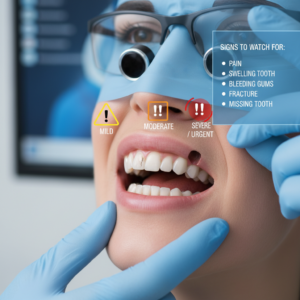
Most aftereffects of emergency dental care resolve within a week, but certain red-flag symptoms require prompt professional attention. Contact your clinic or head to the nearest emergency room if you experience:
- Uncontrolled bleeding that soaks through gauze after 30 minutes of steady pressure
- Fever above 101°F or chills suggesting a spreading infection
- Severe pain that worsens despite following your post procedure dental pain meds schedule
- Pus discharge, a foul odor, or swollen lymph nodes
- Signs of an allergic reaction such as rash, itching, or difficulty breathing
For guidance on true dental emergencies and when you should seek immediate care, see the Cleveland Clinic’s recommendations [2]. Acting quickly can prevent complications like abscess formation, bone involvement, or facial cellulitis.
Key points to remember
- Stick to your personalized emergency dental recovery plan and ask questions before you leave the clinic
- Control bleeding with gentle pressure, warm salt rinses, and iced compresses
- Follow medication schedules exactly to keep pain manageable
- Maintain gentle but thorough oral hygiene to ward off infection
- Choose soft, nutrient-rich foods and avoid anything that stresses healing tissues
By following these top tips at your emergency dental recovery clinic, you’ll give your mouth the best chance to heal swiftly and comfortably. If you ever have doubts or spot concerning symptoms, reach out to your dental team right away—prompt action is the cornerstone of a smooth recovery.