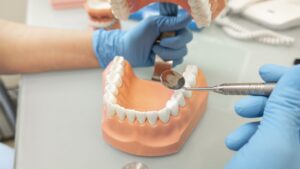

You may be facing intense pain from a severely infected or damaged tooth, and urgent extraction with sedation can ease your anxiety while addressing the problem quickly. By combining emergency extraction techniques with sedation dentistry, you get relief from acute dental pain and a calmer experience in the chair. Whether you need an emergency removal of an infected tooth or a same-day procedure, sedation options—from local anesthesia to IV sedation—make the process more comfortable.
In this article, you’ll learn what to expect before, during, and after an urgent extraction with sedation. We’ll cover why you might need emergency tooth removal, explore sedation choices, outline preparation steps, describe the procedure itself, and explain how to manage recovery and potential side effects. With this clear information, you can make informed decisions about your urgent dental care.
Understanding urgent extraction
Defining urgent extraction
An urgent extraction is a tooth removal performed promptly to address severe pain, infection, or trauma. If you delay treatment, you risk spreading infection to surrounding teeth and bone or developing an abscess that requires more extensive care like emergency abscess drainage dental.
Common reasons for extraction
- Severe decay or large cavity resistant to a root canal
- Deep periodontal (gum) infection
- Impacted wisdom tooth causing pain or swelling, often treated via emergency wisdom tooth extraction
- Dental trauma from an accident or sports injury
- Advanced abscess with swelling and fever, linked to infected tooth emergency dental
Risks of delaying treatment
Putting off a necessary extraction can lead to:
- Spread of infection into the jawbone or bloodstream
- Increased pain and swelling
- More complex surgery later, possibly under general anesthesia
- Higher cost and longer recovery
If you have a rapidly worsening toothache or swelling, look into an urgent tooth removal service right away.
Exploring sedation options
Sedation dentistry offers levels of relaxation and pain control to suit your needs and anxiety. Sedation options typically include:
| Sedation option | Description | Onset time | Recovery time |
|---|---|---|---|
| Local anesthesia | Injection numbs only the target area | Immediate | A few hours |
| Nitrous oxide sedation | Laughing gas inhaled through a mask [1] | 3–5 minutes [1] | Immediate with normal air [2] |
| Oral sedation | Benzodiazepine pill taken before procedure | 30–60 minutes | Several hours |
| IV sedation | Drugs delivered into bloodstream [3] | 5–10 minutes | 6–12 hours [4] |
| General anesthesia | Complete unconsciousness under supervision [3] | Rapid | At least 24 hours |
Local anesthesia
This is the standard approach for most extractions. Your dentist injects lidocaine or a similar anesthetic around the tooth so you feel no pain during removal [5].
Nitrous oxide sedation
Laughing gas helps you relax and reduces anxiety without putting you to sleep. Because its effects wear off quickly once you breathe normal air, you can often resume normal activities immediately [2].
Oral sedation
You take a pill—commonly diazepam or triazolam—about an hour before your appointment. Oral sedation creates a deeper calm than nitrous oxide and is useful for moderate to severe anxiety.
IV sedation
Sometimes called “twilight sleep,” IV sedation produces a semi-conscious state where you remain deeply relaxed and typically won’t remember the procedure. It requires monitoring of vital signs and a responsible adult to escort you home [4].
General anesthesia
Reserved for very complex or multiple extractions at once, general anesthesia renders you fully unconscious. It requires specialized equipment and an anesthesiologist.
Comparing sedation levels
Your comfort level, medical history, and the complexity of your urgent extraction with sedation will guide the choice. Discuss each option’s depth of sedation, onset, and after-effects during your consultation.
Preparing for your procedure
Preoperative consultation
Before any urgent extraction with sedation, you’ll meet with your dentist or oral surgeon. They will:
- Review your medical history and allergies
- Discuss current medications
- Evaluate your dental X-rays and treatment plan
- Explain sedation options tailored to your needs
Medical history and screening
Your practitioner needs a complete health profile. Conditions like heart disease or obesity can influence sedation risks [6]. Be honest about prior reactions to sedatives.
Day-of instructions
- Follow fasting guidelines if required, especially for IV sedation or general anesthesia
- Arrange transportation home; you cannot drive after deeper sedation
- Wear comfortable clothing and avoid heavy makeup or jewelry
What to expect during extraction
Procedure timeline
Most single-tooth extractions take 30 to 60 minutes, though multiple removals can extend that time [7]. Sedation setup and recovery add extra minutes.
Sedation administration
Depending on your plan, the team will:
- Place an IV line or nasal mask
- Deliver sedative agents or administer local anesthetic
- Monitor your vital signs (heart rate, blood pressure, oxygen levels) continuously [8]
Extraction steps
- Incision in gum tissue (if needed) to access the tooth [9]
- Gentle rocking or sectioning of the tooth to loosen it
- Removal of the tooth and any infected debris
- Suturing the gum tissue over the socket
If you need more than an extraction—such as a follow-up emergency root canal treatment or treating dental abscess urgent—your dentist will outline those next steps.
Managing post-procedure recovery
Immediate post-op care
After your urgent extraction with sedation, you’ll rest in a recovery area until the sedation level drops. You may feel drowsy, groggy, or “loopy” for several hours [4].
Diet and activity guidelines
- Bite gently on gauze until bleeding stops, changing it every 30–45 minutes
- Keep your head elevated above heart level
- Transition to a soft diet (yogurt, applesauce, soup) for the first 24–48 hours
- Avoid strenuous exercise and heavy lifting for 48–72 hours
Healing timeline
- Soft tissue heals in 7–10 days
- Jawbone fills in over several weeks
- You can usually return to work or school within a day or two [7]
If you experience persistent pain or swelling beyond these timeframes, your dentist or an extraction after hours dentist should evaluate you.
Managing common side effects
Pain and swelling
- Use prescribed or over-the-counter pain relievers as directed
- Apply ice packs in 15-minute intervals for the first 24 hours
Bleeding control
- Continue light pressure with gauze
- Avoid rinsing, spitting, or using straws, which can dislodge the clot
- If bleeding increases, contact an emergency tooth removal clinic
Nausea and dizziness
Sedation wear-off can cause mild nausea or headache. Stay hydrated and rest. If vomiting persists, call your dentist.
Infection precautions
Be alert for signs of infection: fever, foul taste, or discharge. If these occur, you may need antibiotic therapy or emergency endodontic services.
When to contact your dentist
Signs of complications
Reach out immediately if you notice:
- Excessive or prolonged bleeding
- Severe, unrelenting pain
- High fever or chills
- Swelling that worsens after 48 hours
Sedation-related issues
- Difficulty breathing or chest pain
- Irregular heart rate or severe dizziness
- Allergic reactions such as rash or swelling around the face
If any of these occur, seek care at an emergency oral surgery Baltimore provider or call emergency services.
Sedation extraction benefits
Reducing anxiety and pain
By combining an urgent extraction with sedation, you minimize discomfort and stress, making it easier to complete necessary care without fear.
Streamlining urgent care
Sedation can condense multiple emergency treatments—like extraction plus same day root canal service or emergency pulp infection treatment—into fewer visits, saving time and reducing overall anxiety [10].
Supporting complex procedures
For challenging removals or patients with dental phobia, IV sedation or general anesthesia enables your dentist to work efficiently while you remain calm and still. This approach lowers the risk of procedural complications and ensures your comfort.
Planning your next steps
If you’re considering an urgent extraction with sedation, schedule a consultation today. Discuss your medical history, anxiety levels, and treatment goals with your dentist so you can move forward confidently. Whether you require a single extraction, emergency wisdom tooth extraction, or combined root canal and extraction, professional sedation options are available to ease your pain and restore your oral health.