
When you schedule a suture removal dental follow up, you take an important step toward complete healing and comfort. Whether your stitches are dissolvable or require professional removal, understanding what to expect and how to care for your mouth before, during, and after the appointment will help you avoid complications. In this guide, you’ll learn why sutures are used, how to prepare for your visit, what happens during removal, and how to manage pain and healing afterward. We’ll also cover timelines for different stitch types, warning signs to watch for, and answers to common questions. By following these steps, you’ll protect your recovery and get back to normal sooner.
Understanding your dental sutures
After an emergency extraction, gum graft, or other oral surgery, your dentist may place sutures to hold tissue in position and promote wound healing. These stitches support the blood clot that forms in the socket, prevent food particles from entering the wound, and stabilize soft tissue while new cells develop. Your doctor will let you know if sutures have been placed and which type you received [1].
Suture materials fall into two main categories: dissolvable and non-dissolvable. Dissolvable stitches are typically made from materials like polyglycolic acid or catgut and gradually break down in your mouth. Non-dissolvable sutures may use nylon or silk and must be removed by your dental professional. Knowing which type you have determines when you schedule your suture removal dental follow up and what to expect at that appointment.
During the first 24 hours after surgery, avoid brushing directly over the surgical site and do not rinse your mouth to protect the clot. Gentle brushing away from the wound helps keep surrounding teeth clean without disturbing stitches [1]. Starting on day two, you can rinse with warm salt water or a prescribed oral rinse two to three times daily to reduce bacteria and soothe tissue. These steps lay the groundwork for a smoother removal process and faster healing.
Preparing for your follow up appointment
As your suture removal dental follow up approaches, gathering information and supplies will help the visit go smoothly. First, confirm the date and time of your appointment, and make sure you understand any pre-visit instructions. If you experienced significant swelling or pain after your initial surgery, consider bringing a list of your symptoms so your dentist can assess your progress comprehensively.
On the day of your follow up:
- Arrive with a gentle toothbrush and fluoride toothpaste in case you need to clean around adjacent teeth after removal.
- Bring any prescribed oral rinse or warm salt water solution if recommended for post-removal care [2].
- Have a pain relief plan ready—over-the-counter medications or prescribed pain meds can help you stay comfortable once stitches come out. Review options at post procedure dental pain meds.
- List questions about discomfort, swelling, or general care so you won’t forget to ask during your visit.
If transportation is a concern—especially if you’re anticipating discomfort—arrange for a friend or family member to drive you. While suture removal is quick, you might feel some sensitivity afterward and appreciate having support on the way home. Keeping your next steps organized sets you up for a positive follow-up experience and reduces stress on the day of your appointment.
What to expect during removal
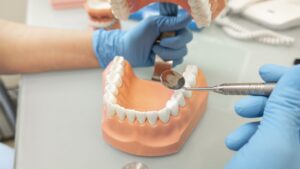
When you arrive for your suture removal dental follow up, your provider will first inspect the surgical site to confirm your tissue is ready. For non-dissolvable stitches, your dentist uses specialized forceps and small scissors to carefully grasp and cut each thread close to the tissue. Then the entire suture is gently pulled out through the incision point to avoid dragging any fibrin or tissue.
Dissolvable stitches may require only a brief check to ensure they’ve broken down as expected. In some cases, small thread fragments remain visible even after most of the material has dissolved. Your dentist will trim any long or loose ends to prevent irritation or food impaction [3].
Most patients report mild pressure during the process rather than sharp pain. If you’re particularly anxious, let your provider know—topical anesthetic or a short period of local numbing can be applied to make the experience more comfortable. The entire procedure usually takes less than 10 minutes, after which your dentist will:
- Rinse the area with saline or warm water to clear debris.
- Check for signs of infection, such as unusual redness or discharge.
- Provide personalized after-care instructions, including how to clean and soothe the site in the days ahead.
Knowing the steps in advance reduces anxiety and ensures you’re ready to cooperate fully, which helps the removal go quickly and smoothly.
Post-removal care and relief
After sutures come out, your tissue still needs gentle support to finish healing. You might notice slight bleeding or minor discomfort for a day or two, but proper care keeps you on track for a full recovery.
For the first 24 hours after removal:
- Avoid rinsing vigorously; a gentle saline rinse only if advised by your dentist prevents dislodging any delicate clot that remains.
- Eat soft, non-chewy foods like yogurt, mashed potatoes, or soup at lukewarm temperature to avoid mechanical stress on the site [1].
- Do not use straws for at least one week—suction can disrupt healing and increase the risk of a dry socket [2].
When you’re ready to clean the area:
- Start gentle brushing around the site as soon as you feel comfortable, usually the day after removal. Use a soft-bristled brush and short strokes to remove plaque without trauma.
- Rinse three to four times daily with warm salt water or a medicated rinse to keep bacteria at bay and soothe tenderness [2]. For additional tips on soothing your mouth, see oral rinse & healing advice.
If pain flares up, reach for recommended over-the-counter pain relievers or your prescribed medication. Many patients find that alternating acetaminophen and ibuprofen provides balanced relief. You can explore tailored strategies in our guide to pain management after extraction.
Maintaining a soft-food diet for up to one week helps shield the area. Gradually reintroduce firmer foods as swelling subsides and comfort returns. Consult our diet after emergency dental procedure tips for menu ideas that balance nutrition with healing.
Suture healing timelines
Different stitch materials and surgical sites heal at varying rates. Here’s a quick reference to help you know when to expect complete suture breakdown or removal:
| Suture type | Expected timeline | Notes |
|---|---|---|
| Dissolvable (gum surgery) | 7–14 days [4] | Some materials dissolve on day 2–7 [5] |
| Dissolvable (tooth extraction) | Up to 14 days [6] | May leave small loose threads to trim [3] |
| Non-dissolvable | 7–14 days, then professional removal [4] | Removal prevents delayed healing or infection |
| Lingering stitches | Beyond 14 days | Contact your dentist for evaluation |
Remember that factors like location, blood flow, and your overall health can shift these timelines slightly. If you’re unsure whether your stitches have dissolved as expected, your suture removal dental follow up appointment is the right time to get clarity.
Warning signs and next steps
Even a smooth removal process can lead to complications if you overlook signs of infection or irritation. If you notice any of these symptoms, contact your dental provider promptly rather than waiting for your next scheduled visit:
- Increased swelling or redness spreading beyond 48 hours after removal [6].
- Pain that intensifies on day four or five instead of subsiding.
- Pus, foul discharge, or bad breath unrelieved by rinsing.
- Persistent bleeding more than 24 hours after stitches come out.
- Fever above 100.4°F or general malaise.
- Loose or hanging suture threads causing discomfort.
Spotting and addressing these issues early reduces the risk of serious complications and speeds up recovery. If you experience any of the above, don’t hesitate to reach out via our emergency dental follow up appointment service for prompt evaluation.
Frequently asked questions
How long until my sutures dissolve on their own?
Most dissolvable sutures break down within 7 to 14 days, depending on the material and surgical site. Gum surgeries tend to heal faster, often dissolving in about a week, while extraction sites may take up to two weeks.
Will suture removal hurt?
You may feel mild pressure or pulling during removal, but sharp pain is uncommon. If you’re anxious, ask for a topical anesthetic or light numbing agent to make the process more comfortable.
What if I miss my follow up appointment?
Call your dental office as soon as possible to reschedule. Leaving non-dissolvable stitches in place beyond two weeks can increase the risk of infection and delay healing.
Can I brush normally after my sutures are out?
Yes, gentle brushing is encouraged once you feel no significant discomfort. Use a soft-bristled brush and short strokes around the site to maintain hygiene while avoiding trauma.
Moving forward with confidence
Completing your suture removal dental follow up is a milestone on the path to full oral recovery. By preparing for your appointment, knowing what to expect during removal, and following detailed post-removal care instructions, you’ll minimize discomfort and guard against complications. If questions arise at any stage, our team is ready to support you—whether through routine post procedure dental care guidance, emergency dental aftercare instructions, or a comprehensive emergency dental recovery plan.
Your healing journey doesn’t end with suture removal. Staying attentive to your mouth’s signals, maintaining good hygiene, and following dietary recommendations will help you enjoy lasting oral health. If you have concerns about trauma, pain, or other post-surgery issues, explore our resources on aftercare for dental trauma and reach out for personalized advice. With the right care and timely follow-ups, you’ll be smiling confidently again soon.