
Understanding a child dental trauma emergency
When your child has a fall, takes a hit during sports, or suddenly cries out with mouth pain, it can be hard to know if you are dealing with a true child dental trauma emergency. Yet fast, calm action often makes the difference between saving or losing a tooth, especially after accidents that involve knocked out or badly damaged teeth.
Dental injuries in children are common. Nearly 39 percent of kids experience some form of dental trauma by adolescence, often from falls, sports, or biting hard objects [1]. Understanding what counts as an emergency, what you can safely do at home, and when to seek immediate care helps you protect your child’s teeth, comfort your child, and avoid long term complications.
In this guide, you will learn how to recognize a child dental trauma emergency, what to do in the critical first minutes, and how specialized emergency services, including pediatric sedation and cosmetic repair, support a calm and safe experience for you and your child.
What qualifies as a pediatric dental emergency
Not every chipped tooth is an emergency, but some situations always require same day or immediate care. A pediatric dental emergency is any condition that compromises a tooth’s structure, causes persistent oral bleeding, or results in severe pain that your child cannot ignore [2].
Red flag signs that require urgent help
You should seek emergency dental or medical care right away if your child has:
- A tooth that was completely knocked out (avulsed)
- A tooth pushed in, pushed out, or moved out of position
- Severe toothache, especially with facial swelling or fever
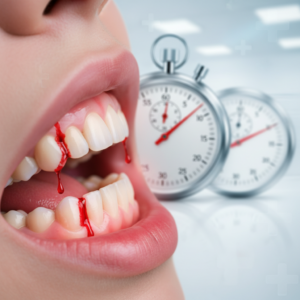
- Uncontrolled bleeding in the mouth that does not stop after 10 to 15 minutes of pressure
- A suspected broken jaw, major facial trauma, or difficulty breathing or swallowing
Injuries that involve severe facial trauma, breathing problems, trouble swallowing, concussion symptoms, or excessive bleeding are medical emergencies. In those situations, you should go to the nearest emergency room first, as highlighted by ABC Children’s Dentistry [3].
For dental specific emergencies, such as a knocked out tooth or severe toothache, contacting a pediatric emergency dentist, such as a dedicated pediatric emergency dentist baltimore, gives your child the best chance of a full recovery.
Common causes and types of child dental trauma
Child dental trauma emergencies can happen in a moment, often during ordinary play. Understanding the typical causes and injury patterns helps you respond quickly and prevent future accidents where possible.
How injuries usually happen
Children most often experience dental trauma through:
- Falls while learning to walk or running during play
- Contact sports such as basketball, soccer, or hockey
- Bikes, scooters, and playground equipment accidents
- Biting hard objects like ice, pens, or very hard candy
- Car accidents
Conditions such as misaligned or protruding teeth can increase injury risk, because front teeth are more exposed to impact [1].
Types of pediatric dental trauma
Your child’s injury may involve teeth, gums, jawbone, or the soft tissues of the mouth. Typical trauma includes [4]:
- Minor chips and enamel fractures
- Deeper cracks involving the dentin or pulp
- Fractures below the gum line that may threaten the tooth’s stability
- Avulsed teeth, which are completely knocked out
- Intruded teeth, driven deeper into the jawbone
- Luxated or displaced teeth, moved sideways, outward, or partially out of the socket
- Soft tissue injuries to lips, tongue, cheeks, or gums, sometimes requiring stitches
Early evaluation is critical. Dental fractures that involve the crown or root need X rays to determine severity. Minor crown fractures may be restored with tooth colored material, while severe fractures that reach the pulp or root can require pulp therapy or even extraction [2].
Step by step responses to urgent situations
In a child dental trauma emergency, your first goal is to stay as calm as possible. Your child will often copy your emotional state, so your steady voice and clear actions can lower their fear.
The following sections walk you through specific scenarios and what you should do before you reach the dentist.
When a permanent tooth is knocked out
A knocked out permanent tooth is always a true emergency. You have the best chance of saving the tooth if you act within 30 minutes, although replantation can sometimes succeed up to an hour after the injury [5].
-
Find the tooth and pick it up by the crown
Hold the chewing surface, not the root. Avoid scraping or touching the root surface, because the tiny cells there are needed for reattachment. -
If the tooth is dirty, rinse gently
Use clean water or saline for a brief rinse. Do not scrub or use soap or chemicals. -
Try to place the tooth back in the socket
If your child is conscious, cooperative, and old enough, gently place the tooth back in position and have your child bite down softly on gauze or a clean cloth to stabilize it. -
If you cannot reinsert it, keep it moist
Place the tooth in a container of milk or saline, or have your child hold it gently in their cheek. Moist storage helps protect the root cells while you travel to the dentist [6]. -
Seek emergency pediatric dental care immediately
Call your pediatric dentist on the way. In many cases, dentists can attempt replantation, then stabilize the tooth with a custom splint to support healing [7].
For baby teeth, the approach is different. Knocked out primary teeth are usually not replanted, because this can damage the developing permanent tooth underneath. They still require prompt evaluation to protect the surrounding tissues and plan for space maintenance if needed [2].
When a tooth is chipped, broken, or displaced
Not all fractures are obvious at a glance. Even a “small” chip can hide deeper damage or expose the nerve.
If your child has chipped or broken a tooth:
- Gently rinse your child’s mouth with warm water to remove blood and debris
- If you can find any tooth fragments, store them in a clean container, preferably in milk or saline, and bring them to the dentist
- Apply a cold compress to the cheek or lip near the injured area to reduce swelling
- Do not let your child bite on the injured tooth
- Arrange a dental exam as soon as possible, even if there is little or no pain [8]
If the fracture is accompanied by pain or you can see a dark or red spot in the center of the tooth, this could indicate an exposed nerve and qualifies as a dental emergency that should be evaluated promptly [9].
When a tooth appears pushed in, pushed out, or moved sideways, your child may be experiencing luxation, extrusion, or intrusion. These injuries damage the tooth ligament and socket and require prompt evaluation by a pediatric dental specialist to assess severity and plan treatment [2].
When your child has a severe toothache
Tooth pain in children ranges from mild sensitivity to sharp, throbbing pain that prevents sleep or eating. Severe toothache, especially if it appears suddenly, is often a sign that the tooth nerve or surrounding tissues are inflamed or infected.
At home, you can:
- Gently clean the area with a soft toothbrush or wet cloth to remove food that may be trapped
- Rinse your child’s mouth with warm water
- Apply a cold compress to the outside of the face for swelling
- Avoid placing aspirin directly on the gums or using heat on the face
- Use over the counter pain medication like ibuprofen only if recommended or previously prescribed by your child’s dentist [8]
If the pain is severe, wakes your child at night, or is accompanied by swelling, fever, or difficulty swallowing, you should arrange same day dental evaluation. Severe toothache with facial swelling may indicate a dental abscess, a serious infection that can spread quickly and requires urgent professional care [10].
Managing cuts, bleeding, and soft tissue injuries
Mouth injuries can look dramatic, because the area has a rich blood supply. While many small cuts heal well, persistent bleeding or deep wounds need professional attention.
If your child has a cut inside the mouth:
- Stay calm and have your child sit upright to reduce blood flow to the area
- Apply firm, gentle pressure with clean gauze or a cloth for 10 to 15 minutes
- Use a cold compress on the outside of the mouth or cheek to reduce swelling
- Keep your child’s head elevated
If bleeding continues beyond 10 to 15 minutes or the wound appears deep, you should seek urgent care from a dentist or physician [8]. Uncontrolled bleeding after trauma or dental procedures is considered an emergency that requires immediate assessment [11].
Recognizing a dental abscess or spreading infection
A dental abscess is a pocket of infection around the tooth root or in the surrounding gum. In children, an abscess can escalate quickly and may affect overall health.
Warning signs include:
- Facial or gum swelling, especially if it appears suddenly
- Severe, throbbing tooth pain
- Fever, general illness, or swollen lymph nodes
- Bad breath or a bad taste in the mouth
- Pus draining from the gums [11]
You should never attempt to drain an abscess at home. This can spread infection and delay proper care. Instead, contact a pediatric dentist immediately for evaluation and treatment. Dental abscesses require prompt attention to prevent complications and protect your child’s ability to eat, speak, and feel comfortable [12].
How specialized pediatric emergency care helps your child
When your child is in pain or frightened, you need more than quick treatment. You also need a child centered environment that understands pediatric behavior, dental development, and the emotional needs of both children and parents.
Pediatric emergency dentists focus specifically on trauma repair for children, from saving teeth after accidents to managing infections in very young patients. After the immediate crisis is under control, your child may need follow up care such as trauma repair for children or longer term monitoring of tooth development.
Sedation options for anxious or young patients
Many children feel very anxious about emergency dental care, especially when they are already in pain. Some have special needs or developmental conditions that make sitting still difficult. In these cases, carefully planned sedation can transform a frightening experience into a calm and safe one.
Sedation assisted care can be especially helpful for:
- Young children who cannot understand instructions
- Children with severe anxiety, past trauma, or sensory sensitivities
- Extensive treatment needs that would be difficult to complete in short visits
If your child is very fearful, you can look for practices that offer sedation emergency dental care, sedation for anxious emergency patient, or sedation assisted emergency care. For specific procedures, options such as sedated tooth extraction emergency can make treatment far more manageable.
These services are usually provided by teams trained in pediatric sedation and emergency protocols so that comfort and safety are prioritized throughout your child’s visit.
Child friendly emergency environments
The setting matters just as much as the procedure. A child friendly emergency dentistry practice designs its spaces, communication style, and treatment plans with children in mind.
You can expect:
- A gentle, calm approach to your child’s fears
- Clear explanations that help you understand each step of care
- Techniques such as distraction, tell show do, and positive reinforcement
- Close attention to your child’s pain control and emotional comfort
This type of environment helps lower your child’s stress and may make future visits easier too, because your child learns that dental care can feel safe and manageable, even after an emergency.
Cosmetic and functional repair after trauma
After the immediate emergency is resolved, you might still worry about how your child’s smile will look or how well they will be able to chew and speak. Pediatric dentists often work closely with cosmetic and restorative teams to restore both function and appearance.
Chipped or fractured front teeth in older children may be candidates for emergency cosmetic dental repair, esthetic emergency dental care, or urgent smile repair. In more complex injuries, such as those affecting permanent crowns or implants placed in older teens, coordinated services like emergency dental implant repair, emergency veneer repair, emergency temporary bridge repair, or emergency implant support may be part of a long term plan.
If your child wears braces or other orthodontic appliances at the time of injury, you may also need emergency orthodontic repair to correct bent wires, damaged brackets, or changes in tooth position after trauma. Addressing these issues early helps protect both the health and appearance of your child’s developing smile.
Early treatment of dental trauma gives your child the best chance for full recovery. Delayed care can lead to infection, tooth loss, or long term problems with speaking, chewing, and confidence in their smile [7].
Preventing future dental trauma in children
You cannot prevent every accident, but you can significantly reduce your child’s risk of serious dental injuries with a few practical steps.
Key prevention strategies include:
- Using properly fitted mouthguards for contact or high impact sports
- Encouraging safe play rules on playgrounds and at home
- Childproofing spaces to remove tripping hazards and sharp corners
- Discouraging chewing on hard objects, such as ice, pens, or very hard candy
- Considering orthodontic evaluation if your child has very protrusive or misaligned front teeth, which can be more easily injured [1]
ABC Children’s Dentistry also recommends that you keep a small dental emergency kit at home and have your pediatric dentist’s contact information readily available so you can react quickly when accidents happen [3]. Planning ahead is one of the simplest ways to make a frightening situation more manageable.
Moving forward after a child dental trauma emergency
A child dental trauma emergency can be overwhelming in the moment, but with clear steps and the right support, you can guide your child safely through the crisis and into recovery.
You now know how to:
- Recognize situations that require immediate dental or medical attention
- Take first aid steps at home for knocked out teeth, fractures, toothaches, bleeding, and abscesses
- Seek specialized services such as child friendly emergency dentistry, trauma repair for children, and sedation emergency dental care when needed
- Plan for cosmetic and functional repair so that your child’s smile and confidence can be restored
If you are facing an urgent situation now, call your pediatric emergency dentist or a nearby pediatric emergency dentist baltimore if you are local, describe your child’s symptoms, and follow their guidance on what to do next and where to go for care. With prompt, specialized treatment and a calm, informed approach from you, your child can recover well from even serious dental trauma.
References
- (KidShine Hawaii)
- (Hudson Valley Kids Smiles)
- (ABC Children’s Dentistry)
- (KidShine Hawaii, Cleveland Clinic)
- (Open Sesame Dentistry, ABC Children’s Dentistry)
- (Open Sesame Dentistry, Seedling Kids Dentistry)
- (Cleveland Clinic)
- (Open Sesame Dentistry)
- (Seedling Kids Dentistry)
- (Seedling Kids Dentistry, Rockies Kids DDS)
- (Rockies Kids DDS)
- (Open Sesame Dentistry, Cleveland Clinic)