
Understanding trauma repair for children
When your child experiences dental trauma, you are not just dealing with a chipped tooth or a bleeding lip. You are managing pain, fear, and the potential for long‑term emotional and physical effects. Approaching trauma repair for children with clear information and a calm plan can help you protect both their smile and their overall sense of safety.
Childhood trauma, including painful injuries and urgent procedures, can affect how your child regulates emotions, handles stress, and forms relationships later in life. Research on complex trauma shows that children who do not feel consistently safe often cope by suppressing emotions or becoming hypersensitive to the moods of others, which can later interfere with their ability to trust and connect in healthy ways [1]. Your goal in a dental emergency is twofold: address the injury quickly and preserve your child’s sense of security and control.
Specialized, child friendly emergency dentistry can play a central role in this process by combining skilled clinical care with a trauma‑informed, emotionally supportive approach.
Recognizing when a child needs trauma repair
You might wonder whether a fall, blow to the face, or chipped tooth is serious enough to count as “trauma” or to require emergency dental care. Pay attention to both physical signs and emotional reactions.
Physical signs that need urgent care
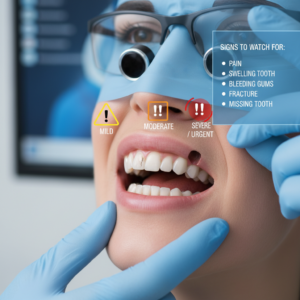
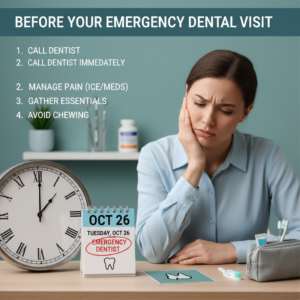
Some injuries clearly require same‑day attention. You should contact a pediatric emergency dentist immediately if your child has:
- A knocked‑out permanent tooth
- A tooth that is loose, pushed in, or shifted out of position
- A cracked or fractured tooth with visible yellow or pink inside the tooth
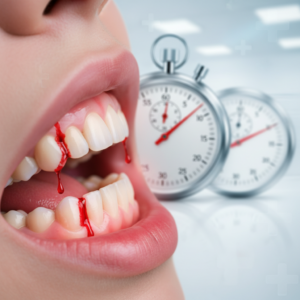
- Uncontrolled bleeding from the mouth or gums
- Severe pain that does not improve with cold compresses or child‑safe pain relievers
Specialized services such as child dental trauma emergency appointments help you move quickly from worry to action. Fast treatment often means saving a tooth, preventing infection, and reducing the need for more complex procedures in the future.
Emotional and behavioral signs of trauma
Not all trauma shows up as a visible injury. Children can experience dental or medical events as frightening and overwhelming, especially if there is intense pain, blood, or rushed activity around them. After an injury or procedure, you may notice:
- Increased clinginess or separation anxiety
- Sleep problems, nightmares, or refusal to go to bed
- Sudden irritability, anger, or difficulty focusing
- Obsessive worry about safety or getting hurt again
Experts note that trauma symptoms in children often resemble depression and anxiety, including changes in sleep and appetite, irritability, and trouble concentrating [2]. If you see these signs for more than a few weeks, or they interfere with daily life, it is worth talking with your pediatrician or a mental health professional.
How trauma affects a child’s body and brain
Knowing what is happening inside your child’s body can help you respond with more confidence and patience.
Stress responses and physical symptoms
Trauma activates a child’s central stress systems. Over time, repeated or intense stress can dysregulate the limbic‑hypothalamic‑pituitary‑adrenal (LHPA) axis, which controls cortisol and other stress hormones. Studies show that childhood trauma is linked to altered patterns of cortisol and ACTH secretion, with long‑term changes that can affect how the body responds to stress throughout life [3].
For your child, this may look like:
- Headaches, stomachaches, or vague physical complaints with no clear medical cause
- Oversensitivity to touch, sound, or bright lights, or the opposite, seeming “shut down” or unaware
- Strong startle responses or difficulty calming down after small stressors
Children with complex trauma histories often have abnormal stress response systems and a higher rate of ongoing physical complaints such as headaches and stomachaches that can persist into adulthood [1]. This is one reason it is so important to make emergency care as gentle and predictable as possible.
Emotional regulation and attachment
Trauma also affects how children understand and manage emotions. Many children who have been through distressing experiences struggle to identify what they feel and to calm themselves once upset. Emotional dysregulation, sudden mood shifts, and occasional “checking out” or dissociation are common in complex trauma [1].
In a dental emergency, this can show up as:
- Extreme fear of being touched or examined
- Refusal to open their mouth or sit in the chair
- Freezing, going silent, or appearing unusually calm or detached
These reactions are not willful misbehavior. They are nervous system responses designed to protect your child. A trauma‑aware pediatric emergency dentist baltimore will factor this into both clinical decisions and how they talk with your child.
Choosing trauma aware emergency dental care
Not every urgent care or general dental office is equipped for trauma repair for children. When you choose a practice that offers child friendly emergency dentistry, you give your child more than a quick fix. You offer them a safer experience that can reduce the risk of long‑lasting fear.
What to look for in a pediatric emergency dentist
When you call for an urgent visit, ask questions that help you understand how the team supports children in distress. For example, you can ask whether they:
- Routinely treat pediatric emergencies, not just adult issues
- Have training in working with anxious or traumatized children
- Provide sedation assisted emergency care when needed
- Offer private rooms and flexible pacing for highly fearful patients
Clinics that highlight services such as sedation emergency dental care and sedation for anxious emergency patient are often more prepared to adapt care to your child’s comfort level instead of expecting them to “just cooperate.”
How sedation supports trauma informed care
Sedation is not only about making procedures easier for the dentist. In the right situations, it can protect your child from experiencing an event as traumatic.
Pediatric‑appropriate options, coordinated by an emergency sedation dentist, can:
- Reduce pain and fear during complex procedures
- Shorten treatment time, which limits exposure to stress
- Decrease vivid recall of highly distressing sensations or sounds
For example, if your child needs a sedated tooth extraction emergency after a severe dental injury, light to moderate sedation may help them stay relaxed and compliant while preserving a sense of safety. Sedation is always tailored to your child’s age, medical history, and anxiety level, and it is monitored closely by trained professionals.
Handling common dental trauma scenarios
Different injuries call for different responses. Understanding likely treatment paths helps you make decisions quickly and communicate calmly with your child.
Knocked‑out or displaced teeth
If your child’s permanent tooth is knocked out, time is critical. You should:
- Pick up the tooth by the crown, not the root.
- Gently rinse it if dirty, without scrubbing.
- Place it back in the socket if your child can tolerate it, or keep it in milk.
- Call for a child dental trauma emergency visit immediately.
Reimplantation success is highest within the first hour. If the tooth cannot be saved, your child may later benefit from emergency dental implant repair or emergency implant support as they grow older and their jaw matures.
For baby teeth, your dentist will typically not reimplant but will focus on protecting the underlying permanent tooth bud and managing pain.
Chipped, cracked, or broken teeth
Chips and fractures are common after sports injuries, falls, or playground accidents. Treatment depends on the depth and location of the crack:
- Small enamel chips may be smoothed and bonded in a quick urgent smile repair visit.
- Deeper fractures may need nerve treatment, crowns, or temporary protective coverings.
If the injury affects front teeth, cosmetic appearance matters as much as function. Services such as emergency cosmetic dental repair, emergency veneer repair, and urgent aesthetic dental fix can restore your child’s confidence and help them feel comfortable smiling again.
Injuries involving braces or dental work
If your child has braces or other orthodontic appliances, trauma can bend wires, break brackets, or damage surrounding teeth. It is important to:
- Cover sharp edges with orthodontic wax if available
- Avoid cutting wires yourself except in a true emergency
- Arrange prompt emergency orthodontic repair so the appliance does not cause further harm
If your child has veneers, bridges, or implants due to previous dental needs, unexpected impacts can loosen or fracture these restorations. Same‑day emergency temporary bridge repair, emergency dental implant repair, or cosmetic repair after injury can maintain both structure and appearance.
Making emergency care feel safe for your child
Clinical skill is one part of trauma repair for children. The emotional experience is just as important. You can do a great deal to shape how your child remembers and integrates the event.
How you talk about the emergency
Children watch your responses closely. If you appear panicked, they often feel more afraid. Try to:
- Use calm, simple language about what is happening and what will come next
- Focus on immediate steps, such as “The dentist will help your tooth feel better”
- Avoid graphic descriptions, even if you are worried
The way families handle traumatic events can influence the severity of trauma symptoms. Highly emotional parental reactions and repeated exposure to shocking media images have been shown to increase distress in children [2]. By staying steady and limiting sensational discussions, you help your child’s nervous system stay more regulated.
Partnering with the dental team
During the visit, you can advocate for your child’s emotional needs by:
- Letting the team know about any prior trauma, anxiety, or sensory sensitivities
- Asking the dentist to explain each step in child‑friendly terms before doing it
- Requesting short breaks if your child becomes overwhelmed
Many trauma‑aware providers naturally use slower pacing, predictable routines, and choices such as “Do you want to sit up a little, or stay back like this?” These small elements of control support attachment and self‑regulation, areas that are often disrupted in complex trauma [1].
If sedation is part of the plan, your sedation emergency dental care team will explain expected sensations and recovery in detail. Clear explanations reduce fear and help your child trust the process.
Supporting recovery after the emergency
Trauma repair for children does not end when the bleeding stops or the crown is placed. The days and weeks after an emergency are an opportunity to reinforce safety, heal emotional wounds, and monitor for subtle after‑effects.
Watch for lingering trauma signs
Some worry and extra clinginess are normal after a frightening event. However, ongoing or escalating symptoms may signal that your child needs additional support. Watch for:
- Persistent sleep problems, nightmares, or fear of bedtime
- Avoidance of anything related to the injury, such as the bathroom where they fell or the dental office
- Fascination with death, frequent talk about accidents, or intense safety rituals
The Child Mind Institute notes that grief and trauma responses may last 3 to 6 months, but if symptoms are intense, worsening, or interfering with school or friendships, it is wise to seek professional help [2]. Early intervention can prevent patterns from becoming ingrained.
Build positive dental experiences
To reduce anxiety about future care, collaborate with your child’s dentist to create calm, non‑urgent visits once the injury has healed. This might include:
- A brief “happy visit” with no procedures, just exploring the room and equipment
- Practicing sitting in the chair and using simple coping skills like deep breathing
- Gradual exposure to routine cleanings or minor treatments with extra reassurance
If your child needed sedation for emergency work, you can ask whether lighter levels of sedation for anxious emergency patient support are available for follow‑up. The goal is not to avoid care, but to associate the dental setting with predictability and respect instead of danger.
Using creative therapies at home
While formal trauma therapies such as Trauma‑Focused Cognitive Behavioral Therapy, Parent‑Child Interaction Therapy, and Child‑Parent Psychotherapy are generally accessed through mental health providers [4], you can weave gentle, creative supports into your home routine. Art, play, music, and storytelling help children express feelings that are hard to put into words.
Art and music therapy modalities, including drawing, dance, drama, and writing, have been shown to support emotional regulation and expression in children recovering from trauma [5]. You might invite your child to:
- Draw “before, during, and after” pictures of the emergency
- Create a story or comic where a hero gets help after getting hurt
- Choose a “brave song” to listen to on the way to future appointments
These activities should feel optional and playful, not like an interrogation. Follow your child’s lead and keep the focus on safety and mastery.
A helpful way to frame it: “Something scary happened, and you did a hard thing. The grown‑ups helped, and your body is healing. We can talk about it or draw about it whenever you want.”
Considering special situations and populations
While this article focuses on pediatric emergencies, your family may include other members with unique needs, such as highly anxious adults or older relatives who witnessed your child’s accident.
Some practices that excel at pediatric emergencies also provide emergency dentistry for seniors and sedation assisted emergency care for adults. If a grandparent, for example, was injured while helping your child, they deserve equally sensitive support. Similarly, family members with cosmetic restorations may require prompt esthetic emergency dental care or emergency cosmetic dental repair after the same incident.
Addressing everyone’s needs in a coordinated way can reduce overall family stress and prevent additional layers of trauma.
Putting it all together so you can act confidently
Confidently handling trauma repair for children means combining three elements:
- Rapid, specialized dental response using services such as child dental trauma emergency, urgent smile repair, emergency orthodontic repair, and emergency temporary bridge repair when needed.
- Thoughtful use of sedation and comfort strategies with support from an emergency sedation dentist or sedation emergency dental care team to reduce pain and fear.
- Ongoing emotional support and monitoring at home, with attention to both your child’s nervous system and their beliefs about safety and medical care.
When you understand how trauma affects children’s bodies and minds, you are better prepared to choose an appropriate pediatric emergency dentist baltimore, ask the right questions, and advocate for both effective treatment and emotional safety. With the right team and a steady plan, you can help your child move from a frightening experience toward healing, resilience, and renewed confidence in their smile.
References
- (NCTSN)
- (Child Mind Institute)
- (NCBI PMC)
- (PMC)
- (Palo Alto University)