
What emergency temporary bridge repair means
When a dental bridge cracks, loosens, or comes off unexpectedly, you are dealing with a dental emergency that affects how you look, speak, and eat. Emergency temporary bridge repair focuses on quickly stabilizing that area of your mouth so you can function comfortably and protect the teeth and gums underneath.
Instead of immediately placing a new permanent bridge, your dentist uses a temporary solution to:
- Reattach or stabilize a loose or dislodged bridge
- Cover and protect exposed teeth or tooth stubs
- Restore your smile so you feel comfortable in social or work settings
- Buy time for proper diagnosis, planning, and long term treatment
This type of care fits within a broader category of specialized urgent services, including emergency cosmetic dental repair, urgent smile repair, and esthetic emergency dental care. The goal is to secure your smile right away, then guide you toward a stable, lasting solution.
When your bridge problem is an emergency
Not every bridge issue needs same day care, but many do. You should seek emergency temporary bridge repair if you notice any of the following.
Sudden looseness or movement
If your bridge suddenly starts to rock, lift, or shift when you chew or speak, it needs urgent evaluation. A loose bridge can:
- Trap food and bacteria
- Irritate or cut your gums
- Put strain on the supporting teeth
- Break further if you keep using it
Short term, an emergency dentist can stabilize the bridge to protect the area and help you chew more safely. Long term, you may need adjustments, recementing, or in some cases a replacement.
Bridge completely off or dislodged
A bridge that has come off entirely is always an urgent situation. The underlying teeth or implants are now exposed and vulnerable to sensitivity, infection, and damage.
You should:
- Gently rinse the bridge with water.
- Store it in a clean container, do not try to snap it back yourself.
- Call for emergency care so your dentist can determine whether it can be temporarily recemented or if a different temporary solution is safer.
Short term use of over the counter dental cement can sometimes help keep a bridge in place, but this is only a stopgap and should be done cautiously and for a very limited time. Professional evaluation is essential so your dentist can restore stability and proper alignment [1].
Cracks, chips, or broken sections
A small chip may seem minor, but any fracture in your bridge can:
- Spread into a larger break
- Roughen the surface and irritate your tongue or cheeks
- Alter your bite and strain your jaw
Emergency care can smooth sharp edges, apply bonding materials, or create a temporary bridge section to keep your bite aligned while a more durable repair is planned. This is especially important if the damage is visible in your front teeth and you need urgent aesthetic dental fix or emergency veneer repair.
Pain, swelling, or signs of infection
If your bridge area is painful, swollen, or you notice bad taste or pus around the margins, you may have:
- Decay under the bridge
- Gum infection
- A fractured supporting tooth
- A failing implant under an implant supported bridge
Ignoring these symptoms can lead to more serious oral health problems, including progression of decay, gum disease, and infection that spreads to surrounding areas [1]. Emergency care focuses on relieving discomfort, managing infection, and protecting the stability of your bite.
Common causes of sudden bridge damage
Understanding why your bridge failed helps you and your dentist prevent similar issues in the future. Some of the most frequent causes include:
- Trauma or accidents, such as a fall, sports injury, or impact to your face
- Biting very hard or sticky foods that overload the bridge
- Long term wear and tear that weakens the structure over time
- Decay developing underneath the bridge margins
- Gum disease causing changes in support around your teeth
- Grinding or clenching that stresses the bridge, often at night
Accidental trauma can be especially common in children and teens with crowns or space maintainers, and in those situations you may need trauma repair for children or child dental trauma emergency along with specialized bridge or crown repair.
For adults and seniors, age related changes in bone and gums, dry mouth, and medication use can also affect bridge stability. That is why bridge emergencies often intersect with emergency dentistry for seniors.
What to do at home while you wait
Before you are seen for emergency temporary bridge repair, a few careful steps can protect your teeth and reduce discomfort.
Protect the bridge and surrounding area
If the bridge is still partly attached, avoid wiggling or testing it repeatedly. That movement can damage the remaining cement or supporting tooth. If it has fully come off:
- Do not bite down with that side of your mouth.
- Do not use glue or hardware store adhesives, these can injure your tissues.
- If your dentist or their on call team recommends it, you might use a tiny amount of pharmacy dental cement as a very short term measure, but only if you can place it without forcing the bridge.
Soft food choices, such as yogurt, smoothies, scrambled eggs, and well cooked pasta, reduce pressure on the area. Both Artisan Dental and Dental Care Minot emphasize soft food intake as a key part of early care for a damaged bridge.
Manage pain safely
Over the counter pain relievers, used as directed by your medical provider, can reduce discomfort. You can also:
- Rinse gently with lukewarm salt water to soothe irritated gums
- Use a cold compress on your cheek if there is swelling
- Keep the area as clean as possible without scrubbing directly on exposed tooth stubs
If pain is severe, constant, or you notice fever or facial swelling, treat this as an urgent or even emergency situation and seek care immediately.
How emergency temporary bridge repair works
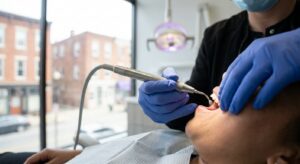
When you arrive for emergency care, your dentist’s priorities are to relieve pain, protect your oral health, and restore your appearance as quickly as possible. Emergency bridge repair is typically a multi step process [1].
1. Evaluation and diagnostics
Your visit usually begins with:
- A detailed description of what happened and when it started
- Clinical exam of the bridge, supporting teeth, and gums
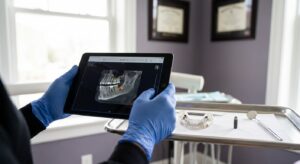
- X rays to check for decay, fractures, and bone support
- Bite assessment to see how your teeth fit together
This evaluation helps your dentist decide whether your current bridge can be temporarily repaired, whether a new temporary bridge is needed, or if another approach, such as emergency dental implant repair or emergency implant support, is more appropriate.
2. Cleaning and preparation
Any temporary or permanent repair must begin with a clean, dry field. Your dentist will:
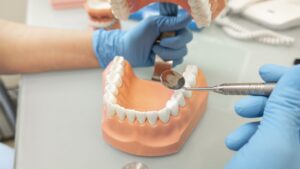
- Clean the bridge and the exposed teeth
- Remove old cement or debris
- Address visible decay if possible during the same visit
- Rinse and disinfect the area to reduce bacteria
This step is important to reduce the risk of future infection or premature failure of the repair.
3. Repair, recementing, or new temporary bridge
Based on what they find, your dentist may:
- Recement a bridge that is intact but has come loose
- Use strong composite resin to repair minor chips or cracks
- Create or place a new temporary bridge or temporary crown if the existing one is too damaged
- Protect exposed teeth with provisional materials while you wait for a lab made solution
Professional repairs often use high quality materials such as composite resins and porcelain that are designed for strength and aesthetics, then the surfaces are polished to restore a natural look and feel [1].
4. Bite adjustment and finishing touches
Once your temporary bridge or repair is in place, your dentist will:
- Check your bite in different positions
- Make fine adjustments so your teeth come together evenly
- Smooth and polish any rough areas
- Confirm that you can speak and chew comfortably
At this stage, your smile should look much closer to normal and you should be able to function with less anxiety about further damage.
Sedation and anxiety sensitive emergency care
You may feel nervous or fearful about emergency dental work, especially when your bridge has broken unexpectedly or when previous dental experiences were difficult. Specialized sedation options can make emergency temporary bridge repair much more manageable.
If you struggle with dental anxiety, you can explore:
- Sedation emergency dental care for urgent situations that still require calm and comfort
- Sedation for anxious emergency patient if fear or panic makes it hard for you to accept care
- Sedation assisted emergency care that blends pain control with relaxation support
- Same day access to an emergency sedation dentist when your case is more complex or time consuming
Sedation can also be helpful when your emergency bridge repair must be combined with other urgent procedures, such as sedated tooth extraction emergency or extensive cosmetic repair after injury.
Pediatric and family focused emergency bridge care
Although full bridges are more common in adults, children and teens can have similar emergencies with crowns, space maintainers, or temporary tooth replacements after trauma. A child who knocks out or fractures a tooth may need immediate protection of the area and future planning for replacement.
Child centered emergency dental care prioritizes:
- A calm, reassuring environment
- Age appropriate explanations
- Gentle techniques to reduce fear and discomfort
If your child has suffered dental trauma, you can seek support from child friendly emergency dentistry, pediatric emergency dentist baltimore, trauma repair for children, or child dental trauma emergency resources that focus on young patients.
For seniors, emergency bridge issues often involve multiple teeth, older restorations, and medical conditions that affect healing. That is why many practices integrate emergency dentistry for seniors into their bridge and denture repair services.
Cosmetic and functional results you can expect
Emergency temporary bridge repair is not only about stopping pain. It is also about restoring how you look and feel as quickly as possible so you can return to your normal life.
Well executed temporary solutions can:
- Recreate the natural shape, color, and alignment of your teeth as closely as possible
- Support your facial appearance by filling visible gaps
- Allow you to smile, speak, and interact with others without feeling self conscious
- Maintain space and alignment so your final bridge or implant solution fits correctly later
If you have additional cosmetic concerns because of chips, fractures, or trauma affecting nearby teeth, coordinated services such as emergency cosmetic dental repair, urgent smile repair, and esthetic emergency dental care can help address your overall appearance in the same visit.
In some cases, you might also need support for surrounding treatments, such as emergency orthodontic repair if a broken bridge interacts with braces or other orthodontic appliances.
Recovery after emergency temporary bridge repair
After your appointment, it is normal to experience mild tenderness or sensitivity for a few days as your teeth and gums adjust. Both Artisan Dental and Dental Care Minot recommend a short recovery period that includes:
- Avoiding hard, crunchy, or sticky foods that could loosen the temporary work
- Chewing gently and favoring the opposite side at first
- Brushing carefully with a soft bristle toothbrush and flossing around, not under, the temporary edges unless your dentist gives different instructions
- Rinsing with warm salt water if your gums are irritated
Mild sensitivity should improve steadily. If pain increases, your bite feels off, or your temporary bridge becomes loose again, you should contact your dentist promptly for reevaluation [1].
A temporary repair should feel comfortable and secure enough that you can eat, speak, and smile with confidence while you move toward a long term solution.
Why timely emergency care protects your long term oral health
Ignoring a damaged bridge can seem easier in the short term, especially if pain is mild, but it carries real risks. A compromised bridge can lead to:
- Misaligned bite and new jaw pain as you change how you chew
- Gum irritation and inflammation at the margins
- Bacterial buildup that causes decay in the supporting teeth
- Spread of infection that may eventually require root canals, extractions, or more complex restorative work
Timely emergency temporary bridge repair stabilizes the situation so you are less likely to face more extensive, costly, or invasive treatments later [1]. It also maintains the shape and alignment of your bite, which is essential if you move on to implants, updated bridges, or other prosthetic options.
In many cases, your emergency visit also becomes the starting point for a comprehensive plan that may include updated restorative work, emergency dental implant repair, or emergency implant support when implants are involved.
Taking the next step to secure your smile
If your bridge is loose, cracked, or has come off, you do not have to wait and hope it improves on its own. Emergency temporary bridge repair can:
- Relieve discomfort
- Protect vulnerable teeth and gums
- Restore your ability to eat and speak more normally
- Rebuild your confidence in your smile
Whether you need anxiety sensitive care with sedation emergency dental care, trauma focused options for your child through child friendly emergency dentistry, or a highly esthetic solution with urgent aesthetic dental fix, specialized emergency services are available to support you.
Reaching out promptly helps you secure your smile today and safeguard your long term oral health.