
Why you may need a pediatric emergency dentist in Baltimore
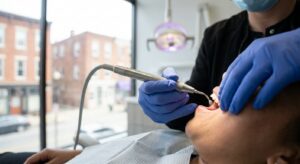
When your child has a sudden toothache, a broken tooth, or a mouth injury, you are not just dealing with pain. You are also facing fear, worry, and the pressure to make the right decision quickly. A pediatric emergency dentist in Baltimore is trained to respond in these high‑stress moments with both clinical expertise and a child‑friendly approach.
Pediatric dental emergencies often result from falls, sports injuries, or accidents at home that cause hits or blows to the mouth. These can lead to soft tissue lacerations, chipped or fractured teeth, dislodged or knocked‑out teeth, as well as painful toothaches and infections that require urgent care [1]. Understanding where to go and what to do can make the difference between saving and losing a tooth, and between lasting trauma and a manageable memory for your child.
By choosing a pediatric emergency dentist, you give your child access to age‑appropriate care, specialized tools, and a calming environment that is designed to support children and teens in crisis.
What sets pediatric emergency care apart
Pediatric emergency dental care is different from general emergency dentistry. Children are still growing, their teeth and jaws are developing, and their emotional needs during an emergency are very specific.
Pediatric dentists specialize in all facets of dental care for children. They focus on making young patients feel comfortable and safe while they restore oral health and function during emergencies [1]. This combination of technical skill and child‑centered communication is particularly important when you need urgent care.
In Baltimore, many pediatric practices also emphasize tailored treatment plans, which means your child is not getting a one‑size‑fits‑all response. Instead, each emergency plan takes into account age, stage of dental development, injury type, and your child’s anxiety level [1].
The role of specialists and team‑based care
Some pediatric emergency dentists work within practices that include multiple specialists. This can be especially valuable when an injury involves complex trauma, developing permanent teeth, or potential long‑term cosmetic impact. Having specialists in‑house supports confident, customized treatment plans and comprehensive care for pediatric dental emergencies in Baltimore [1].
If your child also needs sedation, advanced imaging, or ongoing cosmetic repair after the emergency, a coordinated team can streamline the process and reduce how often your child needs to be moved between providers.
Common pediatric dental emergencies you might face
About one third of children experience some type of dental trauma, so these emergencies are very common [2]. Knowing what you might encounter and how a pediatric emergency dentist in Baltimore can respond will help you stay more grounded in the moment.
Knocked‑out (avulsed) teeth
A knocked‑out tooth is one of the most urgent situations you may encounter.
- If it is a baby tooth, pediatric dentists generally do not attempt to reimplant it, since reimplantation can damage the tooth bud and the developing permanent tooth [2].
- If it is a permanent tooth, the dentist will almost always attempt to reimplant it, especially if you reach care within about one hour of the injury. The faster you act, the better the chance of saving the tooth [2].
In Baltimore, practices like Eastpoint Pediatric Dental Associates advise you to rinse a dirty knocked‑out tooth with milk, avoid touching the root, and, if possible, gently reinsert it into the socket. If you cannot reinsert, you should place it in milk or your child’s saliva and call the office immediately, since a knocked‑out tooth can sometimes be permanently reattached [3].
Displaced or pushed‑in teeth
Not every injury knocks a tooth out. Some push it sideways, outward, inward, or up into the jawbone.
- Tooth displacement injuries such as luxation, extrusion, or lateral displacement need prompt pediatric dental treatment, especially for permanent teeth. Immediate care helps save the tooth and prevent infection [2].
- In cases of dental intrusion, where the tooth is pushed into the jawbone, pediatric dentists may monitor for natural descent or perform root canal therapy depending on severity. In any case, you should contact a pediatric dentist right away [2].
If your child has visible tooth movement or a tooth that appears shorter or longer than before, you should treat it as an emergency.
Chipped, fractured, or broken teeth
Broken or chipped teeth are common after falls, sports impacts, or collisions at home or on the playground [1]. A pediatric emergency dentist in Baltimore typically evaluates:
- How deep the fracture goes
- Whether the nerve is exposed
- Whether there is damage to surrounding teeth or soft tissues
Treatments can range from smoothing and bonding to full coverage restorations. If the injury affects the front teeth, you may later decide to explore emergency cosmetic dental repair, emergency veneer repair, or a broader urgent smile repair to restore esthetics as your child grows.
Severe toothaches and infections
Persistent or intense tooth pain can signal infection, extensive decay, or trauma. Prompt care is important because infections can spread and may affect overall health. Clinics such as Eastpoint Pediatric Dental Associates recommend rinsing the mouth, flossing gently to remove debris, and calling if pain interferes with eating, sleeping, or daily functioning so you can arrange an emergency appointment [3].
In an emergency visit, a pediatric dentist can diagnose the cause, provide pain relief, and recommend definitive treatment, such as pulpotomy, root canal for a permanent tooth, or extraction if needed. If your child is anxious or treatment is extensive, you may consider sedated tooth extraction emergency services.
Soft tissue injuries
Lips, cheeks, gums, and tongue are often injured along with the teeth. Soft tissue lacerations may require cleaning, suturing, or evaluation for embedded tooth fragments. A pediatric emergency dentist is trained to manage these wounds while keeping your child as comfortable as possible.
Jaw injuries and when to go to the ER
If you suspect a fractured jaw or your child has a head injury, you should seek immediate medical attention in an emergency room. These conditions go beyond what a dental office can safely treat [2]. Once your child is medically stable, the pediatric dentist can address any remaining dental issues.
Where to find pediatric emergency dental care in Baltimore
One of the most important parts of preparing for a pediatric dental emergency is knowing in advance where you can go or who you can call.
Dedicated emergency pediatric clinics
Baltimore Emergency Dental offers same‑day emergency dental care specifically tailored for kids and teens. They provide prompt treatment for severe toothaches, cracked teeth, and knocked‑out teeth, and they emphasize a gentle and compassionate approach to help children feel comfortable while pain is relieved and complications are prevented [4].
The clinic also offers expert phone guidance, including first‑aid recommendations to manage dental emergencies until your child can be seen the same day [4]. They accept multiple insurance providers, including Cigna, Delta Premier, and United Concordia, which helps make urgent pediatric dental treatment more accessible for families [4].
Same‑day care is particularly critical for knocked‑out permanent teeth, where immediate reimplantation can sometimes save the tooth and reduce the risk of infection in children and teens [4].
Eastpoint Pediatric Dental Associates also provides emergency dental care for children in Baltimore. They treat knocked‑out teeth, toothaches, broken or chipped teeth, debris stuck between teeth, and soft tissue damage, and they provide clear home‑care instructions while you are on your way [3].
Sparkling Charms Dental Studio offers 24‑hour pediatric emergency dental care with an immediate response for knocked‑out teeth, fractured teeth, severe toothaches, and orthodontic device damage [5]. Their child‑friendly environment and advanced technology support management of complex emergencies, including extreme cavities and lost fillings [5].
Academic and hospital‑based options
The University of Maryland School of Dentistry provides pediatric urgent dental care for children up to age 15 through its Pediatric Dental Clinic. You can reach them at 410‑706‑4213 for emergency treatment in Baltimore [6].
After‑hours pediatric dental emergencies in Baltimore can be managed by contacting the University of Maryland Hospital Emergency Clinic at 410‑328‑6335 [6].
Although the Urgent Care Dental Clinic at 650 West Baltimore Street primarily treats adults, it is useful to know its structure. It operates Monday through Friday on a first‑come, first‑served basis and offers emergency dental services by supervised predoctoral students with fees generally lower than private practices. It accepts PPO insurance and Maryland Medical Assistance, but not HMO plans, and starting July 1, 2025, the fee for an urgent visit that includes exam, X‑ray, and one simple extraction will be $198, due at the time of service [6]. Pediatric patients are handled separately through the Pediatric Dental Clinic.
Practices known for kid‑friendly emergency care
Parents in Howard County and Baltimore County highlight Terrific Smiles for pediatric dental care, including emergency visits. Reviews consistently describe Dr. Ambrose as caring, creative, and enthusiastic with babies, toddlers, and children, and note that the office is very clean, baby‑friendly, and designed to put kids at ease [7].
Families report that the team managed emergency visits efficiently, with painless treatments and smooth recoveries for children, in a bright, airy, kid‑friendly atmosphere. First dental experiences are often described as gentle and thoroughly explained, which can make a big difference when the first visit is also an emergency [7].
Sedation and anxiety management for pediatric emergencies
Many children are frightened by dental visits, and that anxiety is often amplified in an emergency. You may worry about how your child will tolerate treatment if they are already in pain and distress.
This is where sedation and anxiety‑management protocols become especially important. A pediatric emergency dentist in Baltimore may offer:
- Nitrous oxide (laughing gas) for mild to moderate anxiety
- Oral or IV sedation for longer or more complex procedures
- Hospital‑based general anesthesia in specific situations
These approaches can help your child receive urgent care safely and comfortably. If your child is especially fearful, you may want to explore services that focus on sedation for anxious emergency patient needs, as well as practices that provide sedation assisted emergency care or a dedicated emergency sedation dentist for complex cases.
When extractions cannot be postponed, a provider experienced in sedated tooth extraction emergency will be able to balance clinical urgency with your child’s emotional well‑being. If you are also exploring broader options for sedation emergency dental care, ask about how these services are adapted for children and teens.
Child‑friendly environments and communication
A key part of pediatric emergency dentistry is not just what the dentist does, but how the team interacts with your child.
Many Baltimore offices focus on:
- Bright, playful decor and kid‑sized furniture
- Calm, child‑level explanations of what will happen
- Distraction techniques such as TV, music, or toys
- Clear communication with you about diagnosis, options, and costs
Practices like Sparkling Charms emphasize gentle techniques and a comforting environment with flexible hours from early morning into the evening and on Saturdays to accommodate urgent needs [5]. Others, like Terrific Smiles, highlight detailed explanations that help both children and parents feel confident in the care provided [7].
If a truly child friendly emergency dentistry experience is a priority for your family, you can look for offices that emphasize pediatric training, patient reviews, and a visible focus on communication.
Cosmetic and orthodontic repair after pediatric injury
Emergency care is first about stopping pain and stabilizing the situation. Once your child is comfortable and the acute phase is over, you may also need to think about how to restore appearance and function, especially for front teeth or orthodontic appliances.
Cosmetic repair and esthetic planning
If an accident has chipped, fractured, or discolored a permanent tooth, you might later explore:
- Emergency cosmetic dental repair to restore shape or color
- Emergency veneer repair if veneers were damaged in the incident
- Urgent aesthetic dental fix options when appearance is an immediate concern
- Broader cosmetic repair after injury planning as your child matures
For growing children, a pediatric dentist will often coordinate short‑term esthetic solutions now and more permanent options once growth is complete. This staged approach helps protect both function and self‑confidence through the teen years.
Orthodontic and appliance‑related emergencies
Dental trauma can also damage braces, wires, retainers, or space maintainers. Bent or broken wires can injure cheeks and gums, and broken brackets can interfere with ongoing orthodontic treatment.
In these situations, you may need emergency orthodontic repair alongside trauma care. A pediatric emergency dentist who routinely works with orthodontists can stabilize the injury, prevent soft tissue damage from loose wires, and coordinate repair of your child’s braces or appliances.
If your child has temporary bridges or other restorative work, options like emergency temporary bridge repair and emergency implant support are typically more relevant for adults. However, teens who have prosthetic or implant‑related work after previous trauma may also require these services if they experience a new injury.
Sports, prevention, and reducing the risk of future injuries
Many pediatric dental emergencies in Baltimore occur on playing fields, courts, or playgrounds. Proactive steps can significantly reduce the risk of severe injury.
Eastpoint Pediatric Dental Associates recommends custom‑made athletic mouthguards for children who play sports, including those with braces. These guards protect teeth, gums, and orthodontic appliances, and they can be more comfortable than basic store‑bought options. While boil‑and‑bite guards are available, a custom guard is generally more secure and easier for your child to wear consistently [3].
You can ask your pediatric emergency dentist about long‑term strategies for trauma repair for children and how to combine prevention with monitoring as your child’s permanent teeth come in. For families with multiple generations seeking urgent care planning, it can also be useful to understand resources such as emergency dentistry for seniors so everyone in your household knows where to turn.
If you prepare now, identify a pediatric emergency dentist in Baltimore, and understand the steps to take during a crisis, you will be better equipped to protect your child’s smile and overall well‑being when an unexpected injury happens.
By familiarizing yourself with local pediatric emergency services, sedation options, and child‑friendly practices, you give yourself a plan and give your child the best chance at a calm, effective recovery after a dental emergency.