Understanding emergency dental with Medicaid
When you are in pain and worried about money, it can feel impossible to figure out where to go. If you need emergency dental care and you have Medicaid, you already have an important layer of protection. The challenge is understanding what is covered, how to find a dentist who accepts your plan, and what to do if you still have out of pocket costs.
When you understand how emergency dental with Medicaid works, you can make faster decisions and avoid delaying care. You can also combine your Medicaid coverage with other tools like affordable emergency dentistry, payment plans, and discount options so that cost is less likely to keep you from getting treated.
What counts as a dental emergency
Medicaid focuses on medically necessary and emergency care. Knowing what typically qualifies as an emergency can help you explain your situation clearly when you call a dentist, a Medicaid help line, or triage nurse.
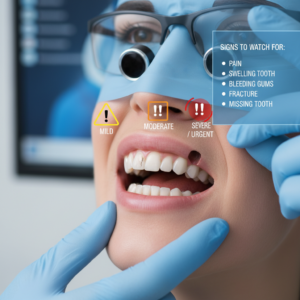
You should seek emergency dental care if you have:
- Severe toothache that does not improve with over the counter pain relief
- Swelling in your face, jaw, or gums, especially if it spreads or affects breathing or swallowing
- Dental abscess or visible pus near a tooth or gum
- Knocked out, cracked, or broken teeth from an accident or injury
- Bleeding that does not stop with gentle pressure
- Trauma to your mouth, jaw, or face that involves teeth or gums
Many Medicaid programs pay for these kinds of urgent, medically necessary services. In some states, coverage is broader and includes more restorative work after the emergency is stabilized. In others, benefits are more limited and focused on relieving pain and infection.
If you are unsure whether your situation counts as an emergency, describe your symptoms to the dental office when you call. If you have trouble finding a dentist quickly, resources like an urgent dental cost estimate page can help you understand potential fees if you need to pay anything out of pocket.
How Medicaid dental coverage works
Medicaid is a joint federal and state program, and each state sets its own adult dental benefits. That means emergency dental with Medicaid looks different depending on where you live and which plan you have.
For children and teens under 21, most state Medicaid programs must provide comprehensive dental benefits. These typically include exams, cleanings, X rays, fillings, and emergency care. For adults, dental coverage can range from emergency only to comprehensive packages that include preventive and restorative services.
Some important points to keep in mind:
- Coverage is usually stronger for children and youth
- Pregnant people often have additional benefits during pregnancy and postpartum
- States can expand or limit adult dental benefits over time
- You must see a dentist who accepts your Medicaid plan to use your benefits
If you are comparing Medicaid to other options, it can help to look at how it fits alongside other emergency dental coverage insurance choices, especially if you are between jobs or changing plans.
State examples: Virginia Medicaid emergency dental
Virginia is one of the states that has significantly expanded dental benefits for adults. If you live in Virginia, you may have broader options for emergency dental with Medicaid than you realize.
Virginia’s Medicaid program, Cardinal Care Smiles, now provides dental coverage for adults as well as children, and it is managed by DentaQuest. Medicaid members can receive dental services at no cost if they choose providers who accept Medicaid [1].
Key points about Virginia Medicaid dental benefits:
- Adults and children receive coverage through Cardinal Care Smiles
- Services include medically necessary and emergency dental treatments for eligible members [1]
- Children enrolled through age 20 have access to comprehensive dental services, which helps ensure emergency needs are addressed for this age group [1]
- Pregnant members enrolled in Medicaid or FAMIS MOMS, ages 21 and older, have additional dental coverage during pregnancy that supports both preventive and emergency care [1]
If you are a Virginia Medicaid member, you can contact DentaQuest at 1 888 912 3456 or use the DentaQuest online search tool to find dentists who accept your plan in your zip code [1]. This is one of the fastest ways to locate an emergency dentist that accepts Medicaid close to you.
State examples: California Medi Cal emergency dental
If you are in California, Medi Cal is the Medicaid program that includes dental coverage. The state maintains an online provider directory that lets you search for dentists who may be accepting new Medi Cal patients for emergency and routine services.
You can use the Medi Cal Provider Directory to:
- Search by county or city
- Filter by dental specialty, such as General Practitioner, Oral Surgeon, Endodontist, or Pedodontist
- Filter by language spoken in the office
This makes it easier to find an emergency dentist who is both in your area and able to communicate in your preferred language [2].
If you have trouble finding a provider who is taking new patients, you can call the Medi Cal Dental Telephone Service Center at 1 800 322 6384 for additional help [2]. Interpreter services in over 240 languages are available at this number so language is not a barrier to getting emergency dental guidance [2].
Medi Cal dental providers must also comply with the Americans with Disabilities Act, including wheelchair accessibility, so emergency dental with Medicaid is more accessible for people with disabilities. Concerns about accessibility can be reported to the same telephone service center during business hours [2].
Recent trends in Medicaid adult dental coverage
If you live outside Virginia or California, your state may still be expanding or adjusting adult dental benefits. Checking current information is important, because rules often change.
The Medicaid Adult Dental Coverage Checker provides a state by state analysis of adult dental benefits, including what is available for emergency and medically necessary care. This tool is based on data self reported by state Medicaid dental programs in a 2025 survey, with details current as of December 31, 2024 [3].
A few recent examples show how coverage is shifting:
- Utah expanded adult dental benefits to cover all adults effective April 1, 2025, including exams, X rays, cleanings, fillings, crowns, root canals, dentures, and extractions. This expansion improves access to emergency dental services statewide [3].
- Nevada offers a limited adult dental benefit package, through an 1115 Waiver approved in July 2024, for non pregnant adults with diabetes. Covered services include diagnostic, preventive, restorative, endodontic, and periodontic care through selected federally qualified health centers and Tribal Health Centers, which can help address emergency needs for this high risk group [3].
- Arkansas passed legislation effective September 1, 2025, increasing the annual Medicaid dental benefit maximum for adults with special needs from $500 to $1,000 and raising reimbursement rates for oral and maxillofacial surgery and pediatric dental services. These changes may support better access to emergency dental care for vulnerable populations [3].
- Since 2015, Virginia has provided comprehensive adult dental benefits to pregnant beneficiaries and extended coverage to 12 months postpartum starting in 2021. This includes at least four dental visits during pregnancy, which can address emergency dental needs and help prevent serious complications. New 2025 legislation requires annual reporting on service usage and health outcomes [3].
If you are not sure what your state covers, using the coverage checker or calling your state Medicaid office can give you a clearer picture before you schedule care.
If you have severe pain, swelling, or signs of infection, you should not wait for perfect information before seeking help. You can verify coverage while you arrange emergency treatment so that you do not delay care.
Finding an emergency dentist who accepts Medicaid
The most important practical step is finding a dentist who accepts your Medicaid plan and can see you quickly. In many areas, you have several options.
You can:
- Call the number on your Medicaid insurance card and ask for a list of dentists who handle emergency appointments
- Use your state Medicaid or plan website to search for in network providers by zip code
- Ask directly about same day or next day availability for emergencies when you call an office
If you are in or near a major city, some practices specialize in rapid access. For example, if you are looking for a same day dental appointment Baltimore, you can focus on offices that offer urgent slots for Medicaid members and other insured patients. When you call, mention your symptoms, your Medicaid plan name, and how long you have been in pain. This helps the staff decide how quickly you should be seen.
It can also help to:
- Ask if the office is an emergency dentist that accepts insurance, including Medicaid and commercial plans
- Confirm whether they are an insurance verified dentist Baltimore or similar service in your area so that your benefits can be checked before treatment whenever possible
- Look for urgent dental care in network so that your out of pocket cost stays as low as your benefits allow
If you cannot find a dentist right away, hospital emergency departments can manage pain and infection in true emergencies. However, they may not be able to provide definitive dental treatment. Follow up with a dentist is almost always necessary.
What Medicaid often covers in emergencies
Coverage details vary by state, but many Medicaid programs will help pay for:
- Emergency exams and problem focused visits
- X rays needed to diagnose the problem
- Drainage of an abscess or treatment of infection
- Extractions of severely damaged or infected teeth
- Limited restorative work that is medically necessary
Some states, like Utah, now cover a broader range of services including cleanings, fillings, crowns, root canals, and dentures for adults, which can significantly improve your options for stabilizing and restoring your teeth after an urgent issue [3].
If you are facing a complex procedure, such as an urgent root canal, it can be useful to understand the typical cost of emergency root canal and how Medicaid and other plans may reduce that amount. In some cases, Medicaid covers extraction but not a root canal, which may influence your treatment decision.
When Medicaid is not enough: Managing remaining costs
Even with emergency dental with Medicaid, you may still have some costs. These can come from:
- Services that are not covered in your state
- Providers who are out of network
- Limitations on how many procedures are covered in a year
- Small co payments or share of cost requirements
If you learn that a recommended treatment is not fully covered, you still have options to avoid delaying care.
You can ask the office about:
- Emergency dental financing options if a larger procedure is needed
- A payment plan for emergency dental work so that you can spread out the cost
- An urgent dental payment plan that is tailored to unexpected situations
- Whether they offer an emergency dental discount plan or in house membership that reduces fees for uninsured services
You can also review emergency dental payment options that combine Medicaid coverage, discounts, and short term financing. Planning around your budget does not mean you have to postpone essential care.
If cost is your main worry, some clinics focus specifically on emergency dental low cost care or budget emergency dental Baltimore and similar programs in other cities. These clinics may work closely with Medicaid and also offer flexible arrangements for any remaining balance.
Using walk in and same day services with Medicaid
Many people do not realize that some walk in and same day dental clinics accept Medicaid. If your pain worsens suddenly, it is worth calling ahead to confirm which walk in locations are in network.
You can:
- Search for walk in dental with insurance and check whether Medicaid is accepted
- Ask the front desk how they handle emergency visits for Medicaid members
- Request that your insurance be verified before major treatment begins whenever possible
Same day appointments are especially important if you have swelling, difficulty swallowing, or trauma. A practice that offers fast dental appointment payment options can often combine a quick clinical response with clear financial communication so that you know where you stand before you commit to more complex procedures.
If you already have private insurance in addition to Medicaid, understanding insurance accepted emergency dentist policies can help you decide which card to use first and how to coordinate your benefits. Some offices will help you review insurance for emergency dental care and choose the combination that gives you the most coverage.
Steps to take before and during your visit
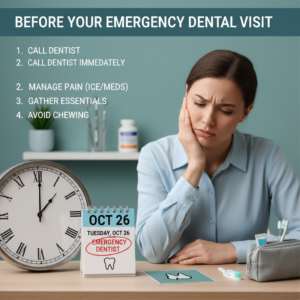
When you are in pain it is hard to think clearly, but a simple checklist can help you prepare for an emergency dental visit with Medicaid.
Before you go:
- Locate your Medicaid insurance card and any other dental insurance cards you have.
- Call your Medicaid customer service line or plan to confirm your eligibility if your coverage status is uncertain.
- Use provider directories or your plan’s website to find an in network office that offers emergency slots or same day care.
- Ask what documents you should bring, such as ID, medication list, or referral forms.
At the dental office:
- Tell the team you are there for an emergency and describe your symptoms clearly.
- Present your Medicaid card and any secondary insurance.
- Ask for a basic explanation of what your plan is likely to cover and whether any services would be out of pocket.
- If uncovered services are recommended, ask if there are alternative treatments that are covered.
- If you need to pay part of the cost, discuss emergency dental financing options or a payment plan for emergency dental before you leave.
Even if everything cannot be answered before treatment begins, this conversation helps you avoid surprises and gives you a written record of what to expect.
When to seek help immediately
There are situations where you should seek help right away even if you have not been able to fully confirm coverage.
Go to an emergency dentist or, if necessary, a hospital emergency department if you have:
- Swelling that makes it hard to breathe or swallow
- Fever with facial swelling or severe dental pain
- Trauma to your face, jaw, or mouth after an accident
- Uncontrolled bleeding from your gums or a recent extraction site
- A tooth that has been knocked out
Medicaid policies are designed to support medically necessary and emergency care, and providers can often work with you on payment for any uncovered parts after the immediate crisis is under control.
If you are worried about cost, combining your Medicaid coverage with resources such as affordable emergency dentistry, emergency dental low cost clinics, and structured emergency dental payment options can make urgently needed care more manageable.
By understanding how emergency dental with Medicaid works in your state, knowing how to find in network dentists quickly, and being prepared to ask about financial options, you give yourself the best chance to get timely, effective treatment without letting cost stop you from protecting your health.