
Why insurance for emergency dental care is confusing
When you are in serious dental pain, the last thing you want to worry about is what your insurance will and will not cover. Yet insurance for emergency dental care has real limits. Those limits affect where you can go, how fast you can be seen, and how much you will pay out of pocket.
Most dental plans do cover true emergencies such as severe toothaches, broken teeth, or infections, but coverage varies widely by policy and by situation [1]. Medical insurance may help in some accident or infection cases, but it is not a blanket solution for every urgent dental visit [2].
Understanding these limits before you need care can help you move faster in a crisis, choose the right provider, and avoid surprise bills. It can also help you find realistic backup options like emergency dental financing options and discount plans if your insurance falls short.
What counts as a dental emergency to insurers
You and your insurer may not define a dental emergency the same way. You might feel desperate to be seen today. Your plan, however, usually has a narrower definition of what qualifies as an emergency.
Typical insurance definition of an emergency
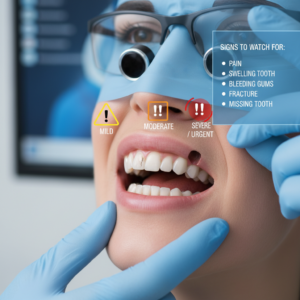
Most insurers define a dental emergency as a condition that needs immediate treatment to:
- Relieve intense or severe pain
- Stop ongoing or uncontrollable bleeding
- Treat or prevent a serious infection or swelling
Common examples include severe toothaches, broken or cracked teeth, dental abscesses, and injuries to the mouth or jaw [1]. In these situations, your plan is more likely to cover an emergency exam and necessary urgent treatment.
Issues that often do not qualify as emergencies include:
- Minor, intermittent tooth sensitivity
- Small chips without pain
- Loose fillings that do not hurt
- Cosmetic concerns such as slight veneer or crown imperfections
These may still need attention, but your plan may treat them as routine care, with different cost sharing or waiting periods.
Dental vs medical insurance in emergencies
You might have both dental insurance and medical insurance. In an emergency, each can play a different role.
- Dental insurance usually covers the exam, X‑rays, and procedures like fillings, extractions, or root canals when they are clinically necessary in an urgent situation [1].
- Medical insurance sometimes steps in when the dental emergency is related to accidents, trauma, or severe infections that are considered medically necessary to treat. For example, facial trauma from a car accident or a spreading oral infection may be billed to medical insurance [2].
However, medical insurance does not usually cover routine dental work or standard toothaches. To use medical coverage, your dental provider has to document medical necessity and submit a proper claim. That process can be complex, which is why many offices rely on specialized billing support to navigate medical claims and appeals [2].
How dental insurance typically covers emergencies
Most dental plans offer some coverage for emergencies, but the details are easy to miss until you actually need care. Understanding the common patterns helps you know what to expect and how to plan.
Covered services and typical limits
In many plans, emergency coverage includes:
- An emergency or limited problem-focused exam
- X‑rays needed to diagnose the problem
- Immediate procedures that relieve pain or stabilize the tooth, such as simple extractions, temporary fillings, or drainage of an abscess
These services usually count toward your annual maximum, and you may still pay a deductible and a percentage of the fee.
Insurance companies generally treat these emergency procedures within the same structure as routine care. Your usual deductible, co‑payment, and annual maximum often still apply [3]. If you have already used much of your benefit for the year, your coverage for an emergency may be more limited than you expect.
Some plans also have:
- Waiting periods for certain procedures, especially major services or root canals [1]
- Different coverage levels for in‑network versus out‑of‑network emergency dentists
- Caps on how many emergency visits are covered per year
You can see how these rules apply for your situation by reviewing your policy or speaking with an insurance verified dentist baltimore before you need urgent care.
Network and location restrictions
With many PPO and DHMO plans, your costs are lower when you see an in‑network provider. In an emergency, that network still matters.
- If you use urgent dental care in network, your fees are based on negotiated rates and your plan’s normal cost sharing.
- If you go out of network, your insurance may cover a smaller percentage or nothing at all, leaving you responsible for the full office fee and any extra charges [3].
Some DHMO‑style plans do not cover out‑of‑network emergency care unless it is truly life threatening. That is why it helps to know which emergency dentist that accepts insurance is close to you and available after hours.
If you are traveling, many large carriers, including Delta Dental, extend emergency coverage to in‑network dentists you find elsewhere in the United States, though out‑of‑country coverage varies by plan [3].
For emergencies abroad, plans like Delta Dental typically require you to pay the dentist first, then submit a claim with translated receipts and dollar conversions to seek reimbursement [4].
What insurance usually will not cover in an emergency
There are several common limits that surprise patients when they receive the bill for emergency dental care. Knowing them ahead of time can help you avoid missteps.
ER and urgent care visits for dental problems
If you go to the hospital ER or a medical urgent care clinic for dental pain, your dental insurance generally does not apply. Those facilities bill under your medical plan instead, and often they will only provide pain management or antibiotics, not definitive dental treatment.
Delta Dental notes that emergency room or urgent care visits for dental issues are usually not covered by dental benefits. Any costs for those visits, including prescriptions, are typically handled through your medical plan instead [3].
If your situation is life threatening, such as:
- Severe facial swelling making it hard to breathe or swallow
- Uncontrollable bleeding
- High fever with facial infection
you should still go to the ER or call 911. In non life threatening cases, however, you will usually save both time and money by contacting an emergency dentist directly or booking a same day dental appointment baltimore when possible.
Cosmetic and elective upgrades
Insurance for emergency dental care is designed to restore function and relieve pain, not to pay for cosmetic or purely elective choices. In an urgent setting, that often means:
- Covering a basic filling but not an upgraded tooth‑colored material in a back tooth, depending on the plan
- Covering a necessary extraction but not an immediate implant or cosmetic bridge, especially if there are less expensive options available
If you chip a tooth and you are not in pain, insurance may not treat it as an emergency at all. If you are in pain and need immediate bonding or a temporary crown, your plan may cover the urgent step but not a later cosmetic refinement.
Out‑of‑network and “convenience” costs
If you go to a high‑fee out‑of‑network office or choose elective extras like premium materials or sedation that are not medically required, your plan may either:
- Cover a smaller share and leave you with a higher balance
- Limit coverage to the amount it would have paid an in‑network dentist, with you paying the difference
Some plans also exclude coverage for:
- Missed appointment fees
- Weekend or after‑hours surcharges
- Non essential diagnostic tests
If you need to be seen quickly and are worried about cost, offices that offer affordable emergency dentistry or a budget emergency dental baltimore option can help you understand your financial responsibility before you agree to treatment.
How much emergency dental care can still cost with insurance
Even with insurance, you may face meaningful out‑of‑pocket costs. That is partly because emergency care often involves complex procedures, and partly because most dental plans have annual maximums and cost‑sharing rules.
Typical price ranges for common emergencies
Without insurance, many urgent procedures fall into these rough ranges:
- Common emergency procedures like extractions, root canals, or abscess treatment may run from around 200 dollars to 1,500 dollars or more depending on complexity and urgency [5].
- A simple filling may cost from about 139 dollars to 976 dollars, while more complex treatments such as root canals with crowns or implants can reach into the thousands [6].
- Treating cracked or chipped teeth may involve anything from a filling to an extraction with implant placement. A surgical extraction with implant placement averages around 3,058 dollars [6].
Insurance may cover part of these costs, but often not all. You might still owe:
- Your annual deductible
- A co‑insurance percentage, often 20 to 50 percent
- Any amount above your plan’s maximum for the year
If you know you need a specific procedure, resources such as cost of emergency root canal and urgent dental cost estimate can help you get a more personalized range before you commit.
Why costs vary so much
Several factors affect what you will pay, with or without insurance:
- The exact procedure needed and its complexity
- Whether you need sedation or multiple visits
- The location and cost of living in your area, since urban practices often charge more than rural ones [5]
- Whether your dentist is in network with your plan
- How much of your annual benefit you have already used
If you do not have insurance, you are responsible for the full fee, without discounted network rates or covered portions that insured patients receive [5]. That is why understanding all your payment and financing options matters just as much as understanding your coverage.
Even with insurance, it is smart to ask for a written estimate and discuss payment options before your dentist proceeds with non life threatening treatment.
When medical insurance can help with dental emergencies
You may be able to reduce your out‑of‑pocket costs if part of your emergency care qualifies for medical insurance coverage. This is not guaranteed, but it is worth exploring in certain situations.
Emergencies that may qualify as medical
Medical plans are more likely to cover dental related care when:
- The emergency stems from an accident, such as a fall or car crash
- You have facial trauma affecting more than just the teeth
- You have a severe infection that threatens your general health
- You require hospitalization or operating room care
In those cases, billing your medical insurance for some procedures or hospital services can significantly reduce your direct expenses [2].
What you need to file a medical claim
To bill emergency dental treatment to medical insurance, your provider generally has to submit:
- Your medical insurance information
- Detailed clinical notes showing medical necessity
- Treatment codes that match both the dental service and the medical condition
- Supporting documentation such as X‑rays, photos, or hospital records
Timely filing helps avoid denials. If a claim is denied, you or your provider can appeal by correcting missing documentation, clarifying medical necessity, or addressing coding issues. A clear appeal letter and strong evidence improve the odds of success [2].
Many dentists rely on expert billing assistance to handle these complex claims, which can lighten the financial burden on you as a patient [2].
If you have Medicaid or limited dental benefits
If you rely on Medicaid or have a limited dental plan, emergency coverage rules can look very different from traditional employer or individual plans.
Emergency only adult dental coverage
In some states, Medicaid covers adult dental services only in emergencies, not for routine care. In this situation, you might have coverage for:
- Emergency exams
- Necessary extractions
- Infection control
but not for fillings, crowns, or ongoing restorative work.
Checking your options in advance with a provider familiar with emergency dental with medicaid can help you understand when your care is covered and when you may need another payment solution.
Network and access limits
With public plans and some low‑premium private plans, your choice of providers is often smaller. Not every office participates in these programs, and some that do may have limited emergency slots available.
To improve your access, look for clinics that clearly list insurance accepted emergency dentist and offer walk in dental with insurance when possible. This helps you find same day or next day care without extensive phone calls during a stressful time.
Options when insurance does not cover everything
Insurance for emergency dental care rarely eliminates all costs. If you are faced with a large balance, you still have several options to make urgent treatment more manageable.
Payment plans and in‑office financing
Many dental practices offer flexible payment arrangements, especially for emergencies. These might include:
- In‑house installment plans, where you pay part upfront and the rest over time
- Third party financing with health care credit cards or loan companies, which can sometimes offer promotional low or no interest periods [6]
- Customized payment plan for emergency dental tailored to your budget
Structured plans like urgent dental payment plan and fast dental appointment payment can allow you to get care right away rather than delaying until you can save the full amount.
Discount plans and reduced fee options
If you do not have traditional insurance or your benefits are maxed out, you can ask about:
- In‑house membership programs that offer reduced fees for a yearly enrollment
- Emergency dental discount plan options that provide lower negotiated rates at participating offices
- Community clinics or dental schools that offer emergency dental low cost treatment for qualifying patients
These programs do not replace insurance, but they can significantly lower the price you pay for urgent visits and necessary procedures.
Planning ahead for future emergencies
You cannot predict when you will crack a tooth or develop a sudden abscess, but you can reduce the financial shock by:
- Reviewing your dental benefits now to see how emergency services are covered, including in‑network rules and annual maximums [7]
- Setting aside a small emergency fund for health and dental needs
- Considering a standalone dental plan or short term dental coverage if you currently have none, especially if you are at higher risk for dental issues [1]
- Choosing a local office that clearly explains emergency dental coverage insurance and offers clear emergency dental payment options
When an emergency does happen, this preparation lets you focus on your health, not just the bill.
How to act quickly and protect your wallet in an emergency
When you are facing severe pain or swelling, you need both fast care and clear information. You can protect yourself medically and financially by following a simple approach.
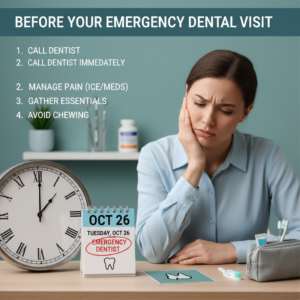
- Decide if it is life threatening. If you have trouble breathing, swallowing, or controlling bleeding, go to the ER or call 911 right away [7].
- Contact a dentist as soon as possible. For non life threatening issues like strong toothaches, chipped teeth, or mouth cuts, call an emergency dentist promptly so the problem does not worsen or become more expensive to treat [7].
- Verify your insurance on the call. Ask whether the office is in your network and confirm they are an emergency dentist that accepts insurance. Provide your plan details so they can give you a preliminary estimate.
- Ask about same day availability and costs. See if they offer a same day dental appointment baltimore or similar urgent slot, and request an itemized cost estimate for the exam, X‑rays, and likely treatment.
- Discuss payment and financing upfront. Before treatment, review your share of the cost and explore emergency dental financing options like in‑house plans or health care credit cards if needed.
By combining a realistic understanding of what your insurance can cover with practical backup options, you give yourself the best chance to get the care you need quickly, without letting cost stand in the way of essential treatment.