
Understand oral rinse benefits
After an emergency dental procedure, maintaining oral hygiene is critical to prevent infection and support healing. An antiseptic oral rinse can reach areas that brushing and flossing often miss, flushing out debris, bacteria, and food particles without disturbing delicate tissues. While you should never replace brushing and flossing with a mouthrinse, adding a rinse to your routine can complement mechanical cleaning and help keep surgical sites clean [1].
Mouthrinse is particularly helpful in the days following extractions, root canals, crown repairs, or trauma treatment, as it can soothe and protect vulnerable tissues when used correctly. Your dentist may recommend specific instructions as part of your post-emergency dental cleanup or emergency dental aftercare instructions. By understanding how and when to use an oral rinse, you arm yourself with a simple, effective tool to reduce infection risks and promote comfort.
Select appropriate mouthrinse
Not all rinses are the same. Some contain strong antimicrobials, others rely on natural ingredients or simply salt and water. Choosing the right formula depends on your procedure, risk factors, and personal tolerance. Below is a comparison of common types so you can discuss options with your provider.
| Mouthrinse type | Benefits | Potential risks |
|---|---|---|
| Chlorhexidine (0.12–0.2%) | Powerful antiplaque, helps reduce dry socket risk after extractions [1] | Tooth staining, taste alteration, mucosal lesions; risk increases with longer use [2] |
| Cetylpyridinium chloride (CPC) | Antimicrobial action, freshens breath | Potential staining and taste changes in studies over six months; shorter use shows minimal effects [2] |
| Essential oil–based | Antimicrobial and anti-inflammatory, pleasant flavor | Mild staining, altered oral sensations, tongue irritation; generally less severe than chlorhexidine [2] |
| Salt water | Gentle, promotes mucosal healing, low cost | No major adverse effects, but weaker antimicrobial strength than medicated rinses |
Always follow your dentist’s prescription when using chlorhexidine or CPC formulations, as these products can impair taste and stain teeth if overused. If you prefer a natural approach or have sensitive tissues, an essential-oil rinse or a simple warm salt water solution may work well. Regardless of the type, rinse only as directed in your emergency dental post op instructions to avoid disrupting blood clots or sutures.
Use proper rinsing technique
Even the best mouthrinse can be ineffective if you do not use it correctly. Following these guidelines ensures that the solution reaches the right areas without harming your healing tissues.
Frequency and timing
Typically, you should begin rinsing 24 hours after extraction or surgery, unless otherwise instructed. For chlorhexidine, your dentist might recommend twice-daily use for four to six weeks to support plaque control [3]. Salt water rinses can start sooner—often the day after your procedure—several times per day to soothe inflammation and clear debris.
Do not rinse immediately after surgery, as vigorous swishing can dislodge clots. Follow the schedule provided in your emergency dental post op instructions or tailored guidance in your after root canal follow up.
Swishing method
Measure the prescribed amount of rinse, usually 10–15 milliliters, and swish gently for 30 seconds. Lean over the sink and allow the fluid to move around the surgical site without spitting forcefully. Tilt your head from side to side to reach back teeth or areas under flaps. After 30 seconds, let the solution fall out of your mouth rather than spitting it out hard, which can disturb healing tissues.
Between rinses, avoid eating or drinking for at least 15 minutes so the active ingredients remain effective. Rinse your mouth quietly and calmly, and discard any excess liquid; do not swallow medicated rinses unless specified by your clinician.
Manage discomfort and swelling
Swelling and discomfort are common after emergency dental procedures. Alongside an antiseptic rinse, you can use medications and home remedies to keep pain under control and reduce inflammation.
Medication options
If you have been prescribed pain medication as part of your post procedure dental pain meds, take it exactly as directed. Over-the-counter NSAIDs like ibuprofen help both pain and swelling by blocking inflammatory pathways. Acetaminophen can complement NSAIDs if additional relief is needed, but avoid doubling up on products that share the same active ingredients.
For extraction sites, a combination of ibuprofen and acetaminophen often provides superior relief compared to either medication alone [4]. Do not skip doses during the first 48 hours, when discomfort typically peaks.
Home remedies
Cold compresses applied to the outside of your face for 15-minute intervals in the first 24–48 hours can dramatically reduce swelling. After 48 hours, switch to warm compresses or gentle salt water rinses to promote circulation and healing. Elevate your head with extra pillows when resting to minimize fluid pooling in your jaw.
A soft diet, including yogurt, applesauce, and blended soups, prevents unnecessary chewing that could irritate treatment areas. For tailored meal ideas, see our diet after emergency dental procedure resource.
Safeguard healing tissues
Protecting the blood clot and supporting your body’s natural repair mechanisms is essential to avoid complications like dry socket or wound reopening.
Protect the clot
Do not rinse vigorously, spit forcefully, smoke, or use straws during the first week, as these actions can dislodge the clot that forms over an extraction site. If you have sutures from an emergency repair, follow your healing care dental extraction instructions to keep the area clean without causing trauma.
Avoid brushing directly on the surgical site for at least 48 hours. After that, use a soft-bristle brush and carefully clean around the margins of the wound.
Adjust your diet
Stick to soft, cool foods for the first few days. Smoothies, milkshakes without a straw, mashed potatoes, scrambled eggs and well-cooked pasta provide nutrition without stressing healing tissues. As you progress, gradually reintroduce firmer foods once comfort allows.
If you had a crown placed in an emergency visit, avoid sticky or hard items like nuts and caramel; refer to our after emergency crown care guidelines for more details.
Identify infection warning signs
Even with meticulous care, infection can develop. Early recognition and prompt action help you avoid serious complications.
Common symptoms
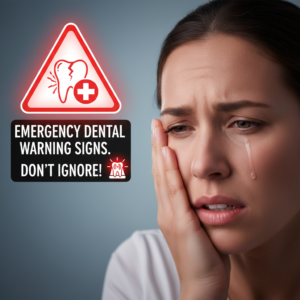
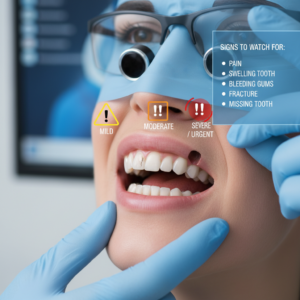
Watch for persistent or worsening pain two or more days after your procedure. Noticeable signs include:
- Increasing facial swelling beyond the initial 48-hour peak
- Foul taste or odor at the treatment site
- Redness or warmth around the wound
- Pus or discharge from the incision
- Fever over 100.4°F
These symptoms may indicate localized infection or abscess formation. Infections after an abscess treatment also present similar warning signs [5].
When to seek help
If you experience any of these signs, arrange a follow up emergency dental visit as soon as possible. Unresolved infection can spread to adjacent tissues and delay healing. Your dentist may prescribe antibiotics, adjust your aftercare plan, or recommend an in-office cleaning to remove bacterial buildup.
Schedule follow-up appointments
A clear follow-up schedule ensures your recovery stays on track and complications are caught early.
Routine check ins
Most patients return for a standard post-op check within 7 to 10 days. During this visit, your provider will assess tissue healing, remove sutures if needed [6], and review your progress. If you had a root canal, this appointment also serves as your after root canal follow up to verify that the canal is sealed and healing properly.
For complex trauma cases or multi-site surgery, your dentist may recommend additional visits at two and four weeks. Ask about specialized support at our emergency dental recovery clinic.
Emergency visits
Should you encounter sudden severe pain, persistent bleeding, high fever or signs of spreading infection, call for an emergency dental follow up appointment immediately. Do not wait for your next scheduled visit if your symptoms escalate; timely intervention can prevent more extensive treatment later.
By pairing a prescribed oral rinse with proper technique, pain management and protective measures, you significantly reduce the risk of infection and promote a smoother recovery. Stay in close touch with your dental team, follow your personalized emergency dental recovery plan, and reach out at the first hint of trouble to keep your smile on the path to full health.