
Understanding dental pain
Post-procedure dental pain is your body’s response to tissue manipulation and inflammation, and it can range from mild tenderness to severe discomfort. According to the American Dental Association, about 30% of patients experience moderate discomfort following dental surgery, while only 5% report severe pain requiring immediate medical attention [1]. Identifying the nature and timeline of your pain helps you choose the right medication and follow-up plan.
In the first 24 to 48 hours after a procedure such as a filling, extraction, or root canal, inflammation peaks and you may feel throbbing pain or sensitivity to hot and cold. Beyond day three, pain should steadily decrease as swelling subsides and tissues begin to heal. If your discomfort persists or intensifies after a week, it could signal infection or other complications—you should then seek a follow up emergency dental visit.
Understanding normal pain progression empowers you to manage discomfort safely and recognize warning signs. Combining the right post procedure dental pain meds with proper aftercare can accelerate healing and help you return to everyday activities with confidence. For tips on managing swelling and oral hygiene, see our guide to post procedure dental care.
Choosing non-opioid options
When it comes to post-procedure dental pain meds, non-opioid medications often provide the most effective relief with fewer side effects. Nonsteroidal anti-inflammatory drugs (NSAIDs) and acetaminophen work through different mechanisms—NSAIDs reduce inflammation at the surgical site, while acetaminophen blocks pain signals in the central nervous system. In many cases, combining the two maximizes comfort without opioids.
In a randomized trial of 1,800 patients undergoing wisdom tooth removal, participants who took acetaminophen and ibuprofen experienced less pain during the peak-pain period and reported better sleep quality compared to those receiving hydrocodone with acetaminophen [2]. Research from Case Western Reserve University further confirms that co-administration of ibuprofen and acetaminophen provides superior pain relief after extractions compared to opioid-only regimens [3].
Non-opioid medication types
- Ibuprofen (NSAID)
- Naproxen (NSAID)
- Acetaminophen
- Combination therapy (ibuprofen with acetaminophen)
Comparing non-opioid meds
| Medication | Typical dose | Pros | Cons |
|---|---|---|---|
| Ibuprofen | 200–400 mg every 4–6 hours | Reduces inflammation and pain effectively | May irritate stomach or risk bleeding |
| Naproxen | 220 mg every 8–12 hours | Longer-lasting relief | Potential cardiovascular concerns |
| Acetaminophen | 500–1000 mg every 6 hours | Gentle on the stomach | Does not reduce inflammation |
| Combined regimen | Ibuprofen + acetaminophen | Often surpasses opioids in pain control ([ADA]) | Requires strict timing coordination |
Tables like this help you weigh benefits and side effects before you head to the pharmacy. When you select non-opioid medications, always follow label instructions or your dentist’s dosage guidelines to balance effectiveness with safety.
Considering opioid medications
“The ADA 2024 guideline recommends nonopioid medications as first-line therapy for acute dental pain, reserving opioids only when nonopioids prove insufficient or contraindicated, and advises against routine ‘just-in-case’ opioid prescribing [4].”
Opioids such as hydrocodone, oxycodone, and codeine-containing combinations may be prescribed for moderate to severe pain after complicated procedures like surgical extractions or implant placement. While they can provide potent relief, opioids carry risks including drowsiness, constipation, nausea, and potential dependence [5].
The American Dental Association limits opioid prescriptions to a maximum of seven days for acute dental pain and encourages combining nonopioids first. Always take opioids exactly as prescribed—never exceed the recommended dose, and avoid alcohol or other sedatives. If you or a family member shows signs of misuse, such as taking higher doses or using medication beyond the intended period, contact your dentist immediately or seek professional help.
Tailoring meds by procedure
Every dental procedure causes different levels of tissue trauma, so customizing your post procedure dental pain meds can speed comfort and healing. Here’s what you can expect and how to adjust medications according to your treatment type.
Fillings
After a filling, mild sensitivity to temperature or pressure is common in the first few days. You may notice sharp reactions in days 1–3, diminishing sensitivity in days 4–7, and near-normal comfort by week 2 [6]. For most adults and children, a course of over-the-counter acetaminophen or ibuprofen provides sufficient relief. Complement these meds with gentle brushing and soft foods. If sensitivity persists beyond two weeks or the filling feels “high” when you bite, schedule suture removal dental follow up or a check for possible misalignment.
Extractions
Tooth extractions often result in moderate pain and swelling for 48–72 hours. You’ll typically start with NSAIDs—200–400 mg ibuprofen every 4–6 hours as needed. If inflammation is pronounced, adding acetaminophen can improve comfort. Take care to avoid vigorous rinsing during the first 24 hours and follow your healing care dental extraction instructions for blood clot preservation. If pain intensifies after day three or you develop a fever, consult your dentist; these may indicate a dry socket or infection.
Root canals
Root canal therapy usually causes low to moderate discomfort that peaks within the first 24 hours. A regimen of acetaminophen or ibuprofen alone often suffices. Your dentist may recommend more frequent NSAID dosing if you have co-occurring disorders or heightened sensitivity. Keep your mouth clean, and book an after root canal follow up to ensure proper healing and to address any lingering pain.
Implants and oral surgery
Surgical implants or bone grafts can lead to significant soreness and swelling for up to a week. Begin with NSAIDs at maximum over-the-counter dosing, then layer acetaminophen for breakthrough pain. For extensive cases, your provider may issue a brief opioid prescription; use it sparingly and taper off as soon as you can. Follow your emergency dental post op instructions regarding oral hygiene and swelling control, and check in for a post emergency dental cleanup if debris or sutures require management.
Following safe medication practices
Even routine pain meds need careful handling to avoid side effects or interactions. Observing these best practices will help you stay safe and recover smoothly.
Dosage guidelines
Always read the label and confirm with your dentist before changing doses. For NSAIDs, 200–400 mg ibuprofen every 4–6 hours or 220 mg naproxen every 8–12 hours is standard. Acetaminophen usually comes in 500–1000 mg doses every 6 hours, not to exceed 3000–4000 mg per day. When combining, alternate doses every 3 hours to maintain steady pain control.
Timing and scheduling
Maintain a pain-relief schedule rather than waiting for pain to spike. Consistency prevents the rebound effect of breakthrough pain. Set alarms or use a medication chart to track your doses. If you miss a dose, take it as soon as you remember but avoid doubling up.
Potential interactions
Inform your dentist and pharmacist about all prescription, over-the-counter medications, and supplements you take. NSAIDs can interact with blood thinners or certain blood pressure drugs. Acetaminophen is processed by your liver—avoid high daily alcohol intake. If you have kidney, liver, or cardiovascular conditions, your provider may recommend alternative dosing or different medications.
Monitoring side effects
Watch for signs of allergic reactions, gastrointestinal discomfort, or unusual bleeding. Opioid side effects like severe constipation, respiratory depression, or confusion warrant immediate medical attention. Persistent nausea or dizziness should prompt a call to your dentist. For full emergency guidelines, consult our emergency dental aftercare instructions.
Integrating complementary strategies
Medications work best when paired with supportive measures that reduce swelling, protect tissue, and promote comfort.
Cold packs applied to the cheek for 15 minutes on and off can control swelling and numb pain during the first 48 hours. After that, warm compresses help relax muscles and improve blood flow. Rinsing gently with warm salt water or a dentist-approved mouthwash can soothe tissue irritation and keep the area clean—see our oral rinse & healing advice for proper technique.
Adjusting your diet also aids healing. Stick to soft, non-acidic, room-temperature foods like yogurt, applesauce, and mashed potatoes in the first few days. Gradually reintroduce firmer items as comfort allows, following our diet after emergency dental procedure guidelines to avoid disrupting surgical sites.
Recognizing when to follow up
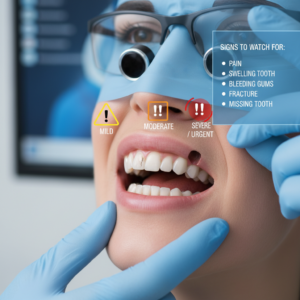
Most dental pain subsides within two weeks, but certain warning signs require prompt attention. If you notice fever, extreme swelling, or excruciating pain beyond seven days, schedule an emergency dental follow up appointment. Dry socket after an extraction often presents as intense, radiating pain around day three. Root canal flare-ups or abscess symptoms—throbbing pain, facial swelling, or difficulty swallowing—mean you should seek dental care after abscess treatment.
Even minor complications like a loose crown or chipped tooth can lead to infection. Don’t delay a follow up on chipped tooth repair or a check on your crown with after emergency crown care. Timely intervention fosters healing and minimizes the need for stronger medications later.
Planning your recovery
A structured recovery plan reduces anxiety and keeps you on track. Start by reviewing our emergency dental recovery plan, which outlines follow-up visits, medication schedules, and self-care checklists. Coordinate appointments for suture removal, post-op cleanups, and any necessary imaging. If you’ve experienced trauma, consult our aftercare for dental trauma resources to address both pain and functional recovery.
Keep a log of your pain levels, medication times, and any side effects. Share this with your dentist at each visit to refine your treatment. Having clear goals—like resuming a normal diet or returning to work without discomfort—helps you monitor progress and communicate needs effectively.
Conclusion
Choosing the right post procedure dental pain meds and following a comprehensive aftercare plan empowers you to manage pain, reduce complications, and speed your return to daily life. Start with non-opioid options, reserve opioids for breakthrough pain, and personalize your regimen based on the procedure you underwent. Combine medications with cold therapy, gentle rinses, and dietary adjustments, and stay vigilant for warning signs that call for professional follow-up. With these strategies in place, you’ll navigate recovery confidently and comfortably.