Dental implants are designed to be long lasting, with success rates of about 97% after 10 years, but problems can still occur that require urgent care [1]. When something feels wrong with an implant, you are not just dealing with discomfort. You may be facing a situation where quick emergency dental implant repair can mean the difference between saving your implant and losing it.
This guide walks you through what you need to know, in clear and practical terms, so you can make smart decisions if you ever face an implant emergency.
Understanding emergency dental implant repair
Emergency dental implant repair focuses on stabilizing, saving, or safely replacing a dental implant when something has gone wrong. While many implant issues develop slowly, others can become urgent if you suddenly have pain, swelling, loosening, or fracture of the implant or the restoration on top of it.
You might need emergency dental implant repair if you experience:
- Persistent or escalating pain after the normal healing period
- A loose or moving implant or crown
- Swelling, bleeding, or pus around the implant
- Difficulty chewing or biting on the implant side
- Sudden changes in how your teeth come together
Recognizing these situations early and seeking prompt care greatly improves your chances of a straightforward fix instead of a full implant removal and replacement [2].
Common causes of implant emergencies
Not every implant problem is an emergency, but understanding what commonly goes wrong helps you react appropriately and protect your oral health.
Infection and peri‑implantitis
Infection around an implant can occur soon after surgery or many years later. A localized infection is often called peri implant mucositis, while more advanced infection with bone loss is called peri implantitis.
Infections like peri implantitis cause inflammation, swelling, bleeding, bad breath, and sometimes pus discharge around the implant site [2]. Left untreated, this inflammation can quickly damage the bone that supports the implant and lead to implant loosening or failure [3].
Nonsurgical management can include mechanical cleaning with special titanium or steel instruments, medicated chips or gels, laser or ozone therapy, and antibiotics like metronidazole and amoxicillin when indicated [4]. In more advanced cases, flap surgery with bone grafting may be needed to thoroughly clean the area and regenerate bone around the implant [4].
Failure of osseointegration
Osseointegration is the biological process where the implant fuses with your jawbone. When this bonding fails, the implant can become loose or painful.
Osseointegration failure may be caused by factors such as poor bone quality, overheating of bone during drilling, excessive bite forces, or systemic health issues [5]. If your implant never fully integrates, it may become mobile during the healing phase or soon after the crown is placed, and usually must be removed to prevent further bone damage [6].
Mechanical overload and implant fracture
Even a well integrated implant can fail if it is overloaded. Clenching or grinding, an uneven bite, or biting on very hard objects can put too much stress on the implant, screw, or crown. Over time, this can cause screw loosening or even fracture of the implant itself.
When an implant fractures, removal is usually required to prevent infection. Trephine burs and apicoectomy style techniques can be used to remove fractured parts and sometimes place a new implant at the same time [4]. In some situations, a fractured implant may be left submerged as a “sleeping implant” if other implants provide enough support and you consent to that approach [4].
Surgical and soft tissue complications
In the first days and weeks after surgery, complications like wound opening (flap dehiscence), persistent bleeding, or soft tissue trauma can create emergencies.
Flap dehiscence can expose implant parts and disrupt healing. Small openings sometimes heal on their own, but larger exposures may require resuturing or additional tissue management to protect the implant [5]. Persistent bleeding after surgery may need careful compression, medications like tranexamic acid on gauze, or flap re elevation to identify and control the source [5].
Nerve irritation or damage
Numbness, tingling, or burning in your lips, chin, gums, or jaw after implant surgery can indicate nerve involvement. Sensory disorders are reported in a noticeable percentage of patients after lower jaw implant surgery, and although many are temporary, some can become permanent if not addressed quickly [5].
You should report any unusual sensations immediately. Prompt assessment can guide treatment options, from medication to microsurgical approaches in severe cases [6].
Signs you need emergency dental implant repair
Knowing what counts as “urgent” helps you avoid both unnecessary panic and dangerous delays. Some symptoms are expected after implant surgery, such as mild soreness or slight swelling for a few days. Others are red flags that you should not ignore.
Pain that is not getting better
Mild to moderate discomfort is normal right after surgery. What is not normal is:
- Pain that intensifies instead of improving
- Throbbing pain accompanied by fever or chills
- Pain that suddenly appears months or years after placement
Ongoing or worsening pain can signal infection, implant failure, or nerve injury and should be evaluated promptly [7].
Looseness or movement
A healthy implant should feel solid, similar to a natural tooth root. A loose dental implant post is considered a dental emergency, because it often reflects failed osseointegration or significant bone loss [2].
You may notice:
- The implant crown wiggling when you push with your tongue or finger
- A clicking sensation when chewing
- A change in the way your teeth fit together
In some cases only the crown or abutment is loose, which can often be repaired. If the entire implant moves, immediate attention is critical.
Swelling, bleeding, or pus
Some swelling and minor oozing are routine after surgery. Seek emergency dental implant repair if you notice:
- Swelling that increases after the first 48 to 72 hours
- Gums that are red, shiny, or painful to the touch
- Bleeding that will not stop with gentle pressure
- Pus or a bad taste or odor from around the implant site
These signs often point to infection or peri implantitis, which can progress quickly and damage the bone that stabilizes the implant [3].
Changes in sensation
Numbness, tingling, burning, or electric shock like pain along your lips, chin, or gums can suggest nerve irritation or compression. These symptoms can appear soon after surgery or after swelling develops at the site. Early evaluation gives you the best chance of limiting permanent nerve changes [2].
Difficulty chewing or bite changes
Subtle pressure or pain when chewing, particularly if it is new, may be an early sign that something is not right around the implant. Local tenderness, gum swelling, or shifting of the implant crown can signal early complications that respond better to conservative treatment when caught early [3].
If you notice these signs, do not simply chew on the other side and hope it passes. Getting checked promptly often means a simpler repair.
If you are uncertain whether what you are feeling is “normal,” it is always safer to call and describe your symptoms than to wait and see.
What happens during emergency implant evaluation
When you arrive for emergency dental implant repair, your dentist or specialist will focus on three questions: What is wrong, how severe is it, and what is the safest way to stabilize or correct it.
History and visual examination
You can expect detailed questions about:
- When the symptoms started and how they have changed
- Whether you recently had dental work or trauma to the area
- Your medical history and medications
- Any history of clenching, grinding, or using a nightguard
A careful exam of your mouth, gums, bite, and implant region helps identify mobility, swelling, drainage, or visible fractures.
Imaging and diagnostic tests
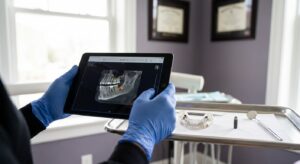
Dental x rays and sometimes 3D CT scans are used to assess the bone around the implant, check its position, and look for signs of infection, fracture, or bone loss [1]. Radiographic bone loss, widening of the implant interface, or changes in surrounding structures guide the diagnosis and treatment plan [4].
If nerve symptoms are present, imaging helps determine whether the implant or inflammation is close to the nerve canal.
Immediate stabilization
Depending on what is found, initial emergency steps might include:
- Adjusting or temporarily removing a high or broken crown
- Placing a protective temporary crown or cover
- Cleaning and disinfecting the area
- Starting antibiotics or pain control medications
- Advising you to avoid chewing on the affected side
If the implant is clearly failing and mobile, removal may be recommended promptly to prevent further bone loss and allow for better future treatment [4].
Treatment options for emergency dental implant repair
Your specific repair plan depends on the cause and extent of the problem, as well as your overall health and goals. In many cases, your dentist will start with the least invasive approach that can reliably resolve the issue.
Non‑surgical repair and infection control
If your implant is stable but surrounded by inflamed or infected tissue, nonsurgical treatment is often the first step. This can include:
- Professional cleaning of the implant surface with specialized instruments
- Local antiseptic treatment such as chlorhexidine chips or gels
- Laser decontamination or photodynamic therapy
- Local or systemic antibiotics when appropriate [4]
When infection is caught early, these measures, combined with improved home care, can sometimes stabilize the implant without removal [3].
Managing peri‑implantitis surgically
In more advanced peri implantitis with significant bone loss, flap surgery may be recommended. The gum is gently lifted to allow full access to the implant surface for cleaning and decontamination. Bone grafts, often covered with a membrane, can then be placed to encourage bone regeneration and re osseointegration of the implant [4].
Although this is more involved than nonsurgical care, it can sometimes save an implant that would otherwise be lost.
Implant removal and site preservation
If your implant is loose, fractured, or not salvageable, careful removal is usually the safest choice. Techniques such as the counter torque ratchet technique, reverse screw technique, or piezoelectric instruments are used to remove the implant while preserving as much bone as possible [4].
After removal, your dentist may:
- Debride and disinfect the site
- Place bone graft material to maintain ridge volume
- Allow healing before considering a new implant
- Discuss alternative replacement options
In some immediate rescue situations, a new implant can be placed at the same visit if there is enough healthy bone and no active infection, but this is determined case by case.
Restoring function and appearance
Once the implant site is stabilized, your dentist will plan to restore your function and appearance as quickly as is safely possible. Depending on the situation, options may include:
- A new implant after healing
- A bridge or partial denture as an alternative to another implant [1]
- Temporary solutions for urgent smile concerns, similar to what you might see in emergency cosmetic dental repair or urgent smile repair
If you have experienced trauma or need an immediate solution for a front tooth, you may also want to explore services such as urgent aesthetic dental fix or esthetic emergency dental care to address both function and appearance while you heal.
Your role in an implant emergency
While your dental team handles the technical side of emergency dental implant repair, you play a key role in protecting your implant and overall health.
What to do right away
If you suspect an implant emergency:
- Avoid chewing or biting on the affected side
- Do not attempt to tighten or remove anything yourself
- Rinse gently with warm salt water if recommended
- Apply a cold compress on the outside of your face for swelling
- Call an emergency dentist and clearly state that you have an implant issue
These steps align with general recommendations for emergency implant situations, including avoiding pressure on the area, using cold compresses, and keeping the region clean until you receive care [8].
Sedation and anxiety support
Implant emergencies can feel overwhelming, especially if you are already anxious about dental care. If fear has kept you from regular visits in the past, ask about sedation options that can make emergency treatment more comfortable.
Clinics that offer sedation emergency dental care or work as an emergency sedation dentist can use nitrous oxide, oral sedation, or IV sedation to help you relax during treatment. You can also look into sedation for anxious emergency patient and sedation assisted emergency care if you know that anxiety is a barrier to getting the help you need.
Special considerations for children and seniors
If the emergency involves a younger or older family member, your approach may need to be adapted.
Children rarely have implants, but they can experience traumatic injuries that affect developing teeth and future implant sites. If your child has dental trauma, resources like child friendly emergency dentistry, child dental trauma emergency, or trauma repair for children can help you find appropriate, age sensitive care. If you are in a specific area, such as Baltimore, seeking a pediatric emergency dentist baltimore ensures specialized support.
Older adults with implants may also have unique needs, including medical conditions and medications that affect healing. Practices that focus on emergency dentistry for seniors can coordinate care with physicians and tailor treatment to your overall health.
Protecting other dental work
Implant emergencies are often part of a broader picture of dental health. If you have veneers, bridges, or orthodontic appliances, you may also need additional urgent repairs, such as:
- Emergency veneer repair
- Emergency temporary bridge repair
- Emergency orthodontic repair
- Cosmetic repair after injury
Coordinating these services helps restore your entire bite and smile, not just the single implant.
Preventing future emergencies
While you cannot eliminate every risk, you can significantly reduce the chances of needing emergency dental implant repair by focusing on prevention.
Daily care and professional maintenance
Meticulous hygiene and regular checkups are essential. This includes:
- Brushing twice daily with a soft brush
- Cleaning around implants with floss, interdental brushes, or water flossers
- Attending routine professional cleanings and examinations
These habits help prevent plaque build up, gum disease, and peri implantitis, which are leading causes of late implant failure [3].
Protecting implants from stress
If you grind or clench your teeth, using a nightguard can reduce excessive forces on your implants. Avoid chewing ice, hard candies, or non food items, and be cautious with very sticky foods that may stress restorations [7].
For some individuals, especially those with multiple cosmetic restorations, having an established relationship with a practice that offers emergency implant support and urgent smile repair can provide peace of mind if issues arise.
Managing overall health
Conditions like uncontrolled diabetes, smoking, or immune disorders can impair healing and increase infection risk. Working with your medical team to manage these conditions and stopping smoking before and after implant surgery can significantly reduce complications [6].
Infection prevention strategies, such as careful surgical protocols, chlorhexidine rinses, and appropriate antibiotic use when indicated, are part of your provider’s role in minimizing risk [5].
When to seek help and what to expect
If you have persistent pain, new swelling, loosening, unusual sensations, or changes in how your implant feels, it is time to call for an evaluation. Prompt attention increases the chance that cleaning, bite adjustment, or focused infection control will be enough, rather than needing full implant removal and replacement [9].
By understanding how emergency dental implant repair works, and by knowing where to go for specialized services, including sedation support and aesthetic repairs, you put yourself in the best position to protect your health, comfort, and smile both now and in the future.