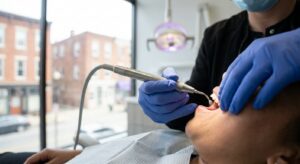
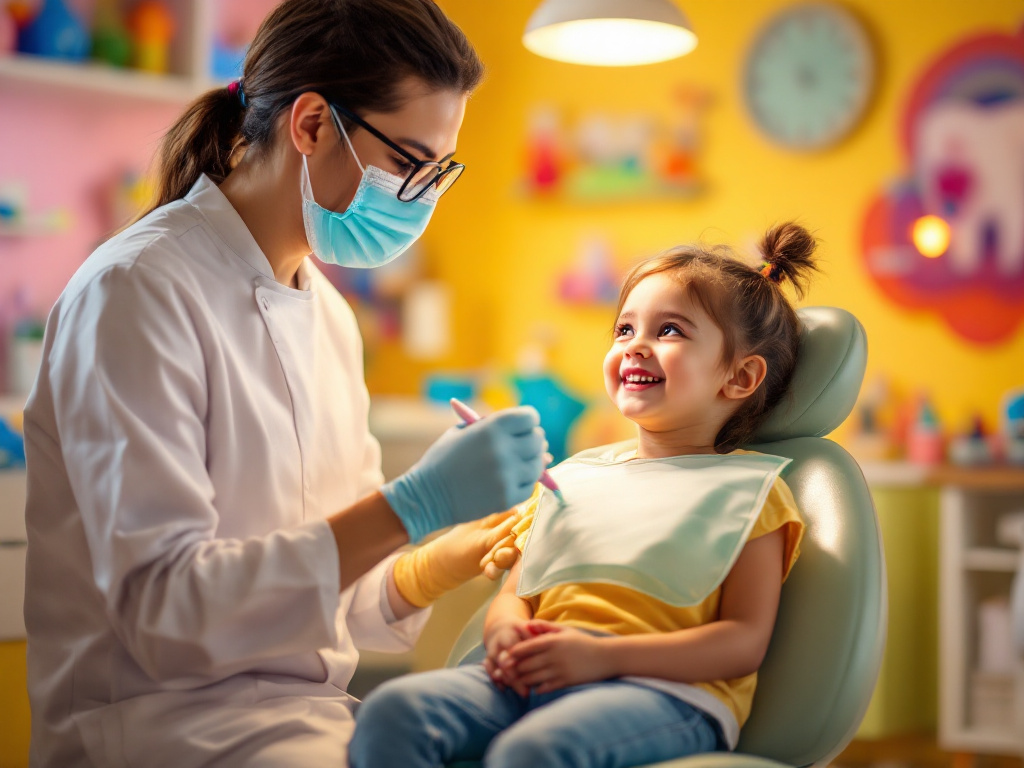
Child friendly emergency dentistry gives you a way to protect your child’s smile when something goes wrong without warning. Instead of trying to adapt adult-focused care, child friendly emergency dentistry is built from the ground up around kids’ needs, emotions, and safety. In a true emergency, that difference can protect both your child’s teeth and their long‑term trust in dental care.
In this guide, you will learn how child friendly emergency dentistry works, which emergencies need urgent care, and how specialized services like trauma repair and sedation support your child in stressful moments.
Understanding child friendly emergency dentistry
Child friendly emergency dentistry focuses on urgent dental problems in children, treated with equipment, protocols, and communication tailored to kids. This approach recognizes that children are not just “small adults.” Their teeth, jaws, and nervous systems are still developing, and their emotional needs in a crisis are very different from yours.
Research in pediatric dentistry highlights that medical emergencies in children require adapted protocols because of differences in anatomy, physiology, and emotional maturity, including age‑appropriate equipment, adjusted medication doses, and modified resuscitation techniques [1]. In an emergency dental setting, that translates into child sized tools, careful dosing, and teams trained to recognize pediatric specific warning signs quickly.
A child friendly emergency dentist also understands how frightening pain, blood, or a knocked‑out tooth can be for a child. Communication is slower, calmer, and more reassuring. The goal is to solve the problem and also prevent the experience from creating long‑term dental anxiety.
Common pediatric dental emergencies
Not every dental problem is an emergency, but some issues need urgent attention to protect your child’s health and smile. Emergency pediatric dentistry focuses on addressing urgent dental problems in children quickly and effectively to protect comfort and prevent complications [2].
Knocked out or displaced teeth
A knocked out permanent tooth is one of the few true “race against the clock” dental emergencies. Prompt action in the first hour is crucial for saving a knocked out permanent tooth in children, and you should call a trusted pediatric dentist immediately [3]. Many child focused practices give specific instructions, such as handling only the crown of the tooth, gently rinsing with water, and placing it in milk while you travel for care [4].
Your child might also have a tooth that is pushed out of position, partially dislodged, or suddenly loose after trauma. Pediatric emergency offices treat these situations with careful examination, digital x‑rays, and stabilization techniques similar to splinting. Practices like Sky Kids Pediatric Dentist in NYC use digital x‑rays designed for children to evaluate chipped, cracked, or displaced teeth and plan appropriate treatment [5].
If your child has experienced a significant blow to the mouth, you can review more focused information on a child dental trauma emergency and trauma repair for children so that you know what to do before you reach the office.
Cracked, chipped, or broken teeth
Cracked or chipped teeth in children often occur due to sports, falls, or accidents. Knowing what to do immediately can reduce pain and prevent further damage [3]. In a child friendly emergency setting, the team will:
- Assess whether the damage affects baby or permanent teeth
- Use child sized x‑ray sensors to check for hidden cracks or root fractures
- Smooth sharp edges or place protective materials to prevent tongue or cheek injury
- Plan cosmetic repair that respects your child’s stage of growth
If appearance is a concern, especially for front teeth, a clinic that offers emergency cosmetic dental repair, cosmetic repair after injury, or broader esthetic emergency dental care can help restore your child’s smile in a way that looks natural now and will age well as your child grows.
Toothaches and infections
Continuous dental pain in children often signals an underlying issue that needs professional evaluation to prevent it from worsening [3]. Causes can include deep cavities, cracked teeth, or gum infections. An abscess, which is an infection around the tooth or in the gum, can become serious if untreated and requires prompt professional care to prevent complications [3].
Child focused emergency dentists adapt medications and local anesthetics by weight and age, as recommended in pediatric emergency literature, so treatment is both effective and safe [1]. Many practices offer extended or same‑day appointments so your child does not have to endure severe pain overnight [6].
Soft tissue injuries and bleeding
Bites to the lip or tongue, falls that split the gum, or foreign objects wedged between teeth can lead to dramatic looking bleeding and swelling. Practices like Celona Children’s Dentistry and Temecula Kids Dental Care advise you to gently clean with water, apply a cold compress, and call the office for guidance on whether your child needs to be seen immediately [7].
Bleeding gums can also result from injury, irritation, or early gum disease. Child friendly emergency dentists look beyond the immediate bleeding to identify the cause, teach gentle home care techniques, and adjust treatment to your child’s comfort level [3].
How child friendly emergency teams support kids
The most important feature of child friendly emergency dentistry is not just what is done, but how it is done. The environment, communication style, and clinical protocols all work together to keep your child safe and calm.
Specialized pediatric training and protocols
Pediatric emergency dentistry relies on protocols that are adapted from adult medicine to meet children’s unique needs. The 2016 review from the University of Zagreb highlighted that life threatening emergencies such as allergic reactions, syncope, hypoglycemia, asthma attacks, and cardiac arrest must be managed with pediatric specific equipment sizes, drug doses, and modified CPR [1].
Applied to a dental office, that means your child’s emergency team is prepared with:
- Child sized masks and oropharyngeal airways
- Defibrillators configured for pediatric use
- Medication doses calculated by weight, for example, 0.01 ml/kg adrenaline for anaphylaxis when indicated [1]
- Modified positioning and resuscitation techniques tailored to smaller bodies
This level of preparation is especially important for children with medical conditions, asthma, allergies, or special healthcare needs. Comprehensive pediatric centers, such as the Division of Pediatric Dentistry at Ann & Robert H. Lurie Children’s Hospital of Chicago, emphasize collaboration with other medical specialties so that oral and overall health care are integrated [8].
A calm, child centered environment
During a dental emergency, your reaction sets the tone for your child. Pediatric specialists encourage you to remain as calm and reassuring as possible, since your demeanor helps your child feel safer and more cooperative [2].
Child friendly offices support you in this by creating environments that look and feel different from adult clinics. Practices focused on pediatric emergencies often feature:
- Kid sized chairs and equipment
- Child appropriate language to explain what is happening
- Distraction tools such as television, toys, or guided breathing
- Staff trained in behavior management and communication with anxious children
In cities like Tampa, emergency pediatric dentists are encouraged to maintain child centered waiting areas and tools designed to soothe fearful children, which is particularly important in urgent situations [9].
Sedation for anxious or special needs children
In some emergencies, your child may be too anxious, young, or medically complex to tolerate treatment while fully awake. In those situations, carefully planned sedation or anesthesia can be an important part of child friendly emergency dentistry.
Hospitals such as Lurie Children’s operate dedicated sedation clinics and are equipped to safely administer general anesthesia or other forms of sedation for children with severe anxiety, disabilities, or medical conditions [8]. In community settings, you might choose an office that offers sedation emergency dental care, a dedicated emergency sedation dentist, or sedation assisted emergency care.
If you or your child are particularly nervous about urgent procedures, clinics that provide sedation for anxious emergency patient services can make the experience far more manageable. These teams will review your child’s health history, explain sedation options clearly, and monitor your child closely before, during, and after treatment.
In the right hands, sedation is not about “knocking a child out.” It is a carefully controlled tool that helps your child receive essential treatment safely and with less psychological trauma.
Protecting the appearance of your child’s smile
After a dental emergency, you probably worry as much about how your child’s teeth will look as you do about pain relief. Child friendly emergency dentists understand that preserving a confident smile is part of protecting your child’s overall wellbeing.
Cosmetic and esthetic emergency repairs
Emergency cosmetic care for children must account for both growth and appearance. An approach that looks good today but ignores how your child’s jaw and teeth will change can create problems later. Clinics that provide emergency cosmetic dental repair and esthetic emergency dental care usually focus on:
- Minimally invasive bonding to rebuild chipped edges
- Shaping or smoothing minor fractures so they blend with surrounding teeth
- Using materials that can be adjusted as your child grows
If trauma affects multiple front teeth or the surrounding gums and lips, broader services like urgent smile repair or cosmetic repair after injury may be used in stages. The first step stabilizes and protects, and later visits refine the appearance as healing progresses.
Orthodontic and appliance related emergencies
Children in braces or other orthodontic appliances can experience urgent problems such as poking wires, loose brackets, or lost retainers after trauma. While these issues are usually not life threatening, they can be painful and can affect tooth movement if ignored.
Many child friendly emergency clinics coordinate with or provide emergency orthodontic repair so that wires, brackets, and clear aligners are safely adjusted. If your child wears temporary restorations, such as bridges or cosmetic shells, you might also need services like emergency temporary bridge repair or emergency veneer repair as your child matures into late adolescence.
Planning ahead for pediatric emergencies
You cannot predict exactly when an emergency will happen, but you can make it easier to respond quickly when it does. Caregivers are encouraged to plan ahead and identify a trusted emergency pediatric dentist instead of scrambling in the middle of a crisis [10].
How to choose a child friendly emergency dentist
When you look for a pediatric emergency provider, consider:
- Whether the office clearly states that it treats children on an emergency basis
- Training in pediatric dentistry and experience with urgent care
- Availability of after hours or weekend coverage and an on call number [9]
- Sedation options for anxious or special needs children
- Insurance participation and payment flexibility
Not all emergency dentists treat minors, so it is important to confirm that children are specifically accepted [10]. The American Association of Pediatric Dentists maintains an online directory of qualified pediatric dentists, which many families use to locate certified providers in their area [10].
If you are in a region with dedicated pediatric emergency options, you might look for a local specialist such as a pediatric emergency dentist baltimore. In other areas, pediatric groups like the Pediatric Dental Group of New York serve multiple communities with offices in different cities and flexible scheduling for emergencies [2].
Keeping contact details and instructions handy
Once you have chosen an emergency pediatric dentist, store their contact information in your phone, on your refrigerator, and in your child’s school or camp records. Pediatric emergency specialists recommend keeping contact information readily accessible so you can act quickly when problems occur [2].
It is also helpful to:
- Ask for written instructions on what to do for common emergencies, such as knocked out teeth, severe toothaches, or lip bites
- Clarify which hospital or urgent care center to use after hours if the dental office is closed
- Discuss sedation options in advance if your child has a history of anxiety or special needs
If your own care involves advanced restorative work, you might already be familiar with services like emergency dental implant repair or emergency implant support. The same principle of having a plan in place applies to your child, even though their specific emergencies will differ from those of adults or seniors who might need emergency dentistry for seniors.
Preventing future dental emergencies in children
You cannot prevent every fall or accident, but you can significantly reduce the risk of serious dental injuries. Many pediatric practices emphasize prevention alongside emergency readiness. For example, Celona Children’s Dentistry and Temecula Kids Dental Care recommend child‑proofing your home, avoiding very hard foods, using car seats and seat belts properly, and scheduling regular dental checkups to catch problems early [7].
Sport related injuries are a major cause of dental trauma. Clinics like Sky Kids Pediatric Dentist in NYC provide custom sport mouthguards to help protect children’s teeth, especially in contact sports [5]. A custom fitted mouthguard is more comfortable and more effective than a generic version, so your child is more likely to actually wear it.
You also play a crucial role by teaching your child:
- Not to use teeth to open packages or bottles
- To avoid chewing ice, pens, or very hard candy
- To tell you quickly about any tooth pain so problems are treated early
If your child does experience an emergency despite these precautions, knowing that you have access to child friendly emergency dentistry, including options like sedated tooth extraction emergency or urgent aesthetic dental fix when needed, can make a very difficult moment feel more manageable.
Child friendly emergency dentistry is about more than fixing a single problem. It is about protecting your child’s smile, health, and confidence for years to come. By choosing a pediatric focused emergency provider, planning ahead, and understanding how specialized services such as trauma repair, cosmetic restoration, and sedation work, you put yourself in the best position to respond calmly when your child needs you most.